
California Governor Gavin Newsom currently faces a complex intersection of federal scrutiny and political friction, as ongoing Department of Justice (DOJ) interest in state-level activities coincides with his vocal opposition to the incoming Trump administration. While no direct charges have been filed against the Governor, the federal spotlight has repeatedly turned toward his inner circle and past administrative practices, raising questions about the potential for future legal challenges as his national political profile grows.
The federal government’s interest in California’s executive branch has been characterized by several distinct lines of inquiry. Most notably, the legal troubles of former top aides have created a persistent backdrop to the Governor’s term. According to Department of Justice records, several former associates have faced federal prosecution for corruption and bribery, though these cases have generally focused on specific departmental failures rather than the Governor himself.
The governor’s office has consistently maintained that these investigations are either closed or unrelated to his personal conduct. However, the political environment remains volatile as Newsom attempts to position California as a primary legislative bulwark against federal policy shifts under the returning Trump administration, a strategy that observers note carries significant legal and political risk.
Federal Scrutiny and Administrative History
The core of the current federal interest often traces back to the tenure of former aides who operated within the administration. In one high-profile instance, a former chief of staff to the governor’s office—though not Newsom’s personal chief of staff—was embroiled in a bribery scandal that resulted in a prison sentence for corruption. This case, prosecuted by the U.S. Attorney’s Office for the Eastern District of California, involved the misuse of public office to secure contracts, highlighting vulnerabilities in the state’s oversight mechanisms.

Separately, the Department of Justice has previously scrutinized the activities of the California Partners Project, a non-profit founded by the First Partner, Jennifer Siebel Newsom. While the organization has stated it operates in full compliance with state and federal laws, the nature of its funding and its relationship to the Governor’s office have been subjects of public and legal debate. As reported by CNN, the inquiry examined whether state resources were improperly used to support the non-profit’s activities, though no formal charges have emerged from these specific lines of questioning.
Political Strategy Amidst Federal Pressure
Gavin Newsom has increasingly leaned into a strategy of direct confrontation with the federal government, particularly regarding environmental regulations, immigration, and reproductive rights. This approach serves two purposes: it solidifies his standing with the progressive wing of the Democratic Party and provides a clear contrast to federal policies he opposes. According to the Wall Street Journal, this adversarial stance is viewed by some analysts as a double-edged sword, potentially inviting further federal oversight or retaliatory legal actions from a newly aligned Department of Justice.
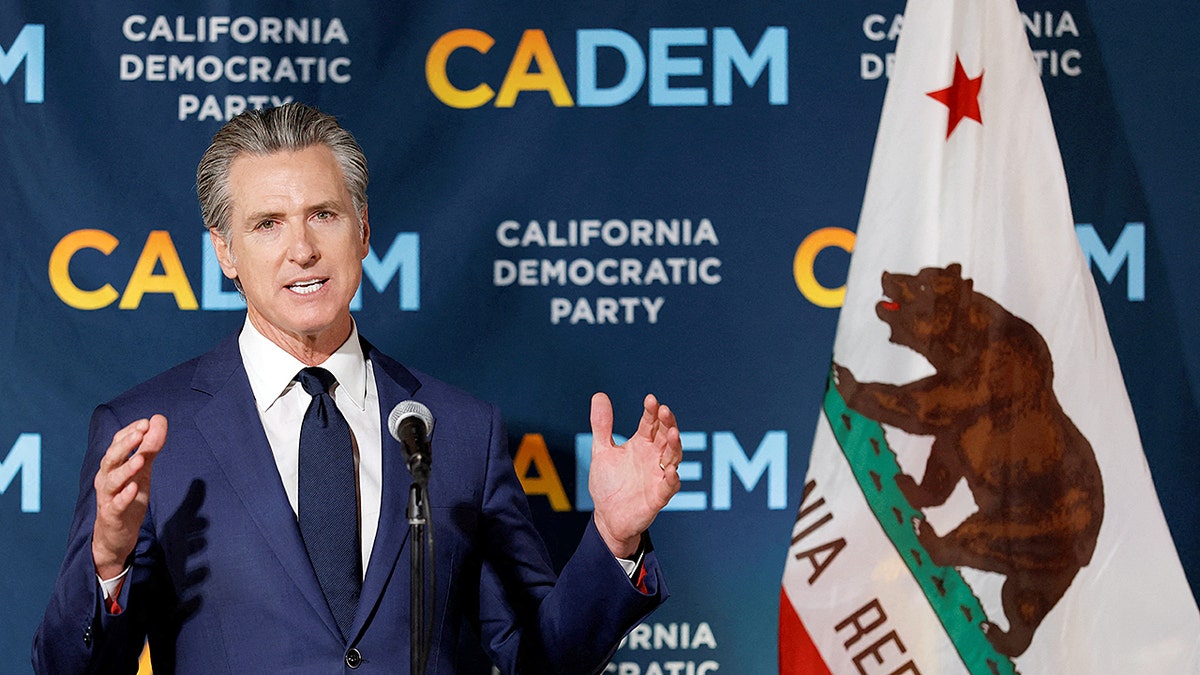
The potential for a “weaponized” DOJ, a term frequently used by political commentators and some legal scholars, remains a central concern for the administration. As outlined in analysis by The Bulwark, the risk for a state governor in this climate is that federal investigative powers could be utilized to pressure or distract from regional policy goals. Newsom’s team has historically responded to these pressures by emphasizing the transparency of the Governor’s financial disclosures and the independence of state agencies.
Comparing Administrative Risks
The current situation presents a contrast to past gubernatorial challenges in California. Unlike previous administrations that faced narrow, issue-specific investigations, the current atmosphere is defined by a broader ideological conflict. While the Governor’s office argues that these inquiries are remnants of past, resolved issues, critics point to the frequency of federal audits and investigations as evidence of a systemic problem.
| Area of Inquiry | Status/Outcome | Primary Source |
|---|---|---|
| Bribery Schemes | Convictions secured against former officials | U.S. Attorney’s Office (EDCA) |
| First Partner Non-Profit | Inquiry into state resource usage | Reported via CNN |
| Federal Policy Conflicts | Ongoing litigation and legislative friction | Department of Justice/State of CA |
What Happens Next
The next major checkpoint in this ongoing dynamic will be the state’s legislative session, where the administration is expected to introduce further measures to shield state policies from federal intervention. The Governor’s office has indicated it will continue to cooperate with any legitimate federal requests while aggressively challenging what it deems to be politically motivated overreach.
Legal experts suggest that the most immediate risk to the administration is not a direct indictment, but rather a protracted series of document requests and subpoenas that could consume administrative resources. For the public, the most reliable way to monitor these developments is through the Department of Justice press center, which releases updates on all federal investigations and prosecutions. The situation remains fluid, and readers are encouraged to share their thoughts or follow our continued coverage of California’s political and legal developments as they unfold.
Related reading