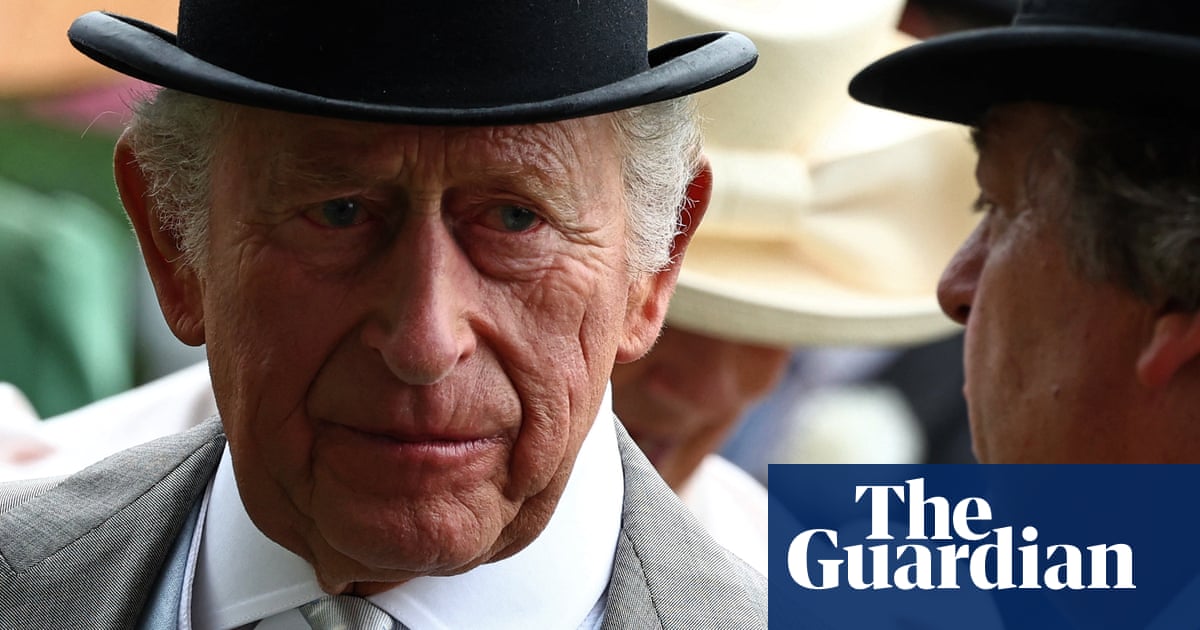
King Charles III will become the first British head of state to publish his personal tax bill, a move Buckingham Palace says is designed to increase the clarity and accessibility of the monarchy’s finances. The 77-year-old monarch will disclose these details through a new report aimed at enhancing transparency regarding how the royal household manages its wealth and public obligations.
According to a statement from Buckingham Palace, the decision to release the King’s personal tax information is part of a strategic effort to provide the public with a more direct understanding of royal finances. This initiative marks a departure from previous royal protocols, where personal tax details remained private, though the monarch has historically paid voluntary income tax on certain private earnings.
How will King Charles III disclose his personal tax details?
The disclosure will not be a single standalone document but rather a component of a new, comprehensive report produced by the royal household. Buckingham Palace confirmed that this report is intended to streamline the way financial information is presented to the public, making it easier to distinguish between state-funded expenditures and the King’s private wealth.
While the specific format of the upcoming report has not been released, the palace indicated that the primary goal is to improve the “clarity and accessibility” of the monarchy’s financial standing. This move comes as the royal family seeks to modernize its institutional operations under the new reign.
The mechanics of royal finance: Sovereign Grant versus private income
To understand the significance of the King’s tax disclosure, it is necessary to distinguish between the two primary streams of funding that support the monarchy: the Sovereign Grant and private estates like the Duchy of Lancaster.
The Sovereign Grant
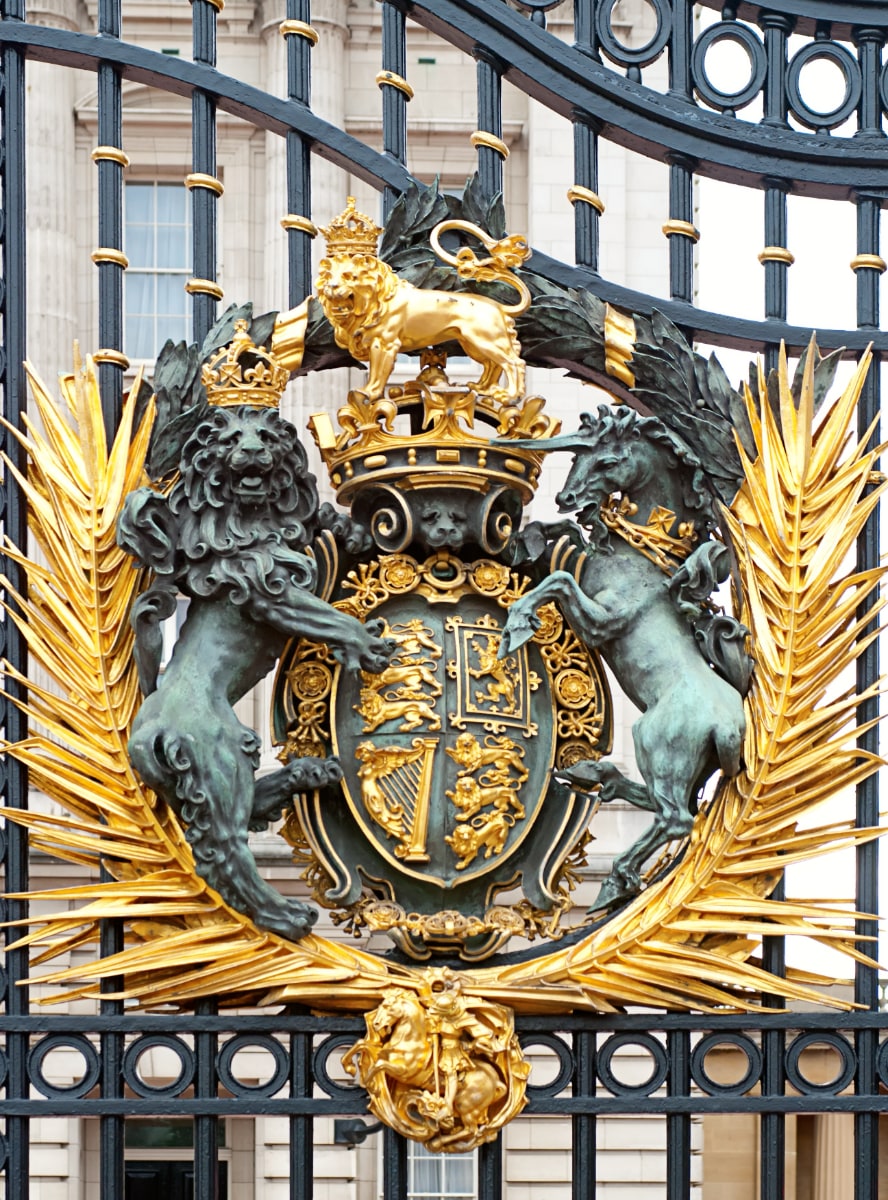
The Sovereign Grant is the official funding mechanism provided by the UK government to support the monarch’s official duties and the upkeep of occupied royal palaces. This grant is calculated based on a percentage of the profits from the Crown Estate. It is important to note that the Crown Estate is not the private property of the King; it is a statutory corporation whose revenues are surrendered to the UK Treasury, which then redistributes a portion back to the monarchy via the grant. The Crown Estate manages this portfolio, which includes vast amounts of land and seabed across the United Kingdom.
Private income and the Duchy of Lancaster
In contrast to the Sovereign Grant, the King maintains private sources of income, most notably through the Duchy of Lancaster. The Duchy is a private estate held in trust for the Sovereign, providing an income that is used to fund the monarch’s private expenses. Since the accession of Queen Elizabeth II, and continuing with King Charles III, the monarch has voluntarily paid income tax on the profits derived from the Duchy of Lancaster. The upcoming publication of the King’s tax bill will provide the first official public record of the exact amount paid under this voluntary arrangement.
The following table outlines the fundamental differences between these two financial pillars:
| Feature | Sovereign Grant | Private Income (Duchy of Lancaster) |
|---|---|---|
| Primary Purpose | Supports official state duties and palace maintenance. | Supports the monarch’s private life and expenses. |
| Funding Source | A percentage of Crown Estate profits. | Revenue from the Duchy of Lancaster estates. |
| Public Oversight | Subject to National Audit Office scrutiny. | Privately managed, though tax is voluntarily paid. |
| Tax Status | Publicly funded via government mechanism. | Subject to voluntary personal income tax. |
Why is the monarchy increasing financial transparency now?
Analysts suggest that the move toward greater financial disclosure is a response to evolving public expectations regarding the accountability of state institutions. By publishing his personal tax bill, King Charles III is positioning the monarchy to operate with a higher level of openness, which may help mitigate long-standing debates regarding the economic role of the Crown in a modern democracy.
The decision also aligns with a broader trend in global governance where heads of state face increased pressure to demonstrate fiscal responsibility. By providing a clear report, the Palace aims to reduce ambiguity surrounding how much of the royal household’s wealth is derived from public funds versus private inheritance and land management.
What are the implications for the future of the British monarchy?
The introduction of this new reporting standard could set a precedent for other members of the Royal Family. If the King’s personal tax disclosure is viewed favorably by the public and Parliament, it may lead to similar transparency requirements for the Prince of Wales or other senior royals regarding their private estates.
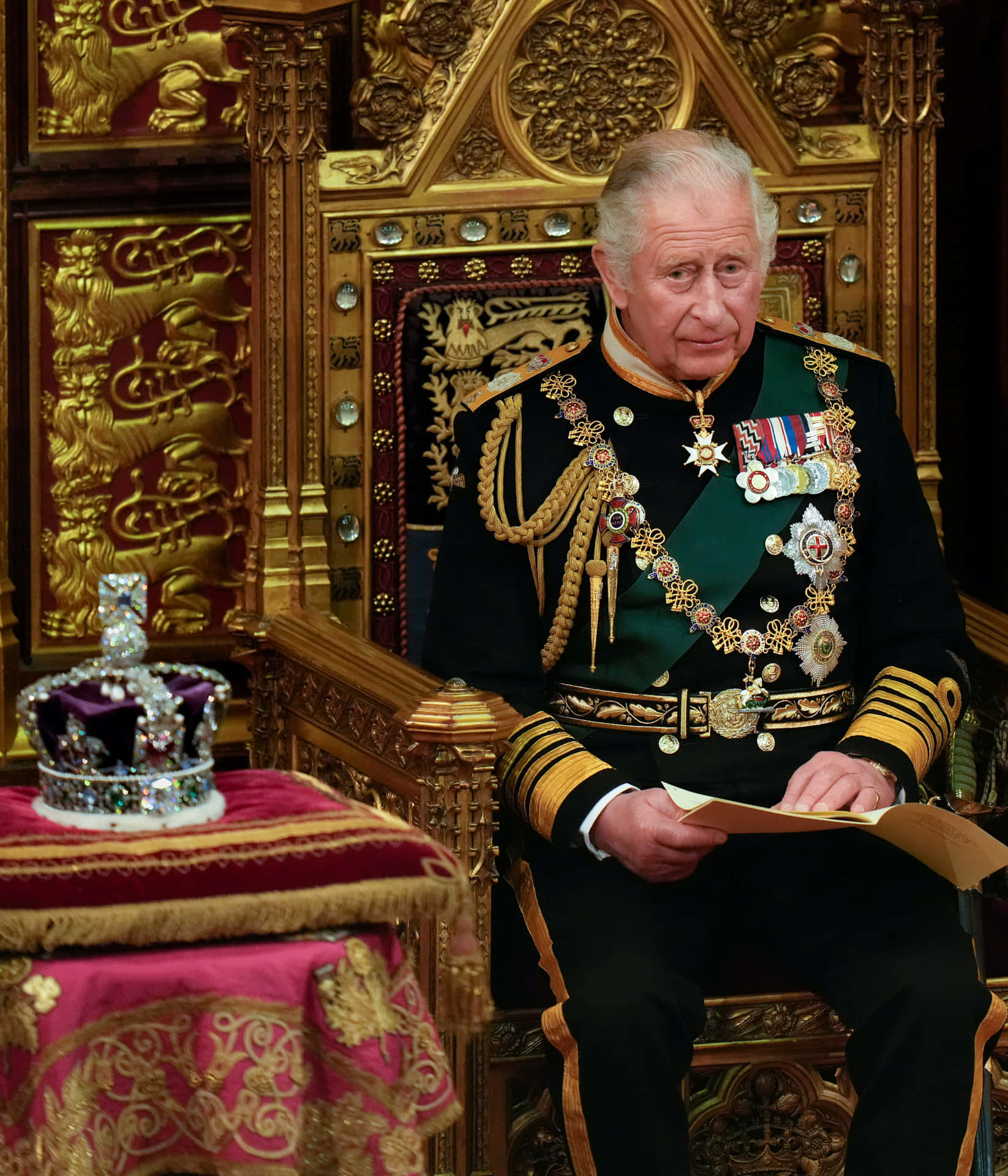
Furthermore, this move may influence how the Sovereign Grant is debated in Parliament. With more granular data available regarding the distinction between private and public funds, lawmakers may have a clearer framework when reviewing the annual grant allocations and the economic efficiency of the royal household.
Frequently Asked Questions
- Is the King’s tax payment mandatory?
While the King is not legally required to pay income tax on the profits from the Duchy of Lancaster, he has maintained a policy of voluntary tax payments since the reign of Queen Elizabeth II. - Does the Sovereign Grant go directly to the King’s pocket?
No. The Sovereign Grant is used to fund official royal duties, state visits, and the maintenance of various royal residences that are open to the public. - When will the first report be available?
Buckingham Palace has not yet announced a specific date for the release of the new report, but it is expected to be part of the upcoming financial cycle.
The next major financial update regarding the monarchy will be the release of the official Sovereign Grant annual report, which details the previous year’s expenditures and the funding levels set by the Treasury. Information regarding these reports is typically made available through the Cabinet Office and the National Audit Office.
What are your thoughts on this move toward royal financial transparency? Let us know in the comments below and share this article with your network.