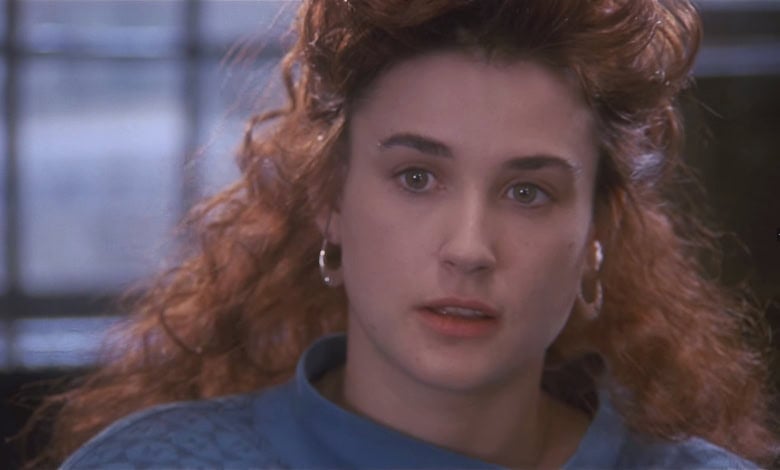
Bruce Willis’ portrayal of the volatile Jimmy in the 1991 thriller Mortal Thoughts remains a defining, if often overlooked, chapter in the actor’s extensive filmography. Directed by Alan Rudolph, the film serves as a grim, modern-day noir that highlights a departure from the blockbuster roles Willis was known for at the time. While the project received a mixed critical reception upon its release, it has gained a reputation as a significant showcase for Willis’ range, often cited by the actor himself as one of his most challenging and rewarding professional experiences.
As an entertainment journalist who has covered the industry for over 15 years, I often look back at projects where A-list stars intentionally pivoted toward darker, character-driven narratives. Mortal Thoughts is a prime example of this transition. For Demi Moore, who starred in and produced the film, it represented a creative choice to move beyond the commercial safety of her previous hits. The film features Moore and Glenne Headley as two friends whose lives unravel following the murder of Jimmy, Joyce’s abusive and self-destructive husband.
A Departure from Blockbuster Norms
Released on April 19, 1991, Mortal Thoughts arrived shortly after the massive success of Moore’s 1990 film Ghost. Rather than opting for another high-budget studio project, Moore chose to produce this intense, New Jersey-based thriller. According to a 2012 interview with Roger Ebert, Moore noted that the film was never designed for mass-market box office dominance, stating, “We never set out to sell tremendous amounts of tickets; it wasn’t that kind of movie.” The production instead prioritized a gritty, claustrophobic atmosphere that explored the psychological toll of living with a violent partner.
The film’s narrative structure relies heavily on flashbacks, with Harvey Keitel portraying a detective who interrogates the suspects. This investigative framing device forces the audience to reconcile the inconsistent accounts provided by the characters. The screenplay, written by William Reilly and Claude Kerven, focuses on the frantic, often messy reality of ordinary people attempting to conceal a crime. This approach creates a sense of dread, as the characters find themselves trapped by their own decisions in a story famously devoid of traditional Hollywood “uplift.”
Evaluating the Performances
The strength of Mortal Thoughts lies primarily in the commitment of its cast. Bruce Willis’ performance as Jimmy is frequently analyzed for its raw, unvarnished intensity. Unlike many of his action-oriented roles, Jimmy is portrayed as a character who is cruel and irredeemable. In later years, Willis frequently identified this project as a high point in his career, suggesting that the complexity of playing such an antagonistic figure allowed him to test his boundaries as a performer.
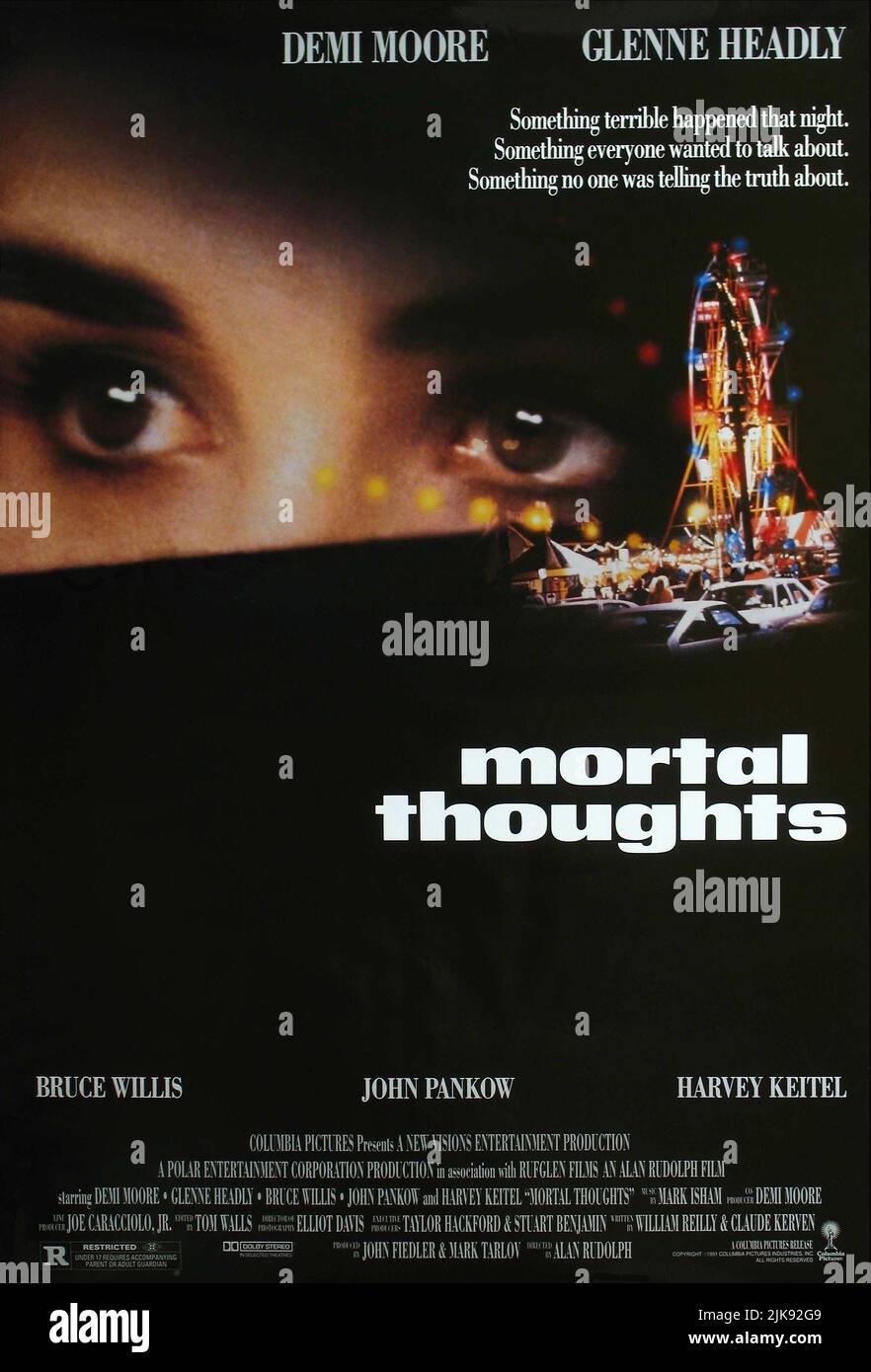
Glenne Headley’s role as Joyce is equally vital to the film’s impact. She brings a nuanced, sympathetic quality to a character who is often pushed to the brink by her circumstances. The chemistry between Moore and Willis—who were married at the time—adds an additional layer of tension to the screen. Their ability to portray such a dysfunctional and destructive relationship required a level of professional bravery that elevates the material beyond the standard tropes of the thriller genre.
Directorial Style and Atmosphere
Alan Rudolph, known for his unique stylistic choices, brought a distinct, moody aesthetic to the film. Critics have noted that the use of slow-motion sequences and the score by Mark Isham contribute to a heightened, almost surreal, noir atmosphere. While some contemporary reviews argued that the direction was occasionally heavy-handed, the film remains a notable entry in Rudolph’s body of work, which also includes the 2003 film The Secret Lives of Dentists.
The film succeeds when it allows the tension between the actors to dictate the pace. The “anti-love story” at the heart of the movie serves as a warning about the consequences of impulsive decisions and the dangers of volatile partnerships. For viewers who enjoy character-focused noir, Mortal Thoughts offers a compelling, if dark, experience that stands apart from the typical studio fare of the early 1990s.
Is It the Career-Best?
Whether Mortal Thoughts qualifies as Bruce Willis’ absolute best performance is subjective, but it is undeniably one of his most underrated. The film captures a moment in time when a major movie star was willing to take significant risks to explore the darker side of the human condition. For fans of Moore, Willis, and Headley, the film remains an essential watch—a haunting, moody piece of cinema that continues to resonate decades after its debut.
For those interested in exploring the film, it is widely available through various digital platforms and physical media catalogs. As with many cult classics of the 1990s, the film’s reputation continues to grow as new audiences discover its unique blend of noir sensibilities and intense, character-driven drama. We invite readers to share their thoughts on Willis’ performance in the comments section below.
Worth a look