
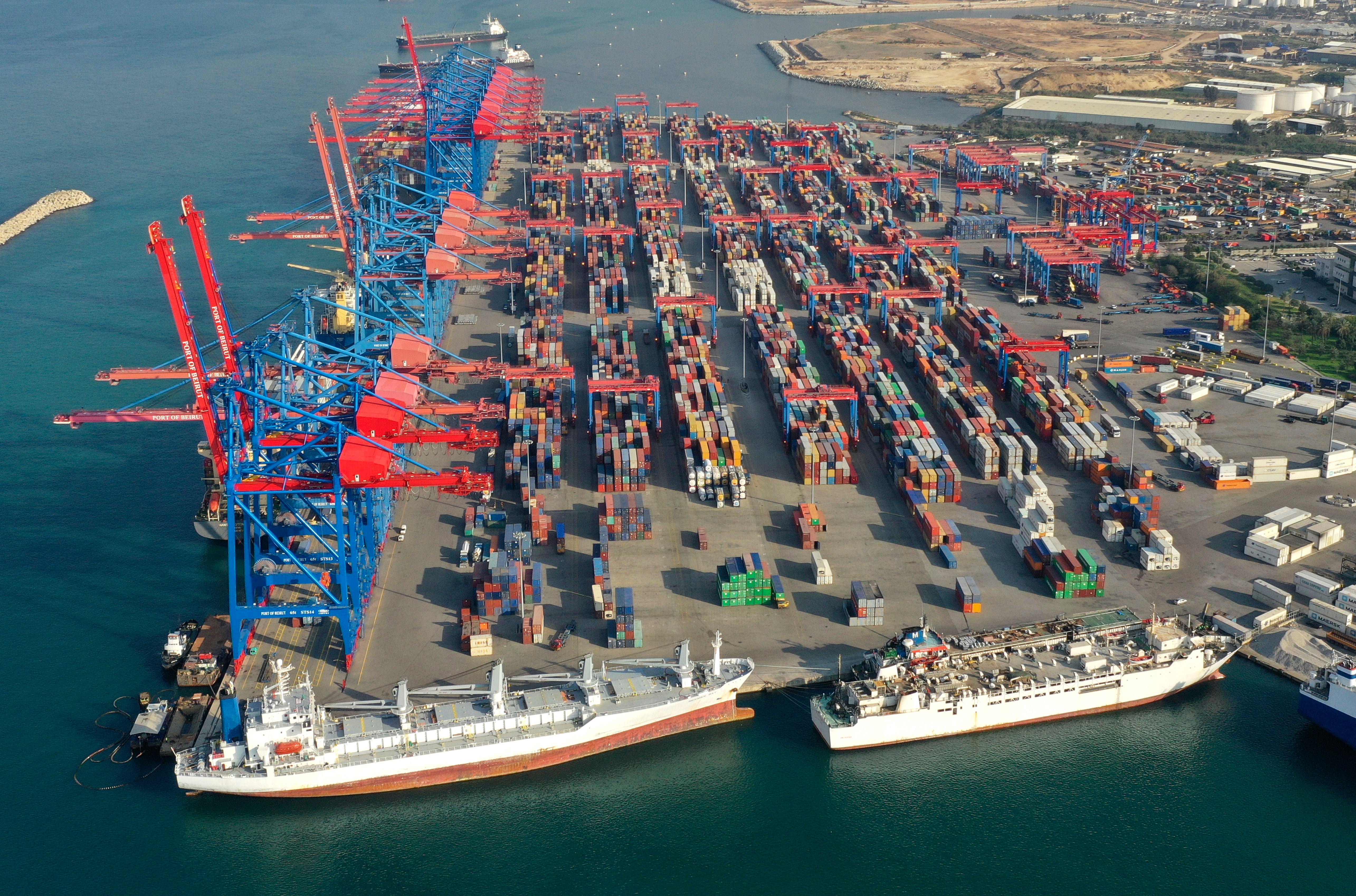
Lebanon officially resumed its export operations to the Kingdom of Saudi Arabia this week, marking a significant step in the restoration of trade relations between the two nations. The first shipment of Lebanese goods departed from the Port of Beirut, destined for the Jeddah Islamic Port, following the formal inspection and clearance procedures supervised by diplomatic and customs officials. This development follows a period of restricted commercial movement between the two countries, which had been impacted by broader regional diplomatic tensions.
The resumption of these exports was formally observed by the Saudi Ambassador to Lebanon, Walid Bukhari, who attended the loading ceremony at the Port of Beirut. According to the Saudi Press Agency (SPA), the reopening of this trade corridor is part of a broader effort to facilitate the movement of agricultural and industrial goods from Lebanon to Saudi markets. The process involves rigorous safety and quality control measures, which are essential for meeting the regulatory standards required for entry into the Kingdom.
Diplomatic Significance of the Trade Resumption
The return of Lebanese exports to Saudi Arabia carries weight beyond simple commercial transactions. For Lebanon, which has been navigating a severe economic crisis since 2019, the ability to access the Saudi market—a major consumer of Lebanese agricultural output—is seen as a vital component of its economic recovery strategy. The World Bank has consistently highlighted the importance of export-led growth for Lebanon, noting that the country’s economic stability is deeply tied to its ability to maintain healthy trade balances with regional partners.
From the Saudi perspective, the oversight of these shipments reflects a focus on border security and the prevention of contraband. In previous years, Saudi authorities had implemented strict bans on certain Lebanese products due to security concerns regarding the smuggling of illicit substances. The current resumption of trade suggests a new framework for cooperation, where Lebanese authorities provide stricter surveillance at ports of exit to ensure that all exported goods comply with international and Saudi safety regulations.
Logistics and Regulatory Oversight
The operational success of this export route relies on the coordination between the Lebanese Customs administration and Saudi regulatory bodies. The first container dispatched from Beirut underwent comprehensive scanning and inspection, a procedure now standard for all goods entering the Saudi market from Lebanon. This verification process is designed to reassure Saudi importers and consumers of the legitimacy and safety of the products.

According to reports from the Reuters archives regarding the historical context of these trade restrictions, the restoration of these ties has been a long-standing goal for the Lebanese business community. Agricultural syndicates in the Bekaa Valley, a primary source of Lebanon’s produce, have lobbied for the reopening of this corridor for several years, as the loss of the Saudi market resulted in significant financial losses for farmers who previously relied on the Gulf as their primary export destination.
Future Outlook for Lebanese Exports
While the first shipment represents a positive development, market analysts emphasize that the sustainability of these exports will depend on the consistent application of quality control standards. The Lebanese Ministry of Agriculture and the Ministry of Economy and Trade are currently working to harmonize local testing procedures with the requirements set by the Saudi Food and Drug Authority (SFDA). The SFDA is responsible for ensuring that all imported food products meet the Kingdom’s strict safety standards, as outlined in their official regulatory documentation.
The resumption of trade is expected to provide a much-needed influx of foreign currency into the Lebanese market, which has faced a chronic shortage of liquidity. However, experts caution that the volume of trade is unlikely to return to historical peaks immediately. The process will likely scale up as exporters regain confidence in the supply chain and as logistical bottlenecks at the Port of Beirut are addressed. Further updates regarding trade volume and the inclusion of additional product categories are expected to be announced by the relevant ministries in Beirut in the coming months.
The next phase of this initiative will involve periodic reviews by joint committees to ensure that both parties remain in compliance with the established trade agreements. Stakeholders are encouraged to monitor official announcements from the Lebanese Ministry of Economy and Trade for further guidance on export documentation and updated safety protocols. We invite our readers to share their thoughts on the economic impact of this development in the comments section below.
Keep reading