
Rising costs for premium hardware are increasingly linked to the integration of generative artificial intelligence features, marking a shift in how manufacturers like Apple, Samsung, and Google approach consumer pricing. Industry analysts report that the computational requirements for on-device AI—specifically high-performance neural processing units (NPUs) and expanded RAM—are driving up bill-of-materials (BOM) costs for smartphone manufacturers. This trend suggests that consumers may face higher retail prices as companies look to offset the significant research and development investments required to bring large language models to mobile devices.
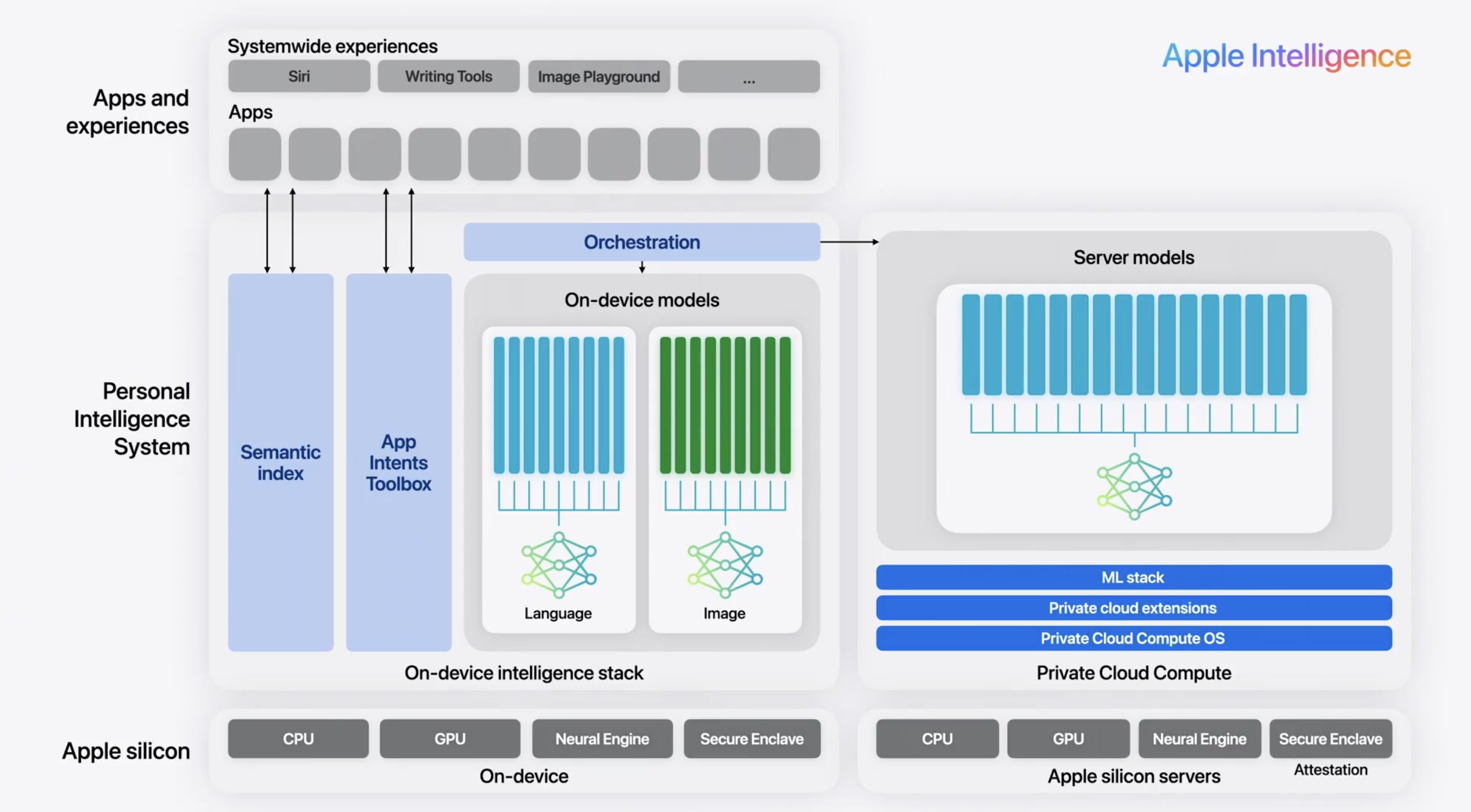
According to research from Counterpoint Research, the cost of components for flagship smartphones has seen consistent upward pressure as manufacturers prioritize silicon optimized for AI workloads. While Apple has not issued a formal statement confirming a permanent price hike across all product lines, the company’s recent strategy—such as the introduction of the “Apple Intelligence” suite—requires hardware specifications that necessitate more expensive memory configurations and advanced chip architecture, as detailed in their official product announcements.
The Hardware Cost of Artificial Intelligence
The transition toward AI-centric smartphones is not merely a software update; it represents a fundamental change in hardware architecture. Modern flagship devices now require significant increases in random access memory (RAM) to handle local AI processing without relying solely on cloud servers. As noted by the International Data Corporation (IDC), the average selling price of smartphones has trended upward as vendors bundle high-end AI capabilities into their premium tiers. This shift is designed to ensure that the user experience—specifically latency-sensitive tasks like real-time translation or local image generation—remains fluid.

For manufacturers, this creates a difficult balancing act. Integrating advanced neural engines requires more sophisticated semiconductor manufacturing processes, such as 3nm chip fabrication. According to TSMC, the primary foundry for much of the industry’s advanced silicon, the complexity of these wafers increases manufacturing costs. Companies must choose between absorbing these costs, which impacts profit margins, or passing them to the consumer, which risks lower unit volume in a competitive market.
Market Dynamics and Consumer Impact
The broader smartphone market is currently navigating a period of stagnation in shipment volumes, which makes pricing decisions critical. While Apple maintains a high-end positioning, competitors like Samsung have also begun to lean into AI as a primary differentiator for their Galaxy S-series, often highlighting these features as justification for premium pricing. Data from Canalys indicates that while the total number of smartphones sold has plateaued, the “premiumization” of the market continues, with consumers increasingly opting for higher-capacity, AI-capable models.
This trend forces a question for the average user: is the hardware upgrade worth the premium? As AI features move from optional add-ons to core operating system components, the distinction between “smart” and “AI” phones is blurring. Manufacturers are effectively using AI as a catalyst to shorten upgrade cycles, encouraging users to replace older devices that lack the necessary neural processing power to run the latest software iterations.
What Happens Next for Smartphone Pricing
Industry observers expect the trend of rising hardware costs to persist as long as the “AI arms race” continues between major silicon designers. The next major checkpoint for these pricing strategies will be the upcoming product cycles for 2025, where analysts will look for shifts in base-model specifications. If entry-level models are forced to include higher RAM and more powerful chips to remain compatible with future AI updates, the floor price for high-quality smartphones may rise permanently.
For now, consumers should monitor official company press releases and investor earnings calls for updates on how supply chain costs are affecting retail pricing. As we head into the next quarter, transparency regarding component costs and consumer-facing value propositions will likely remain a focal point for tech analysts and investors alike. We encourage our readers to keep an eye on these developments and join the conversation in the comments below regarding how you perceive the value of AI features in your next hardware purchase.
Linda Park is the Tech Editor at World Today Journal. With an MSc in Computer Science from Stanford, she tracks the intersection of consumer hardware and emerging software trends.
Keep reading