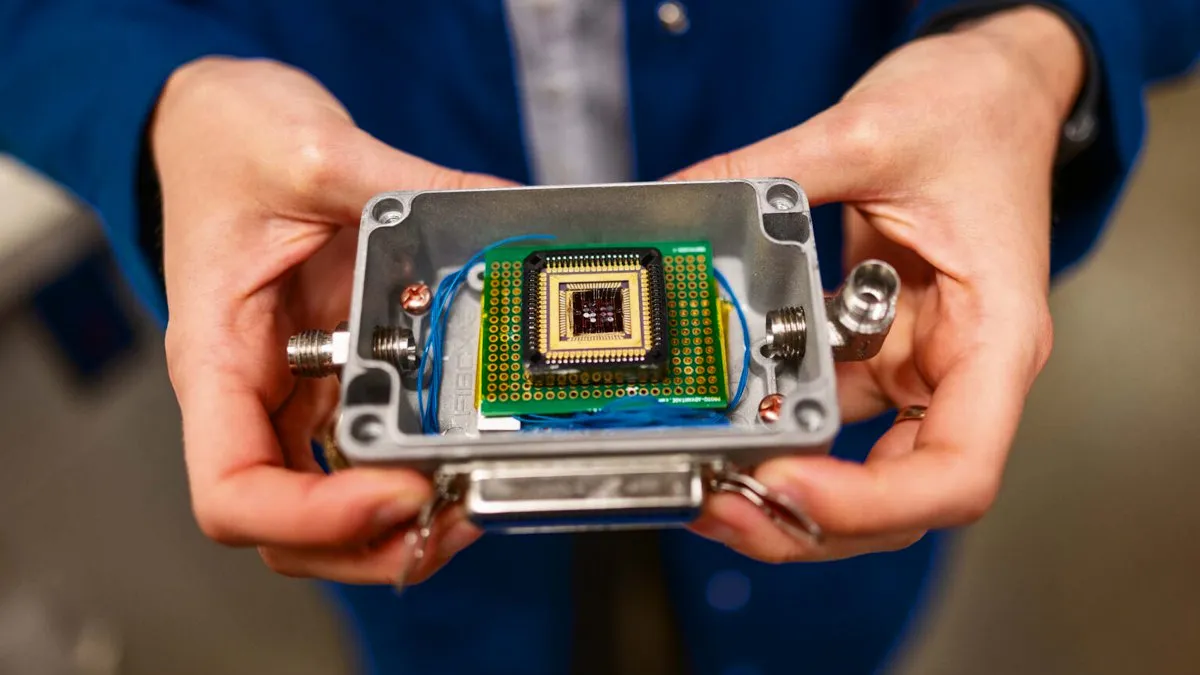
Researchers are developing advanced sensor technology capable of detecting food spoilage by identifying volatile organic compounds (VOCs) long before they become perceptible to human senses. This innovation, which integrates micro-electronic chips directly into packaging, aims to address significant global food waste by providing precise, real-time data on product freshness. According to the Food and Agriculture Organization of the United Nations (FAO), approximately one-third of all food produced for human consumption is lost or wasted globally, creating an urgent need for more accurate monitoring solutions than traditional “best-before” date labels.
As a physician and health journalist, I have observed how reliance on printed expiration dates often leads consumers to discard perfectly safe food, while simultaneously failing to identify products that have spoiled due to improper storage conditions. These new electronic sensing systems, often referred to as “electronic noses” or e-noses, represent a shift toward objective safety verification. By monitoring the chemical profile of the headspace inside a food package, these sensors can signal the presence of bacterial growth or degradation processes that precede the development of foul odors or visible mold.
How Electronic Sensors Monitor Food Integrity
The core functionality of these smart sensors lies in their ability to detect specific gases emitted by food as it breaks down. As proteins and fats degrade, they release distinct chemical signatures. Traditional packaging is passive, but these new sensors are designed to be active participants in food safety. According to research published in Nature Scientific Reports, thin-film gas sensors are being engineered to integrate with near-field communication (NFC) or radio-frequency identification (RFID) tags, allowing for non-invasive monitoring via a smartphone app or a standard store-level scanner.
Unlike human olfactory receptors, which are subjective and can be overwhelmed by strong ambient odors, electronic sensors provide quantifiable data. When the concentration of specific VOCs—such as cadaverine or putrescine in protein-rich foods—reaches a pre-set threshold, the chip triggers a visual indicator or transmits a digital alert. This technology is currently being evaluated for its efficacy in supply chains, where maintaining a cold chain is essential to preventing premature spoilage.
Addressing the Limitations of “Best-Before” Labels
The current system of date labeling is frequently criticized by food safety experts for being overly conservative, which contributes to unnecessary household waste. The European Food Safety Authority (EFSA) notes that confusion between “use-by” dates, which relate to safety, and “best-before” dates, which relate to quality, is a primary driver of consumer-level food waste. Electronic sensors offer a dynamic alternative, as they reflect the actual state of the product rather than an estimated shelf life based on ideal conditions.

However, the transition from laboratory prototypes to consumer-ready packaging faces several hurdles. Cost remains the most significant barrier to widespread adoption. For these sensors to be viable, they must be inexpensive enough to be applied to low-margin commodities like milk, meat, and fresh produce. Furthermore, manufacturers must ensure that the sensing materials are food-safe and compatible with existing automated packaging machinery, as outlined in guidelines from the U.S. Food and Drug Administration (FDA) regarding food-contact substances.
What Happens Next in Smart Packaging
While the technology is advancing rapidly, the next phase involves large-scale field testing and regulatory approval for integration into standard food distribution networks. Industry stakeholders are currently focusing on improving the sensitivity and selectivity of these sensors to ensure they do not produce false positives, which could lead to unnecessary food disposal. According to reports from the OECD, policy frameworks are also evolving to encourage the adoption of technologies that reduce waste, though standardized international protocols for “intelligent packaging” are still in development.

For the consumer, the immediate future will likely see these sensors appear in high-value products where spoilage detection is most critical, such as premium meats or specialty dairy items. As the manufacturing cost of micro-electronic components continues to decline, we may eventually see these indicators on a wider variety of grocery items. Until then, food safety agencies continue to recommend that consumers rely on visual inspections, proper storage temperatures, and adherence to existing labeling as the primary methods for assessing food safety.
We encourage our readers to share their thoughts on the integration of smart technology in our daily grocery routines. Do you believe that digital freshness alerts would change your shopping habits, or do you prefer traditional methods of checking food quality? Please leave your comments below to contribute to our ongoing discussion on healthcare innovation and public policy.
Related reading