
The humanitarian crisis in Sudan has reached a catastrophic inflection point, with international observers describing the scale of suffering as unprecedented in modern conflict history. According to the United Nations Office for the Coordination of Humanitarian Affairs (OCHA), more than 25 million people—over half of Sudan’s population—now require urgent humanitarian assistance and protection as the civil war between the Sudanese Armed Forces (SAF) and the Rapid Support Forces (RSF) enters its second year.
The conflict, which erupted in Khartoum on April 15, 2023, has displaced more than 10 million people, creating the world’s largest internal displacement crisis. Aid agencies report that the combination of widespread infrastructure destruction, systematic looting of aid convoys, and the use of explosive weaponry in densely populated areas has rendered the delivery of life-saving supplies nearly impossible in many regions. The situation is compounded by the collapse of the national healthcare system, with the World Health Organization (WHO) confirming that approximately 70% to 80% of hospitals in conflict-affected areas are no longer functional.
The Escalation of Aerial Warfare and Civilian Impact
A defining, and increasingly lethal, feature of the current phase of the war is the reliance on drone technology and indiscriminate aerial bombardment. Reports from human rights monitors indicate that both the SAF and RSF have utilized unmanned aerial vehicles (UAVs) to strike civilian infrastructure, including markets, residential neighborhoods, and temporary shelters. The deployment of these systems has fundamentally altered the security landscape, as traditional frontlines have dissolved into a fragmented, urban-centric battlefield.

According to data tracked by the Armed Conflict Location & Event Data Project (ACLED), the use of explosive weapons in urban centers has been a primary driver of civilian fatalities since the start of hostilities. The strategic use of drones by the warring parties has allowed for precision strikes, but these have frequently targeted locations where displaced civilians congregate, leading to mass casualty incidents. International humanitarian law mandates the protection of civilians and the distinction between military and non-military targets; however, the persistent reports of strikes on civilian zones suggest a disregard for these legal obligations, as documented by Human Rights Watch.
Barriers to Humanitarian Access
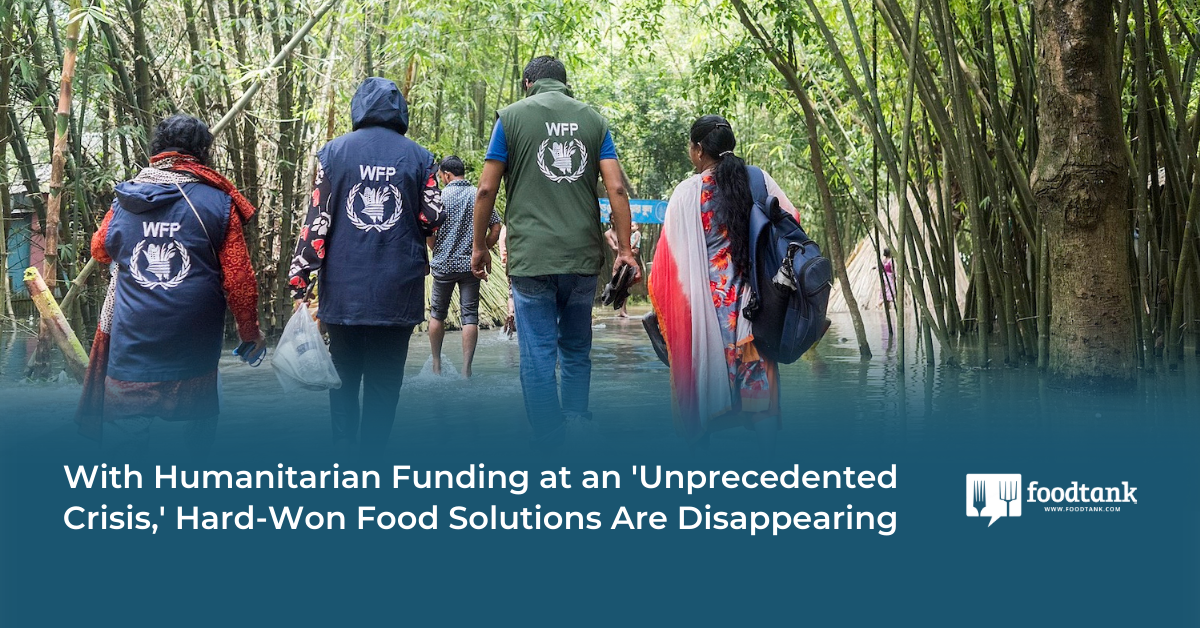
The operational environment for aid workers in Sudan is currently among the most dangerous globally. Bureaucratic impediments, including the arbitrary denial of travel permits and the imposition of excessive customs requirements by local authorities, have halted the movement of food and medicine. The World Food Programme (WFP) has warned that famine conditions are imminent in several parts of the country, particularly in North Darfur and Khartoum, where supply chains have been effectively severed by active fighting.
The destruction of agricultural land and the displacement of farmers have further exacerbated the risk of long-term food insecurity. With the planting season disrupted by the ongoing violence, international organizations are bracing for a prolonged period of severe malnutrition. The Integrated Food Security Phase Classification (IPC) has highlighted that the lack of consistent humanitarian access is the primary factor preventing the stabilization of the region’s food supply, leaving millions at high risk of starvation.
The Path Forward: Diplomatic and Legal Hurdles
Efforts to broker a sustainable ceasefire have faced repeated setbacks. Previous negotiations in Jeddah and Geneva have failed to secure a lasting cessation of hostilities, as both the SAF and RSF continue to prioritize military objectives over diplomatic engagement. The United Nations Security Council remains divided on the implementation of a binding resolution, complicating the possibility of a coordinated international intervention or the enforcement of a comprehensive arms embargo.

Accountability for the violence remains a critical demand from international observers. The International Criminal Court (ICC) has opened investigations into alleged war crimes and crimes against humanity committed in Darfur, marking a significant step toward legal redress for victims. However, the practical challenge of executing arrest warrants in a territory controlled by warring factions remains a significant obstacle to achieving justice.
As the international community monitors the situation, the next major checkpoint for the conflict will be the upcoming session of the UN Human Rights Council, where the Independent International Fact-Finding Mission for the Sudan is expected to present updated reports on the human rights situation. Global stakeholders continue to call for an immediate end to the violence and the establishment of safe corridors for humanitarian aid. Readers interested in following the latest developments can monitor the official OCHA Sudan portal for daily situation reports and updates on funding gaps. We invite our readers to share their thoughts on the role of international diplomacy in resolving the conflict in the comments section below.