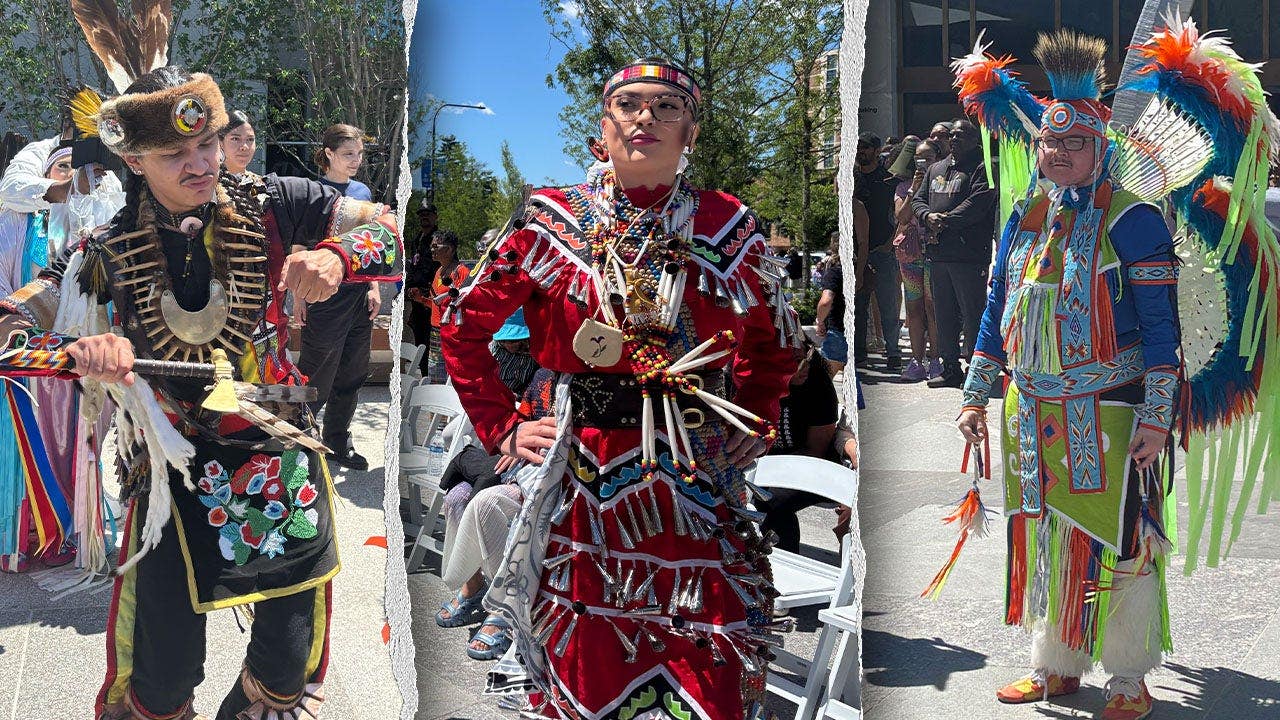
The Obama Presidential Center, currently under construction in Chicago’s Jackson Park, has drawn public attention following a recent event featuring a Native American dance performance. This cultural presentation occurred after the project’s developers included a land acknowledgment statement regarding the site’s history on the institution’s official digital platforms, a move that prompted varied public reactions across social media and local news outlets.
Located on the South Side of Chicago, the Obama Presidential Center is designed to serve as both a museum and a public forum. According to the Obama Foundation’s official project documentation, the center occupies approximately 19 acres within the historic Jackson Park, a site originally designed by Frederick Law Olmsted and Calvert Vaux. The inclusion of land acknowledgments—formal statements recognizing the Indigenous peoples who originally inhabited a specific territory—has become a common practice for many cultural and academic institutions in the United States, though the practice remains a subject of ongoing debate regarding its effectiveness and intent.
Project Scope and Community Engagement
The development of the Obama Presidential Center represents a significant investment in Chicago’s infrastructure and cultural landscape. Construction began in August 2021, following a series of legal and environmental reviews required for projects situated on public parkland. The City of Chicago Department of Planning and Development notes that the center is expected to house the Obama Foundation offices, a public library, and a museum complex, with a projected completion date currently slated for 2025.
Recent programming at the site has included outreach to local students and community members. Reports from local media indicate that former President Barack Obama and former First Lady Michelle Obama visited the site to engage with students, highlighting the center’s mission to serve as a hub for civic engagement. This focus on community-led programming is a central pillar of the Foundation’s stated goals, which include providing resources for youth development and fostering discussions on democratic participation.
Public Reception and Institutional Messaging
The juxtaposition of the formal land acknowledgment and the subsequent cultural performances at the site has sparked discourse regarding the role of modern institutions in addressing historical legacies. Critics of land acknowledgments often argue that such statements are performative gestures that do not result in tangible policy changes for Indigenous communities. Conversely, proponents maintain that these acknowledgments are essential steps in recognizing historical displacement and fostering a more inclusive historical narrative.

The Obama Foundation has consistently framed the center as a space for “inclusive dialogue,” according to its mission statement. By hosting cultural events like the recent dance performance, the organization appears to be balancing its stated commitment to honoring diverse histories with the operational realities of managing a major public facility. The center’s progress continues to be monitored by local stakeholders, including neighborhood advocacy groups who have been involved in discussions regarding the project’s impact on local housing and economic development since the site selection was finalized in 2017.
Looking Ahead: Future Milestones
As the construction phase nears its conclusion, the focus for the Obama Presidential Center will shift toward the installation of permanent exhibits and the finalization of its public programming schedule. The next major milestone for the institution is the anticipated public opening in 2025, which will mark the transition from an active construction site to a fully operational presidential library and museum complex. Official updates regarding the opening date and ticketing information are distributed through the Foundation’s official newsletter and website.
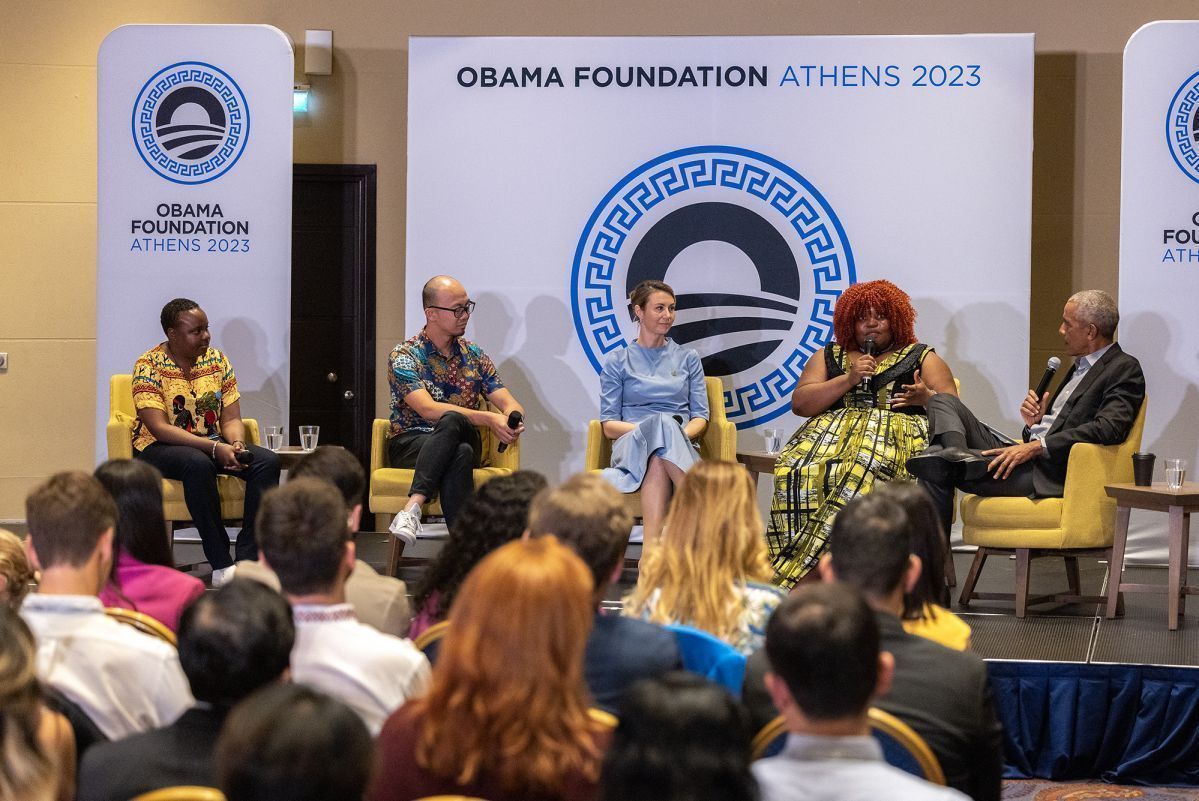
The project remains a subject of intense public interest, reflecting the broader conversation about the legacy of the Obama administration and the future of presidential centers in the 21st century. As more details regarding the center’s interior exhibits and long-term educational mission become available, the public will have further opportunities to assess how the institution addresses its stated goals of community integration and historical recognition.
Readers interested in the ongoing development of the Obama Presidential Center are encouraged to monitor official press releases from the Obama Foundation and the City of Chicago for the most accurate and up-to-date information. Please share your thoughts in the comments section below regarding the evolving role of presidential libraries in modern civic life.