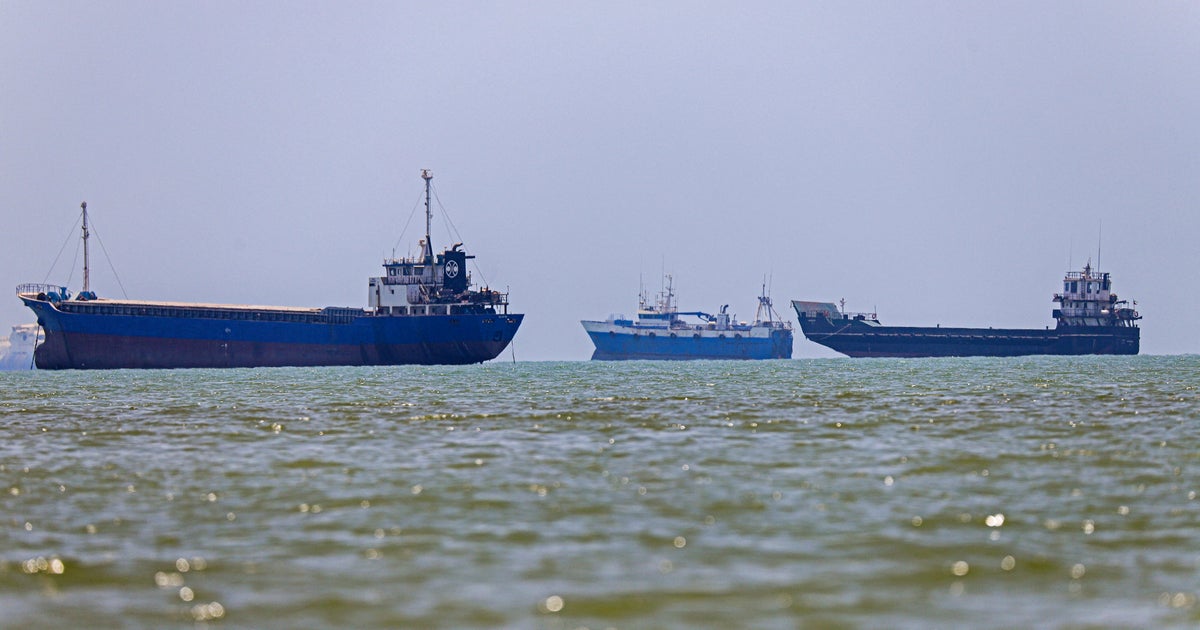
A majority of Americans support a diplomatic conclusion to tensions with Iran, though public confidence in the efficacy of U.S. negotiations remains low, according to recent polling data. While there is a clear public appetite for ending the threat of military conflict, surveys indicate that few citizens believe the United States has historically secured advantageous terms in its agreements with the Iranian government.
Public opinion regarding U.S.-Iran relations has long been shaped by a combination of geopolitical volatility and domestic political shifts. Data from the Gallup Organization highlights that approval of military action or aggressive posturing toward Iran has fluctuated significantly over the past two decades, often mirroring the broader partisan divide in Washington. These sentiments are further complicated by perceptions of executive authority, as voters frequently evaluate foreign policy successes through the lens of presidential approval ratings, as tracked by organizations such as Pew Research Center.
Public Sentiment on Diplomatic Agreements
The desire for a peaceful resolution to the U.S.-Iran standoff is widespread, yet it is not synonymous with trust in the current diplomatic process. According to analysis from the Associated Press-NORC Center for Public Affairs Research, while a significant portion of the electorate advocates for avoiding war, there is a pervasive skepticism regarding whether past or present deals have served American interests. This “diplomatic paradox”—wanting peace but doubting the terms of peace—remains a consistent theme in U.S. foreign policy polling.
Historical context suggests that when the U.S. enters into high-profile agreements, the public often views the outcome as either a concession or a stalemate. When compared to other international treaties, agreements involving Iran consistently rank lower in public confidence. This skepticism is often fueled by the lack of transparency in international negotiations and the rapid shifting of regional alliances in the Middle East, as documented in Council on Foreign Relations reports.
The Impact of Presidential Approval Ratings
Foreign policy outcomes are frequently tethered to the political standing of the sitting president. Research from NPR indicates that when a president’s overall approval rating dips, their ability to project strength or negotiate effectively on the world stage is often questioned by the electorate. This correlation is particularly acute regarding Iran, where the issue is often framed as a test of executive resolve.

In historical polling, even when a tentative deal is reached, the “rally-around-the-flag” effect is often muted if the public believes the agreement is lopsided. For instance, during previous administrations, polling The Hill analyzed showed that even supporters of a specific president often expressed concerns that the U.S. gave up too much in exchange for too little in terms of regional stability or nuclear non-proliferation.
Historical Context and Shifts in Policy
To understand the current climate, it is necessary to look at how the public’s threshold for military intervention has changed. According to Gallup, the post-9/11 era saw higher support for military engagement, but that support has eroded as the costs of prolonged involvement in the Middle East have become more apparent to the American taxpayer. The shift toward a desire for withdrawal or diplomatic containment is a direct response to the perceived failures of past interventions.
The following table outlines the factors that typically influence public perception of U.S.-Iran agreements:
| Factor | Public Perception Influence |
|---|---|
| Economic Sanctions | Seen as a necessary alternative to direct kinetic warfare. |
| Nuclear Non-Proliferation | High priority, but skepticism exists on verification methods. |
| Presidential Leadership | Directly impacts trust in the negotiation process. |
What Happens Next in U.S.-Iran Diplomacy
The future of U.S. engagement with Iran remains subject to ongoing legislative oversight and international diplomatic efforts. The next major checkpoint for observers will be the release of new quarterly reports from the International Atomic Energy Agency (IAEA), which frequently trigger debate in Congress regarding the compliance of Iranian nuclear facilities. These reports serve as the primary factual basis for both proponents of diplomacy and those advocating for a return to “maximum pressure” campaigns.

As the political landscape evolves, tracking these official updates remains the most reliable way to gauge the state of the relationship. Readers interested in the specifics of ongoing policy discussions are encouraged to monitor the U.S. Department of State’s official press briefings for the most accurate, up-to-date information on current diplomatic initiatives. We welcome your thoughts on how the U.S. should balance regional security with diplomatic outreach in the comments section below.
Related reading