Recent diplomatic discussions involving Swiss officials and international stakeholders have sparked a renewed debate regarding Switzerland’s long-standing policy of armed neutrality. While critics often frame high-level diplomatic exchanges as unproductive, proponents of the Swiss model argue that these engagements are essential exercises in maintaining the nation’s role as a global mediator, particularly in a period of heightened geopolitical tension.
The discourse centers on whether Switzerland’s participation in international forums serves to dilute its traditional stance or, conversely, provides a necessary platform for neutral arbitration. According to the Swiss Federal Department of Foreign Affairs, the country’s neutrality is not an isolationist policy but a functional tool designed to facilitate dialogue between conflicting parties. This framework remains a cornerstone of Swiss foreign policy, guiding the nation’s interactions in international organizations and peace summits.
The Evolution of Swiss Neutrality in Modern Diplomacy
Switzerland’s commitment to neutrality is legally rooted in the 1907 Hague Conventions, which established the rights and duties of neutral powers in international conflicts. In recent years, the interpretation of these principles has faced scrutiny, particularly following the Swiss government’s decision to adopt European Union sanctions against Russia in response to the invasion of Ukraine. As noted by the Swiss Broadcasting Corporation (SWI), this move triggered a domestic debate over whether such alignment compromises the nation’s ability to act as a credible, impartial host for future peace negotiations.
Despite these tensions, Swiss authorities maintain that their neutrality allows for “good offices”—a diplomatic term for providing a neutral ground where adversaries can meet. This approach has historically enabled Switzerland to represent the interests of various nations when official diplomatic ties have been severed. The effectiveness of this strategy depends heavily on the perception of the Swiss state as a strictly impartial actor on the global stage.
Assessing the Impact of International Engagement
Critics of the current diplomatic trajectory suggest that increased alignment with Western defense policies could diminish Switzerland’s unique value proposition. Conversely, supporters argue that in an interconnected world, absolute neutrality is increasingly difficult to maintain without becoming irrelevant. The Neue Zürcher Zeitung (NZZ) has reported extensively on the legislative challenges involved in balancing these international obligations with the constitutional mandate of neutrality. These discussions are not merely academic; they influence how the Swiss government allocates resources for its diplomatic corps and chooses which international initiatives to support.
For the average observer, the distinction between “active” and “passive” neutrality is the core of the issue. Active neutrality involves using the country’s neutral status to facilitate humanitarian aid and conflict resolution, whereas passive neutrality emphasizes non-interference. The current government, under the guidance of the Federal Council, continues to navigate this spectrum, aiming to preserve the country’s security interests while fulfilling its international responsibilities.
Why the Debate Matters for Global Stability
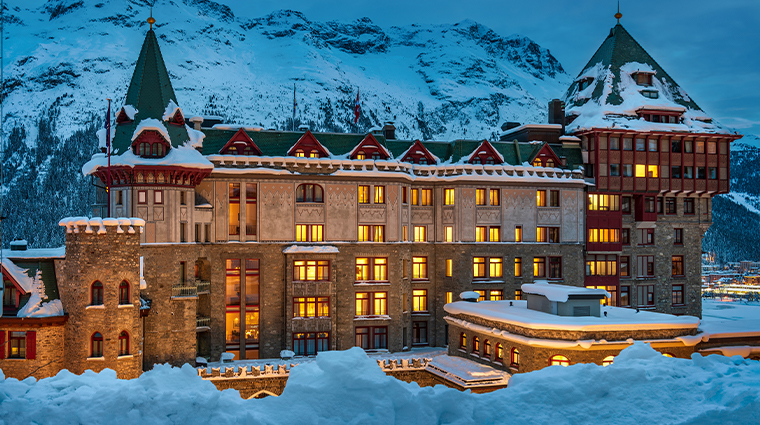
The importance of this debate extends beyond Swiss borders because the loss of a reliable neutral mediator could reduce the available channels for de-escalation during crises. When major powers are entrenched in conflict, the existence of a neutral state capable of hosting secure, discreet talks—often held in venues such as the Palace Hotel locations known for hosting international summits—is a vital component of the international security architecture. Without such venues, the risk of miscommunication between opposing factions increases significantly.
The Swiss approach to diplomacy is characterized by a high degree of transparency in its legislative process, yet the actual negotiations held within its borders are often conducted under strict confidentiality. This dual nature is what allows the country to function as a bridge, even when public sentiment within Switzerland remains divided on the extent to which the government should engage in international disputes.
Looking Ahead: Future Diplomatic Benchmarks
The next major checkpoint for Swiss foreign policy will likely occur during the upcoming sessions of the Federal Assembly, where lawmakers are expected to debate the future of the nation’s defense procurement and its ongoing collaboration with international security alliances. These discussions will be critical in shaping how Switzerland defines its role in the shifting global order throughout the remainder of the year.
As the conversation continues, the Swiss government is expected to release further updates regarding its position on international security initiatives. Readers interested in following these developments can monitor official communiqués via the Swiss Federal Administration portal for the most accurate and up-to-date information regarding legislative progress and diplomatic mandates.
What is your perspective on the role of neutral states in contemporary geopolitics? Share your thoughts in the comments section below and join the ongoing discussion regarding the future of international diplomacy.
Related reading