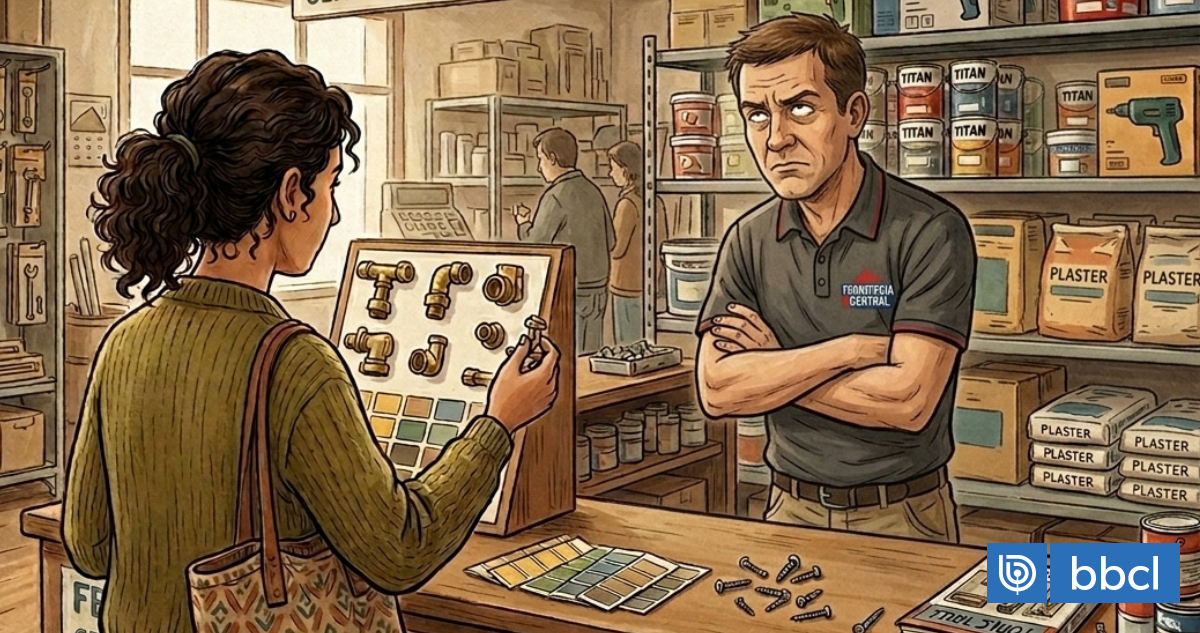
Hardware stores have emerged as the primary commercial spaces where women report feeling excluded or unwelcome, according to recent findings from the Chilean National Consumer Service (SERNAC). The agency’s analysis, which examines consumer experiences across various retail sectors, indicates that gender-based barriers remain a significant issue in specific segments of the Chilean market. These findings highlight a persistent gap in inclusive service standards, particularly in industries traditionally associated with male-dominated labor and DIY culture.
The SERNAC study, part of a broader initiative to monitor consumer rights and equitable treatment, identified that the perception of exclusion is not uniform across all retail types. While hardware stores topped the list, the report suggests that structural and cultural factors often contribute to why women feel marginalized in these environments. This research comes amid ongoing efforts by the Servicio Nacional del Consumidor (SERNAC) to enforce consumer protections and promote non-discriminatory service practices across the public and private sectors in Chile.
Why hardware stores are perceived as less inclusive
The perception of exclusion in hardware stores often stems from a combination of store layout, technical language, and the behavior of sales staff. According to consumer feedback collected by the agency, many women report receiving unsolicited or patronizing advice when purchasing tools or construction materials. This phenomenon, often described as “mansplaining” in a retail context, creates a hostile environment that discourages independent shopping.

Furthermore, the physical environment of many hardware retailers is frequently designed with a traditional, male-centric demographic in mind. The lack of clear, accessible signage or helpful staff who engage with female customers as competent professionals remains a primary complaint. SERNAC’s findings emphasize that when staff assume a woman is not knowledgeable about home improvement or construction, it acts as a significant barrier to equal market participation. This issue is underscored by Law 19.496, which establishes the protection of consumer rights in Chile, including the right to receive respectful and non-discriminatory treatment from suppliers.
Broader implications for the retail sector
Beyond the hardware industry, the SERNAC report sheds light on how gender biases manifest in various retail settings. The study suggests that stores selling automotive parts and specialized electronics also rank high in terms of perceived exclusion. In these spaces, as in hardware stores, the underlying issue is often the assumption of gender-based incompetence regarding technical products.
Retailers that fail to address these biases risk alienating a significant portion of their customer base. As the retail landscape evolves, businesses are increasingly encouraged to implement sensitivity training and inclusive customer service policies. The economic impact of such exclusion is notable; when women feel unwelcome, they are less likely to return to a business, directly impacting long-term revenue and brand loyalty. According to data from the Instituto Nacional de Estadísticas (INE), women represent a substantial share of the workforce and decision-making power in Chilean households, making their exclusion from retail spaces a strategic failure for businesses.
Next steps for consumer protection
SERNAC has indicated that it intends to use these findings to engage with industry associations and retail leaders to promote more inclusive practices. The agency’s mission includes monitoring how businesses comply with consumer rights and ensuring that no individual is treated unfairly based on gender, race, or social background. Future actions may include the development of best-practice guidelines for retailers and increased scrutiny of customer service standards in sectors identified as having high levels of perceived exclusion.
Consumers who feel they have been discriminated against are encouraged to utilize the official complaint channels provided by the government. Reporting such incidents is essential for gathering the data necessary to hold businesses accountable and drive systemic change. For those seeking to stay updated on consumer rights or to file a formal complaint, the official SERNAC website provides the necessary tools and guidance for the public. The agency continues to accept reports as part of its ongoing market surveillance, and further updates on potential regulatory responses are expected in the coming months.
Have you experienced similar barriers in retail spaces? Share your thoughts in the comments below or join the conversation on our social media platforms to help us track how these industry standards evolve.
Keep reading