
The National Park Service (NPS) has closed the park at Dupont Circle in Washington, D.C., through Sunday evening, citing public health and safety concerns amid ongoing Pride celebrations. The closure, which began on Friday, has drawn criticism from community members who view the historic site as a central gathering place for the LGBTQ+ community during Pride month. According to the National Park Service, the decision was made at the request of the United States Park Police to protect natural and cultural resources and ensure public safety.
For many residents and visitors, the sudden installation of fencing around the fountain and surrounding green space represents a significant disruption to long-standing traditions. While federal authorities maintain that the measure is necessary to prevent a repeat of past incidents involving violence and vandalism, local advocates argue the move disproportionately targets those participating in peaceful festivities. The park is scheduled to reopen to the public at 6:00 p.m. on Sunday, June 9, 2024, according to official park service notices.
Rationale Behind the Federal Closure
The National Park Service has framed the closure as a preemptive measure to maintain order in a high-traffic area. In a formal statement, the agency noted that the decision follows historical patterns of activity that have resulted in safety risks. During previous years, the fountain—a central landmark of the circle—has sustained significant damage, with repair costs previously estimated at approximately $175,000. These figures, which have been cited in past NPS operational reports, serve as the primary justification for the current restrictions.
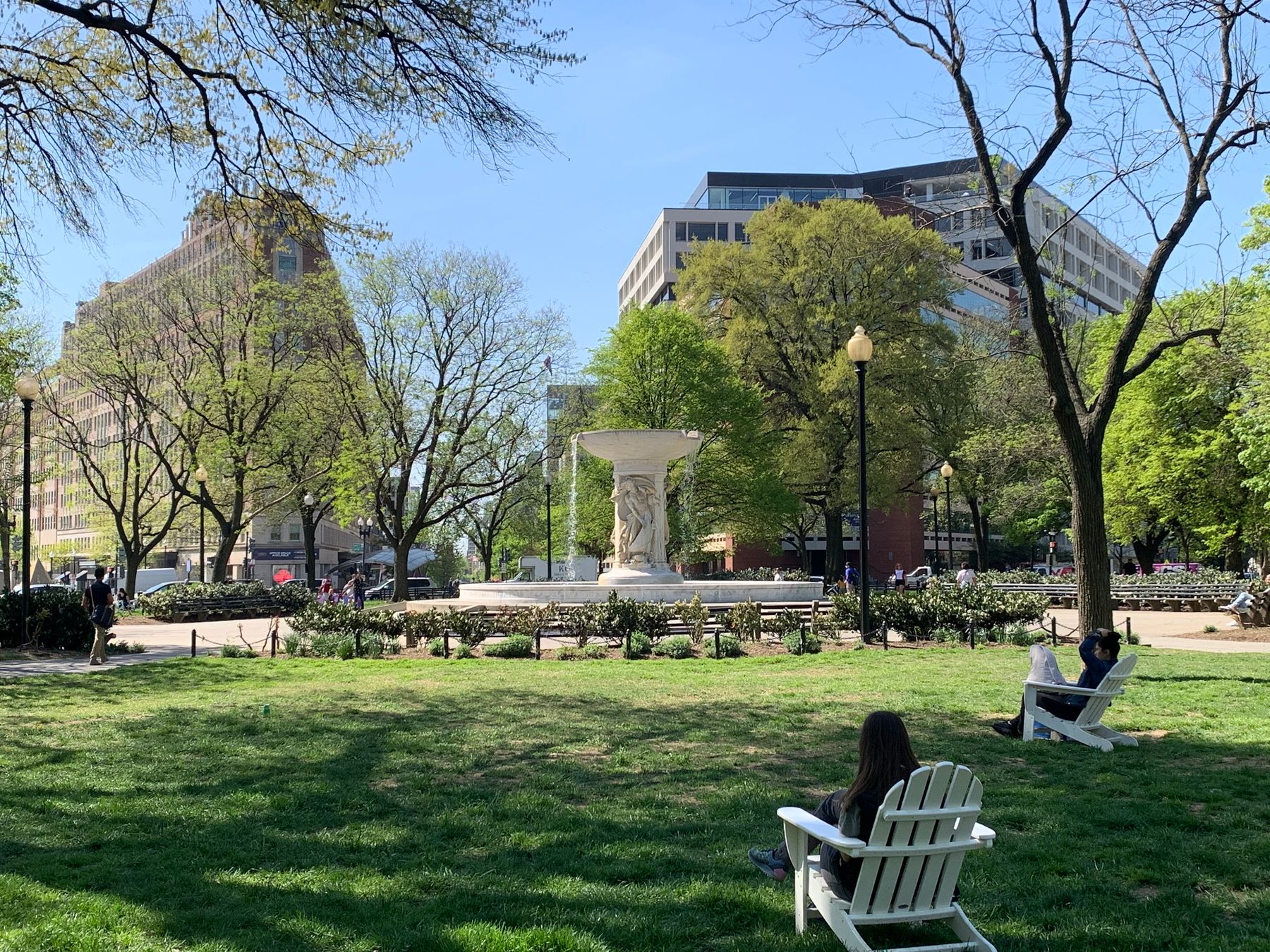
U.S. Park Police, who operate under the jurisdiction of the Department of the Interior, requested the closure to manage the density of crowds and mitigate potential criminal activity. The presence of law enforcement vehicles and National Guard personnel was noted in the vicinity on Saturday, signaling a heightened security posture. Despite these concerns, community members such as Chi Bundo Egwuatu have expressed frustration, suggesting that rowdiness is a common occurrence at large public events, such as sporting matches, which do not typically result in the closure of surrounding public parks.
Community Response and Historical Context
Dupont Circle holds profound significance for the D.C. LGBTQ+ community, serving as an unofficial hub for historical activism and social gathering. For attendees like Bernard Watkins, the closure of such a landmark during Pride is particularly disheartening. Signs have been posted by members of the public near the barricades, urging passersby to contact municipal authorities to voice their opposition to the federal government’s policy.
This is not the first time the park has faced such restrictions. In the previous year, the National Park Service attempted a similar closure during WorldPride events, which was also met with intense public pushback. Following public pressure, the initial fencing was removed, though subsequent events that year were marred by reports of a shooting and a double stabbing in the area. These incidents have created a point of contention between federal law enforcement, which prioritizes strict containment, and community members, who argue that the park remains a vital space that should remain accessible to the public regardless of the challenges associated with large, spontaneous gatherings.
Status of Coordination with Local Authorities
The jurisdictional complexity of the site—which falls under federal management despite its central role in D.C. civic life—has led to confusion regarding who is responsible for the closure. When inquiries were made to the Metropolitan Police Department and the Office of the Mayor of the District of Columbia, both entities directed questions back to the National Park Service. This lack of clear, unified communication has compounded the frustration felt by local residents.
Rose Quail, a visitor from Salisbury, Maryland, noted that the presence of barriers does not necessarily stop the community from congregating; it merely shifts the location of the festivities. As the weekend draws to a close, the focus remains on the scheduled reopening of the park. Any further developments regarding future access or changes to federal safety policies at the site will be updated via the official park service visitor information portal. We encourage readers to share their perspectives on the balance between public safety and community access in the comments section below.
Worth a look