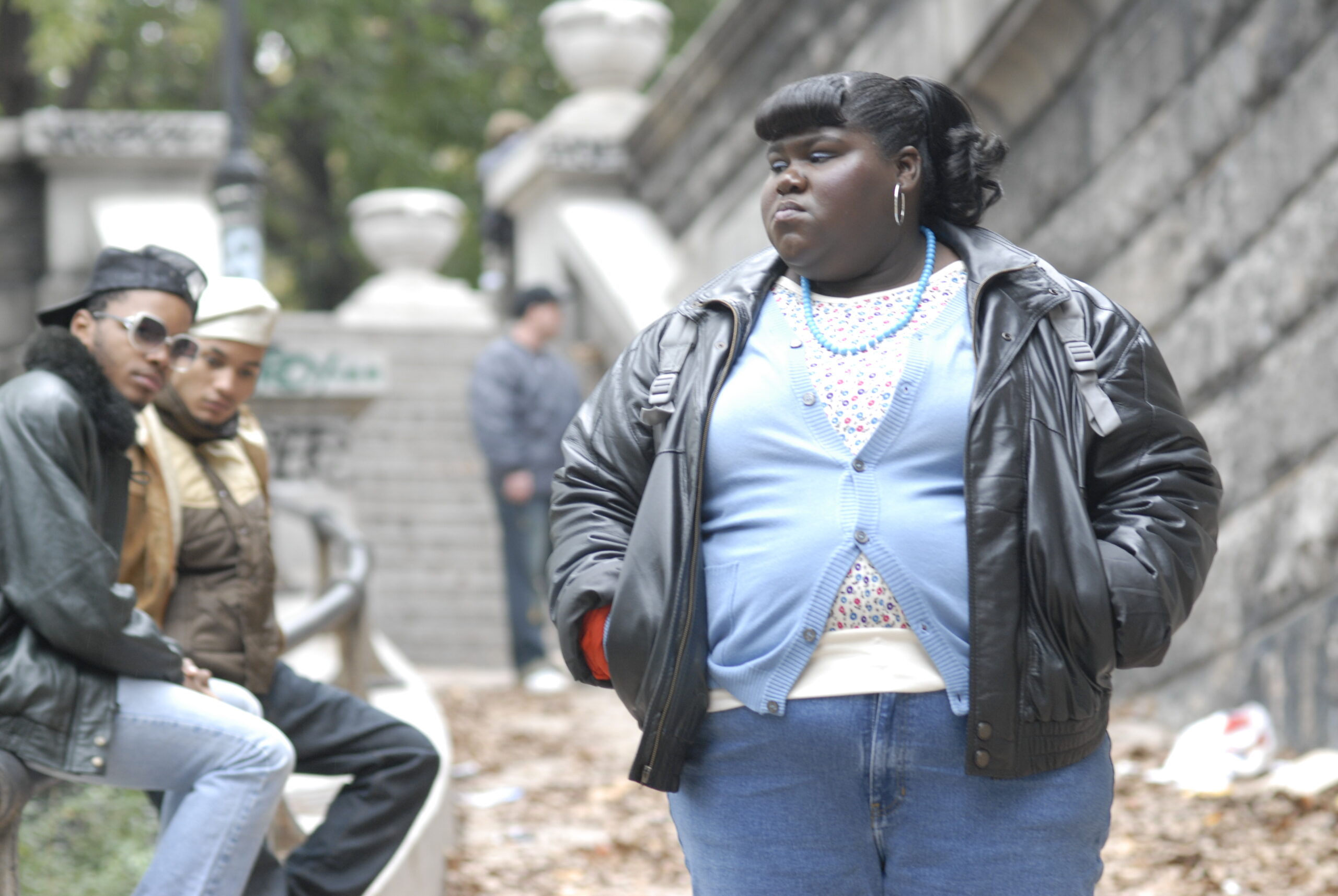
The Sundance Film Festival has served as a cornerstone for independent cinema for over four decades, providing a critical platform for Black filmmakers to reach global audiences. From the breakout successes of the 1990s to the award-winning documentaries of the 2020s, directors of African descent have consistently utilized the festival to challenge traditional narratives and expand the boundaries of storytelling. These films, ranging from intimate character studies to expansive social critiques, remain essential viewing for understanding the evolution of the American independent film industry.
For those looking to explore this history, the festival’s catalog offers a diverse look at Black life. Films such as House Party, Daughters of the Dust, and Summer of Soul have not only earned critical acclaim but have also left a lasting impact on popular culture. According to the Sundance Institute, the festival’s history includes a vast array of works by Black artists that continue to shape the trajectory of modern independent cinema.
Groundbreaking Debuts and Cultural Shifts
The 1990s marked a significant period for Black directors at Sundance, characterized by films that brought specific cultural experiences into the mainstream. Reginald Hudlin’s House Party, which premiered at the 1990 festival, stands as a primary example. The film, which won the Audience Award, follows two best friends through a series of comedic events in 1990s Los Angeles. It is widely recognized for its influence on Black youth culture and for launching the careers of stars like Martin Lawrence and Tisha Campbell, as noted by the Sundance Institute’s project archives.
Following this, Julie Dash’s Daughters of the Dust (1991) provided a meditation on the Gullah culture of the Sea Islands. As the first feature film directed by a Black woman to receive a wide theatrical release in the United States, its legacy is profound. The film’s visual language has been cited as an influence on contemporary artistic works, including the aesthetic of Beyoncé’s 2016 visual album, Lemonade, according to reporting by The New York Times.
Evolving Narratives of Love and Identity
As the festival entered the 2000s and 2010s, directors began exploring increasingly complex themes of identity, sexuality, and systemic injustice. Gina Prince-Bythewood’s Love & Basketball (2000) became a definitive romantic drama of the decade. Developed through the Sundance Institute’s Directors and Screenwriters Labs, the film offered an nuanced portrayal of a female athlete balancing professional ambition with personal relationships.
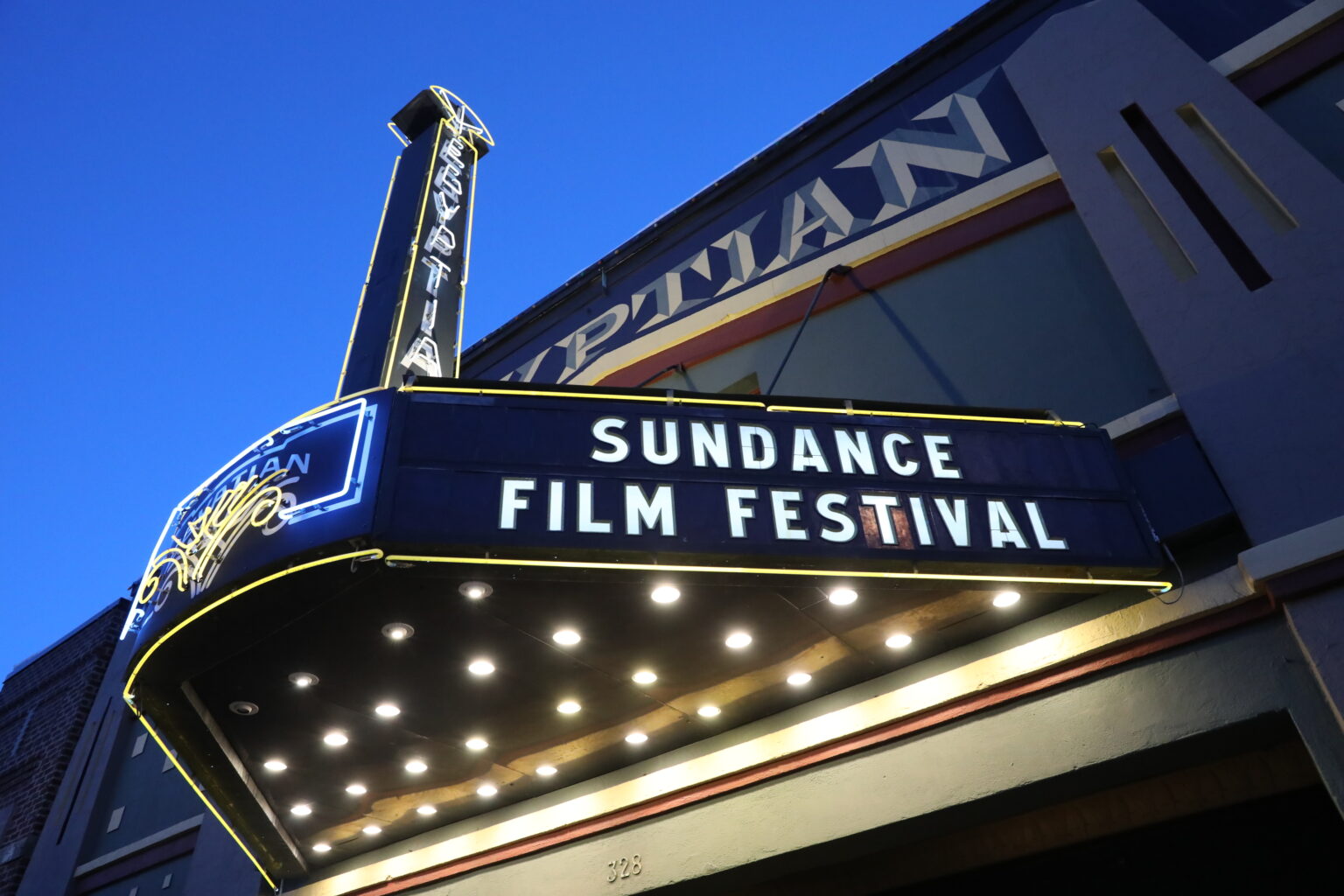
Representation expanded further with Dee Rees’s Pariah (2011). The film, which earned the Excellence in Cinematography Award, chronicles a Brooklyn teenager’s journey of self-discovery as a queer woman. By focusing on themes of belonging and family expectations, the film is credited with providing a more authentic look at the intersectional experiences of Black queer youth. Similarly, Ava DuVernay’s Middle of Nowhere (2012) explored the emotional toll of incarceration on families. For this work, DuVernay became the first Black woman to receive the Directing Award in the U.S. Dramatic category at the festival, according to official Sundance Institute records.

Documentary Power and Social Critique
The documentary category has also served as a powerful medium for Black directors to document history and systemic failures. Ryan Coogler’s Fruitvale Station (2013), based on the killing of Oscar Grant, brought urgent attention to police brutality and systemic racism. The film’s success at the festival—winning both the Grand Jury Prize and the Audience Award—highlighted a growing appetite for stories that confront contemporary social issues.
This commitment to social and historical inquiry continued with O.J.: Made in America (2016), directed by Ezra Edelman. The documentary, which examines the intersections of race, celebrity, and the criminal justice system in Los Angeles, ultimately won the Academy Award for Best Documentary Feature in 2017, as confirmed by the Academy of Motion Picture Arts and Sciences. Similarly, Yance Ford’s Strong Island (2017) utilized a deeply personal lens to examine the unsolved killing of the director’s brother. Ford’s nomination for the Academy Award for Best Documentary Feature marked a milestone, as he became the first openly transgender director to receive such a nomination.
The archival project Summer of Soul (…Or, When the Revolution Could Not Be Televised) (2021), directed by Ahmir “Questlove” Thompson, further emphasized the power of reclaiming Black history. By highlighting the 1969 Harlem Cultural Festival, the film captured a pivotal moment in cultural history that had been largely overlooked. It won both the Audience Award and the Grand Jury Prize in the U.S. Documentary category at the festival before securing an Academy Award, according to Academy records.
Looking Toward Future Festivals
The impact of these filmmakers extends beyond their individual accolades; they have collectively shifted the focus of independent cinema toward a more inclusive and multifaceted representation of the Black experience. As the industry continues to evolve, the Sundance Film Festival remains a primary venue for discovering directors who challenge existing paradigms.
The next edition of the Sundance Film Festival is scheduled to take place in January 2026. Official information regarding the festival’s lineup, ticket sales, and program updates will be released through the official Sundance Institute website. Readers are encouraged to share their favorite films from the festival’s history in the comments below.
Worth a look