French authorities have implemented strict public safety measures, including temporary bans on outdoor sports and restrictions on public alcohol consumption, as a significant heat wave settles over large swaths of Europe. According to Météo-France, the national meteorological service, these measures are designed to mitigate health risks associated with prolonged exposure to extreme temperatures, which have prompted “orange” and “red” heat alerts across multiple departments.
The decision to curb outdoor activities and alcohol sales in public spaces follows a trend of increasing summer temperatures across the continent, which European climate agencies have linked to broader shifts in regional weather patterns. Officials are prioritizing the prevention of heat-related illnesses—such as heat exhaustion and heatstroke—particularly among vulnerable populations, including the elderly and those performing strenuous physical labor. For the latest localized guidance, residents are directed to monitor the official government portal on heat waves, which provides real-time updates on departmental alert statuses.
Regulatory Responses to Rising Temperatures
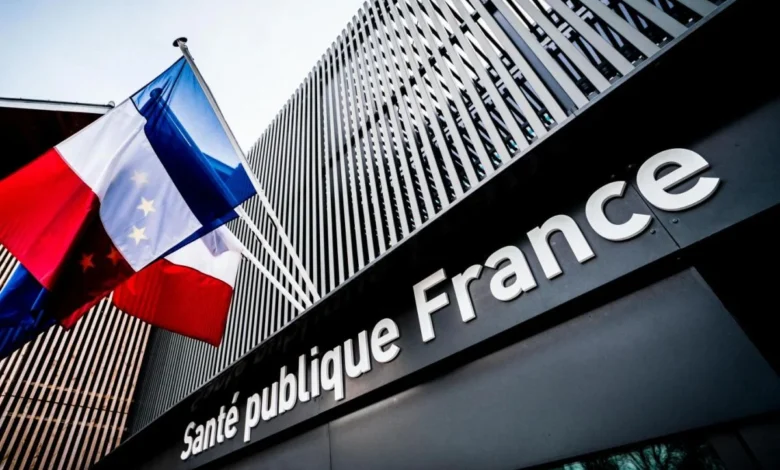
The restrictions in France are part of a tiered response system activated when temperatures reach thresholds that threaten public health. Local prefectures have been granted the authority to enforce localized prohibitions, which frequently include the suspension of outdoor sporting events and public gatherings during peak afternoon hours. As noted by the French Public Health Agency (Santé Publique France), the combination of high ambient heat and physical exertion significantly increases the risk of cardiovascular stress.
Beyond sports, the restriction on public alcohol consumption is aimed at curbing dehydration, a common complication during heat emergencies. Alcohol acts as a diuretic, accelerating fluid loss, which officials warn can be dangerous when the body is already struggling to regulate its internal temperature. These measures remain in effect until the national weather service downgrades the existing heat alerts, a process that relies on sustained drops in both daytime highs and nighttime lows.
Broader European Impact
France is not alone in grappling with these conditions. Across Southern and Central Europe, national governments are adjusting public policy to manage the strain on infrastructure and emergency services. The Copernicus Climate Change Service has documented a steady increase in the frequency and intensity of European heat waves over the last decade, noting that these events now frequently occur earlier in the summer season than historical averages would suggest.

In neighboring regions, similar protocols have been activated. These include the implementation of “cool rooms” in municipal buildings, adjustments to construction site schedules to avoid midday labor, and enhanced monitoring of nursing homes. The economic impact of these restrictions is significant, affecting tourism, retail, and outdoor event planning, yet officials maintain that the primary objective is the preservation of human life during extreme weather events.
Managing Heat-Related Risks
For those living in or traveling to affected areas, public health guidance remains consistent. The World Health Organization advises individuals to stay hydrated, avoid direct sun exposure between 11 a.m. and 4 p.m., and maintain contact with neighbors or family members who may be at higher risk. The use of fans or air conditioning is recommended, though authorities caution that fans alone may not be sufficient when temperatures exceed 35°C (95°F).
Public health officials emphasize that the current restrictions are temporary and subject to change based on daily meteorological forecasts. The next official update regarding the status of the heat wave is expected from Météo-France within 24 hours. Residents and visitors are encouraged to follow local news outlets and municipal social media channels for specific instructions relevant to their immediate area. Your thoughts on how local communities can better adapt to these warming trends are welcome in the comments below.
Related reading