
Argentine media personality Flor Jazmín Peña has become the center of public discourse following comments regarding her private life with partner and business colleague Nicolás Occhiato. The discussion, which emerged during a broadcast on the digital streaming platform Luzu TV, triggered a wave of criticism across social media, highlighting the intersection of professional transparency and personal privacy within the burgeoning Argentine streaming industry.
According to reports verified through local media monitoring, the controversy stems from statements made by Peña during a recent segment, where she discussed intimate details of her relationship with Occhiato. The couple, who both hold prominent roles within the Luzu TV network—a platform that has redefined audience engagement in Argentina—faced immediate backlash from segments of their viewership. This reaction underscores the evolving expectations audiences place on influencers who blur the lines between their professional personas and their private lives.
The Evolution of Digital Streaming in Argentina
Luzu TV, founded by Nicolás Occhiato, has transitioned from a niche digital project into a significant cultural force in the Argentine media landscape. The network utilizes a format that prioritizes informal, conversational content, often relying on the authentic rapport between its hosts to maintain high engagement levels. As noted in industry analyses, this “intimacy-as-content” model is a primary driver of the platform’s success, yet it creates a volatile dynamic when personal boundaries are perceived to be crossed.
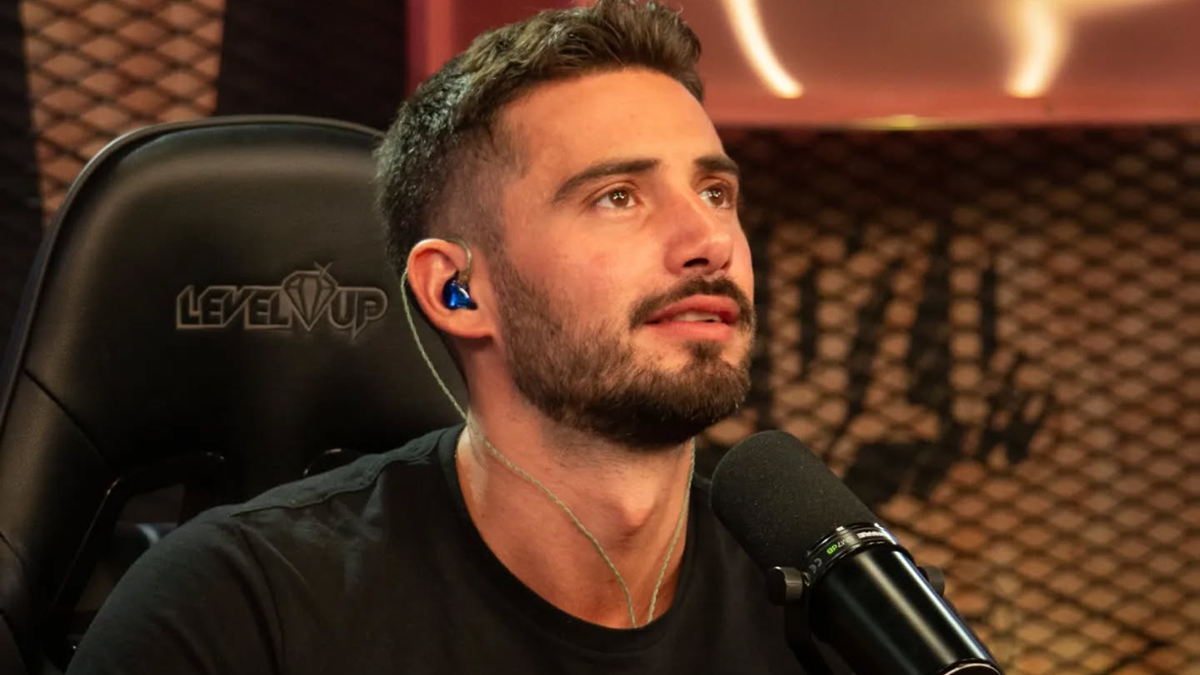
The public reaction to Peña’s comments reflects a growing debate regarding the level of access followers feel entitled to regarding the lives of digital creators. While the platform encourages a sense of community and closeness, the intensity of the criticism directed at Peña suggests a friction point where audience demand for transparency meets the individual’s right to discretion. Similar instances of public scrutiny regarding influencer relationships have been documented by the La Nación entertainment desk, which frequently covers the shifting norms of the Argentine digital media sector.
Public Reaction and Social Media Dynamics
The intensity of the negative response, often described in local reports as “defenestración” or harsh criticism, was primarily channeled through platforms like X (formerly Twitter) and Instagram. Users debated whether the disclosure of intimate details was a natural extension of the “Luzu style” or an unnecessary breach of privacy. This phenomenon of “cancel culture” or intense public feedback is a recurring challenge for digital media outlets that rely on personality-driven content.

According to data on audience behavior in digital media, platforms like Luzu TV operate in a space where the distinction between a “show” and “real life” is intentionally porous. When that balance shifts, the resulting backlash can be swift. The Clarín entertainment section has previously reported on how digital personalities manage these crises, often by either doubling down on their openness or withdrawing from public commentary on their private affairs.
Managing Privacy in the Streaming Era
For creators like Peña and Occhiato, the challenge lies in sustaining the authenticity that built their audience while mitigating the risks of overexposure. The current discourse surrounding their relationship highlights several key considerations for the industry:
- The vulnerability of creators who integrate their personal lives into their professional output.
- The role of platform culture in shaping audience expectations for “unfiltered” content.
- The impact of social media feedback loops on the mental well-being and career longevity of digital personalities.
As the digital streaming market continues to mature, experts suggest that creators may need to establish clearer boundaries to protect their professional integrity. The case of Peña and Occhiato serves as a recent case study for how quickly public sentiment can shift when the personal becomes the professional product.
What Happens Next
Neither Flor Jazmín Peña nor Nicolás Occhiato has issued a formal statement regarding the intensity of the recent criticism. In the context of digital media cycles in Argentina, these controversies often dissipate as new content is produced, though they leave a lasting impact on how audiences perceive the individuals involved. Observers of the industry anticipate that upcoming broadcasts from the network will be closely monitored for any shifts in tone or changes in how the hosts address their personal lives on air.
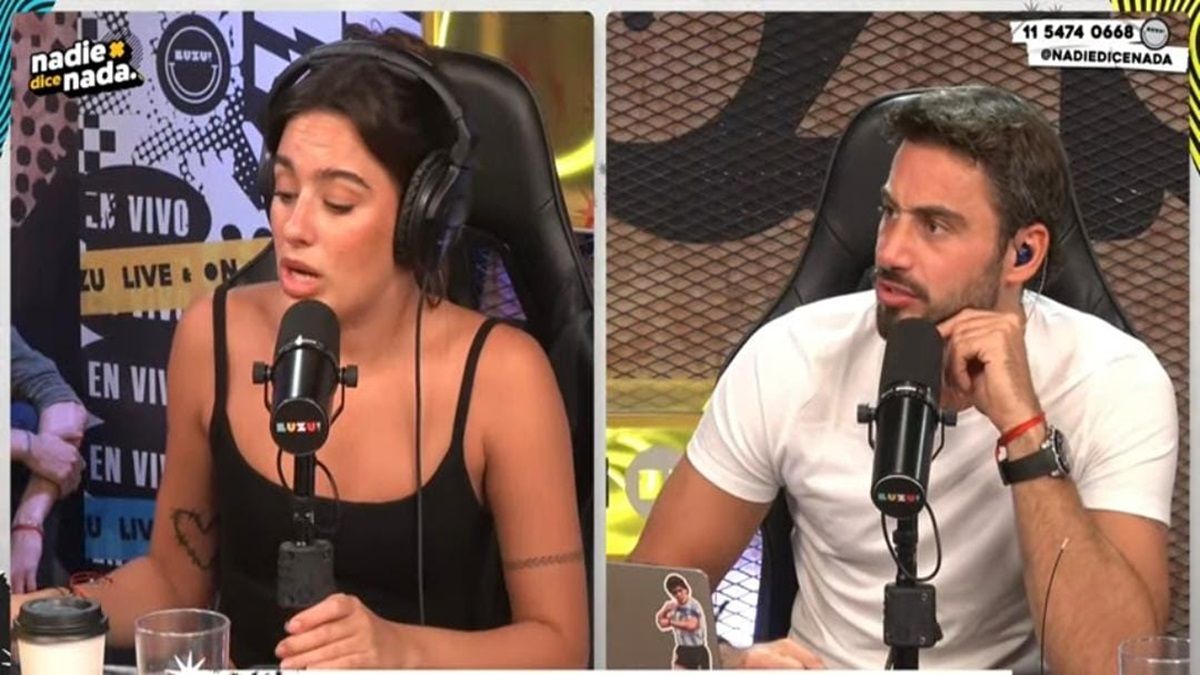
Updates on the programming schedule and official statements from Luzu TV can be monitored through the network’s official website. Readers are encouraged to share their perspectives on the evolving balance between influencer privacy and content transparency in the comments section below.
Related reading