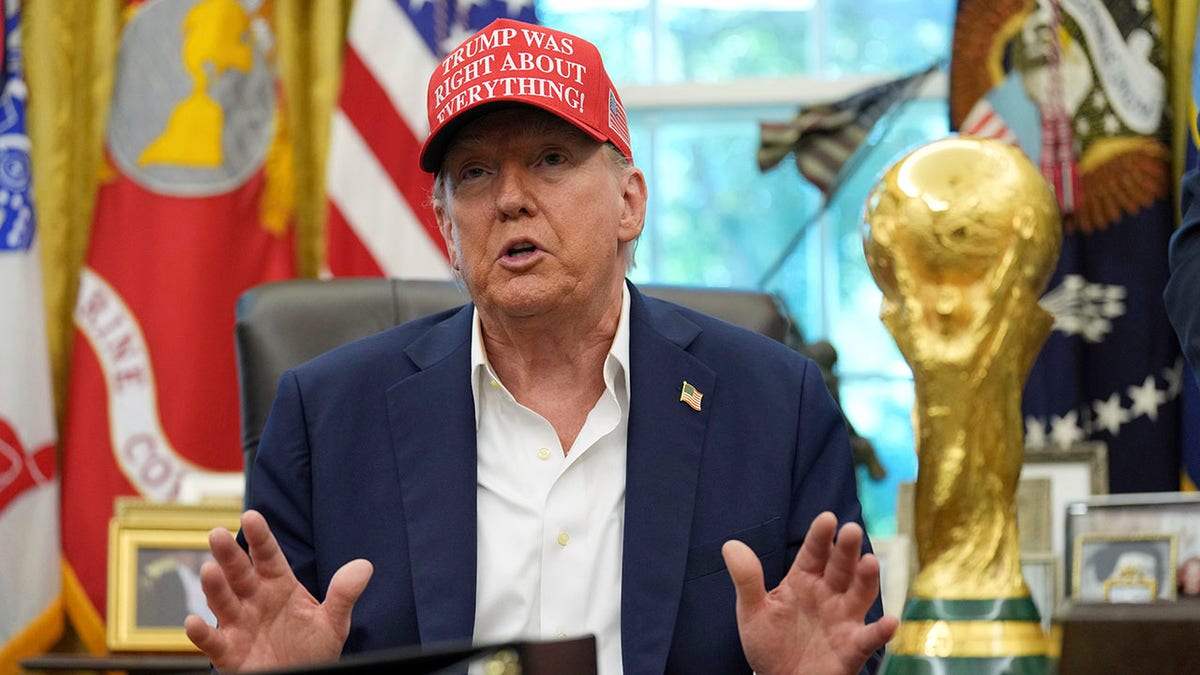
Donald Trump Claims US Had ‘Best Economy Ever’ in Father’s Day Message
Donald Trump claimed on Father’s Day 2024 that the United States enjoyed its “best economy ever” during his presidency. Through a post on Truth Social, the former president used the holiday to broadcast his economic record and criticize the current administration’s performance, framing his previous term as a period of unparalleled prosperity compared to the present economic climate.
The former president’s message, released on June 16, 2024, focused heavily on economic metrics and military strength. He characterized the current state of the country as declining, while asserting that the nation was “doing great” under his leadership. This messaging comes as the 2024 presidential campaign intensifies, with economic policy serving as a primary battleground between the Republican and Democratic platforms.
While Trump’s claims have been characterized by some media outlets, such as The Daily Beast, as an “angry rant,” the core of his message centered on the contrast between his administration’s pre-pandemic indicators and the current inflationary environment. He specifically highlighted the strength of the U.S. military and the perceived superiority of the economic conditions during his time in the White House.
What specific claims did Donald Trump make regarding the economy?
In his social media communication, Trump asserted that the American economy reached heights that had never been seen before in the history of the nation. He used the Father’s Day occasion to connect his personal role as a father to his political identity, suggesting that his economic policies were designed to protect the prosperity of American families.

The former president’s rhetoric frequently touches upon several key pillars: unemployment rates, stock market performance, and domestic manufacturing. During his 2017–2021 term, the U.S. saw several periods of record-low unemployment, particularly for minority groups, which he often cites as evidence of his success. He also claimed that his administration’s deregulation and tax policies were the primary drivers behind this growth.
However, economists often point out that the economic landscape of the late 2010s was influenced by a variety of global factors, including a long-standing period of low interest rates set by the Federal Reserve. Trump’s messaging tends to attribute nearly all positive economic shifts directly to his executive actions and legislative achievements, such as the Tax Cuts and Jobs Act of 2017.
How do recent economic indicators compare to the 2019 data?
To evaluate the claim of the “best economy ever,” it is necessary to compare the data from the final full year of the Trump administration (2019) with the current economic data from 2024. The primary points of contention between the two eras involve inflation, the cost of living, and the labor market.
In 2019, the U.S. experienced relatively low inflation, with the Consumer Price Index (CPI) remaining stable. In contrast, the post-pandemic era has been defined by a significant spike in inflation, driven by supply chain disruptions, increased consumer demand, and global energy shifts. While inflation has begun to cool in 2024, the cumulative effect on consumer prices remains a central concern for voters.
The following table provides a comparison of key economic metrics based on data from the Bureau of Labor Statistics (BLS) to provide context for these claims:
| Economic Metric | 2019 (Trump Administration) | 2024 (Current Period) |
|---|---|---|
| Unemployment Rate (Annual Avg) | Approximately 3.7% | Approximately 4.0% (as of June 2024) |
| Inflation Rate (CPI Annual Change) | Approximately 1.8% | Approximately 3.0% (as of June 2024) |
| GDP Growth Rate (Annual) | Approximately 2.3% | Varies (approx. 1.4% to 2.8% in recent quarters) |
The data shows that while unemployment remains historically low in both periods, the cost of living—represented by the inflation rate—is notably higher in the current period. This discrepancy is often the focal point of political debate, as voters frequently weigh the availability of jobs against the purchasing power of their wages.
Why is the economic message central to the 2024 election?
Economic performance is traditionally the most significant predictor of voter behavior in United States presidential elections. Both the Trump campaign and the Biden administration recognize that “kitchen table issues”—such as gas prices, grocery costs, and housing affordability—drive turnout and undecided voter sentiment.
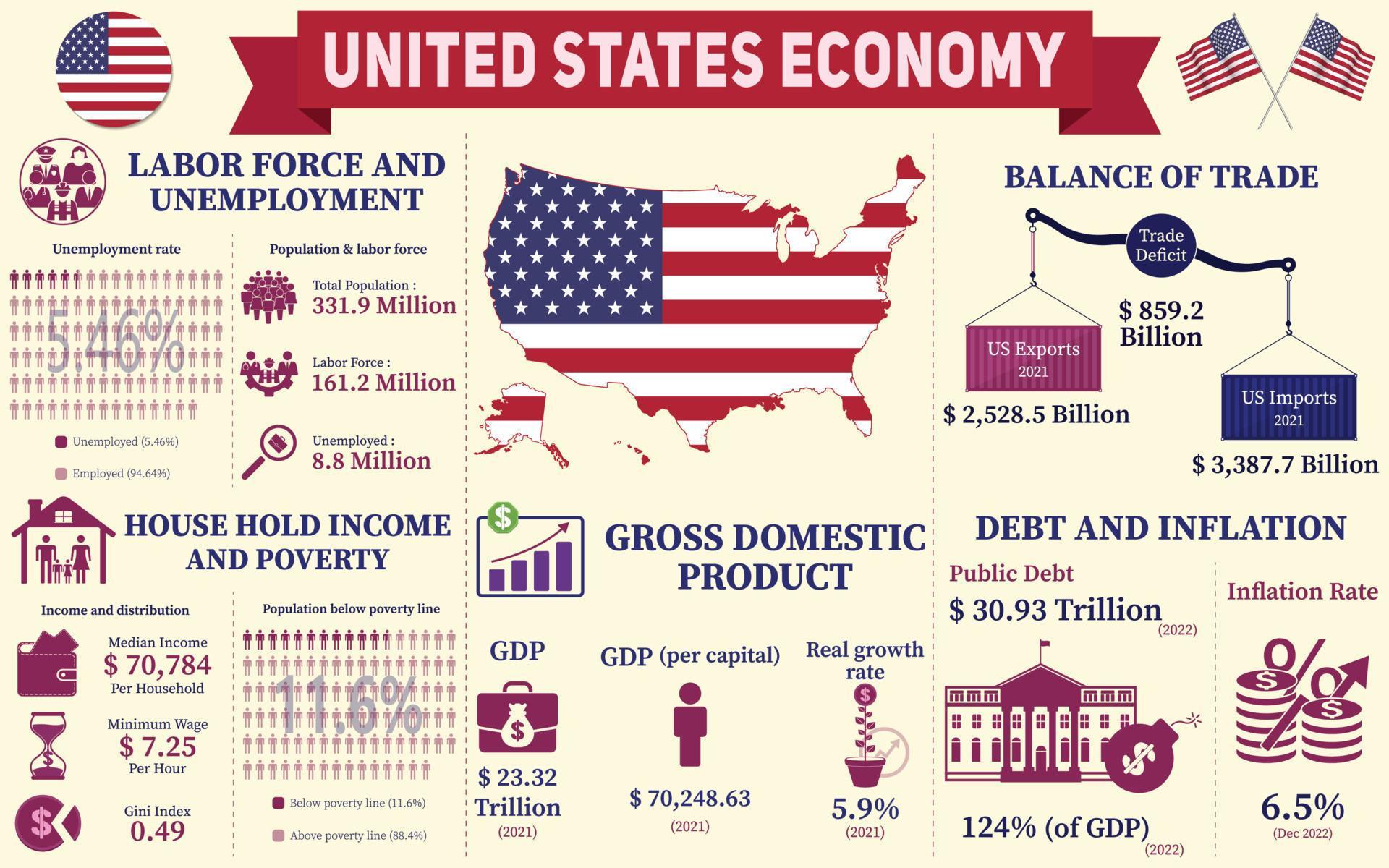
For the Trump campaign, the strategy involves a “reversion to greatness” narrative. By claiming the economy was at its peak during his term, he seeks to tap into the nostalgia for the pre-pandemic era. This approach aims to convince voters that the current economic struggles are not a natural part of a market cycle, but rather the direct result of current policy decisions.
Conversely, the current administration emphasizes job creation and the resilience of the American economy despite global instability. They point to strong GDP growth and a robust labor market that has remained steady despite high interest rates intended to combat inflation. The debate, therefore, is not just about the numbers, but about which era’s economic stability felt more tangible to the average citizen.
The impact of these competing narratives will likely be felt most acutely in swing states, where economic anxiety is often higher. As the campaign progresses, the ability of each candidate to define the “economic reality” will be a deciding factor in the electoral college outcome.
The next major economic update will be the release of the July Consumer Price Index by the Bureau of Labor Statistics, which will provide further insight into whether inflation is continuing its downward trend.
What are your thoughts on the current economic direction of the United States? Share this article and join the conversation in the comments below.
Keep reading