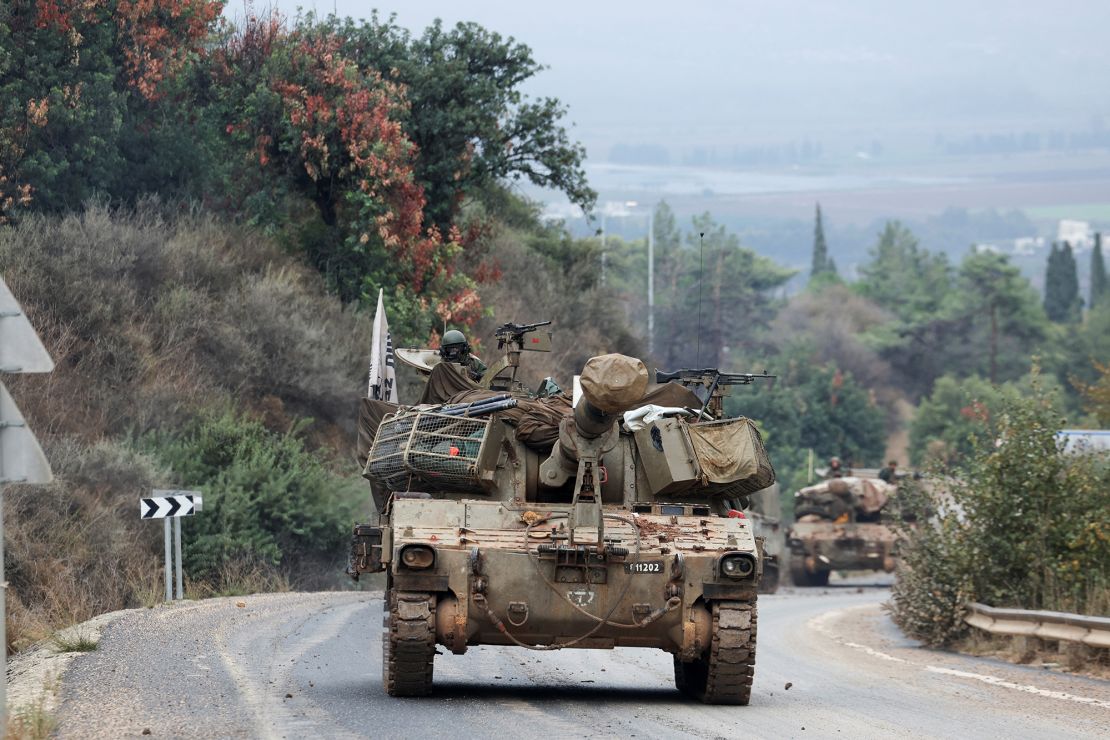
Israel will maintain its military presence at strategic locations in South Lebanon, including the historic Qala’at ash-Shaqif (Beaufort Castle), despite ongoing diplomatic efforts to broker a ceasefire. Israeli officials have indicated that these high-ground positions are essential for national security, even as international mediators attempt to navigate a potential agreement between regional stakeholders.
The decision to hold these positions comes amid conflicting reports regarding the scale of the Israel Defense Forces (IDF) presence in the region. While some military reports suggest a potential reduction in troop numbers in the coming days, high-ranking officials, including Prime Minister Benjamin Netanyahu and Foreign Minister Israel Katz, have emphasized that a full withdrawal from key tactical sites remains off the table.
Why is Israel refusing to withdraw from Qala’at ash-Shaqif?
The refusal to vacate Qala’at ash-Shaqif, also known as Beaufort Castle, is rooted in the site’s significant tactical advantages. Located on a high ridge overlooking the border between Israel and Lebanon, the fortress provides a commanding view of the surrounding terrain, making it a vital observation post for monitoring movement in South Lebanon.

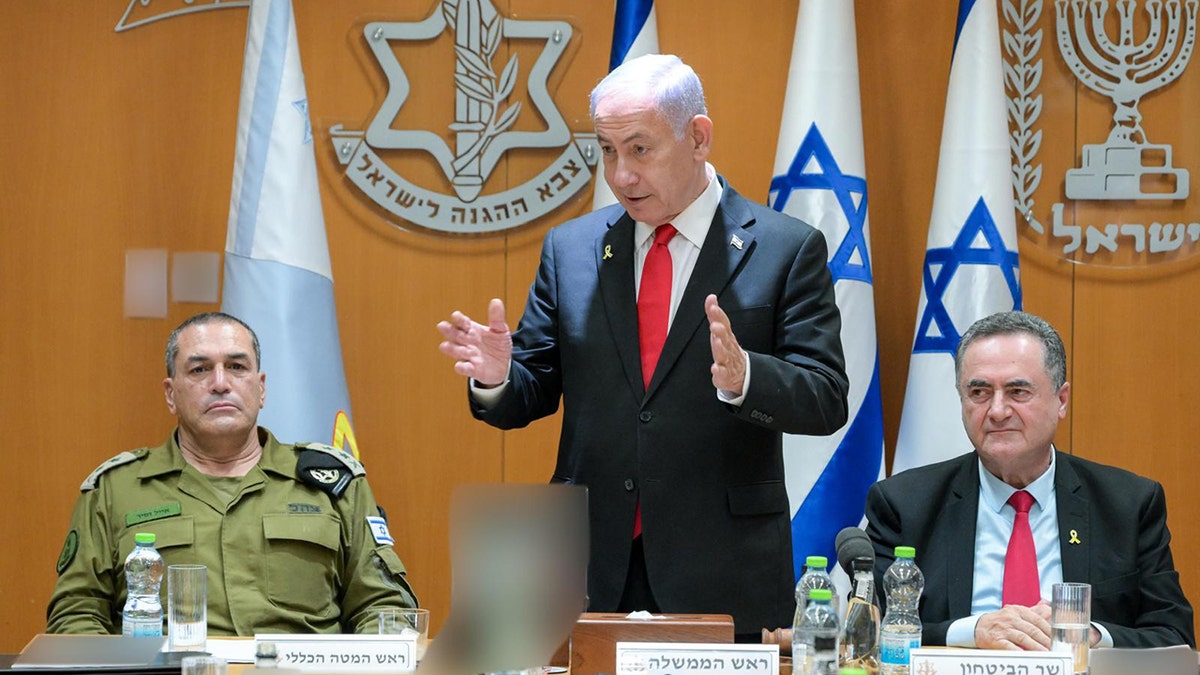
Foreign Minister Israel Katz has signaled that the government’s position on these strategic points remains firm, even if it diverges from broader diplomatic understandings involving Washington and Tehran. According to reports from Reuters and other international news agencies, the Israeli leadership views the control of such high-ground positions as a non-negotiable component of its security doctrine during the current conflict with Hezbollah.
Military analysts suggest that abandoning Beaufort Castle could create a security vacuum, allowing Hezbollah militants to re-establish positions that could threaten northern Israeli communities. By maintaining a presence at Qala’at ash-Shaqif, the IDF aims to ensure a buffer that prevents the regrouping of hostile forces near the Blue Line.
What is the current status of the Israel-Lebanon ceasefire talks?
Negotiations regarding a cessation of hostilities are reportedly ongoing, with significant diplomatic activity centered in Switzerland. These talks aim to establish a sustainable framework that addresses Israel’s security requirements while potentially allowing for the stabilization of the Lebanese border.
The diplomatic landscape is complex, involving mediation from the United States and France to bridge the gap between the demands of the Israeli government and the interests of regional actors. A central point of contention in these discussions is the exact nature of the Israeli military’s withdrawal. While some international proposals advocate for a return to the pre-conflict status quo, the Israeli government has insisted on maintaining a security presence in specific zones of South Lebanon to prevent future escalations.
The tension between military objectives and diplomatic pressure is visible in the differing stances of government officials. While diplomats work on the nuances of a “Washington-Tehran understanding,” the Israeli cabinet remains focused on the immediate tactical necessity of occupying key terrain to mitigate the threat of rocket fire and ground incursions.
How does the Israeli military view the stability of a potential truce?
The Israeli military leadership has expressed significant skepticism regarding the durability of any proposed ceasefire. The Israeli Chief of Staff has characterized any potential truce in Lebanon as “fragile,” warning that the military remains prepared to resume combat operations if the terms of an agreement are violated.
This stance reflects a broader military assessment that Hezbollah’s capabilities and intent remain high. The IDF’s readiness to re-engage suggests that the current period of relative calm is viewed as a tactical pause rather than a permanent resolution to the conflict. This “readiness to fight” serves as a deterrent and a signal to both Lebanese and Iranian-aligned forces that Israel will not tolerate a breach of the security arrangements.
The Chief of Staff’s comments underscore the difficulty in establishing a ceasefire that is both acceptable to the Israeli public and enforceable on the ground. Without a robust mechanism to monitor compliance and a clear mandate for the forces stationed along the border, the military views the risk of renewed hostilities as a constant factor.
Will the IDF reduce its presence in South Lebanon?
There is a notable discrepancy in recent reports concerning the movement of Israeli troops in the southern theater. While political leaders emphasize the necessity of staying, the Israeli Broadcasting Authority has reported that the army may begin a measured reduction of its forces in South Lebanon in the coming days.
This potential reduction does not necessarily imply a total withdrawal from the region. Instead, it may represent a shift from large-scale combat formations to more specialized, stationary defensive positions. Such a move would allow Israel to maintain its strategic hold on critical sites like Qala’at ash-Shaqif while reducing the logistical burden and personnel exposure of its forces in less contested areas.
The implementation of any troop reduction would likely be a phased process, contingent upon the progress of diplomatic negotiations and the assessment of local security conditions. The IDF must balance the need for a visible deterrent with the political pressure to de-escalate the conflict and move toward a stable border arrangement.
Comparison of Israeli Stances on South Lebanon

| Source/Entity | Reported Position | Primary Objective |
|---|---|---|
| Foreign Minister Israel Katz | Will not withdraw from Qala’at ash-Shaqif | Maintaining tactical high ground |
| Prime Minister Netanyahu | Insists on continued military presence | National security and border control |
| Israeli Broadcasting Authority | Potential reduction of forces in coming days | |
| IDF Chief of Staff | Ceasefire is fragile; ready to resume fighting | Operational readiness and deterrence |
Key Takeaways: The Security-Diplomacy Divide
- Strategic Hold: Israel remains committed to occupying key high-ground positions like Beaufort Castle to maintain surveillance and prevent Hezbollah incursions.
- Negotiation Tension: There is a clear disconnect between the diplomatic efforts in Switzerland and the military’s refusal to yield tactical advantages.
- Conditional Truce: The Israeli military views any ceasefire as highly unstable and maintains full readiness to resume combat operations.
- Conflicting Reports: Reports vary between a firm refusal to withdraw and a potential, phased reduction of troops in specific areas.
The next critical checkpoint in this developing situation will be the subsequent round of diplomatic talks in Switzerland, where the specific terms of the Israeli military presence in South Lebanon are expected to be a primary agenda item. Official updates from the Israeli Ministry of Foreign Affairs or the IDF are anticipated following these sessions.
What are your thoughts on the implications of Israel’s refusal to withdraw from strategic sites in Lebanon? Share your views in the comments below and share this article to keep the conversation going.
Worth a look