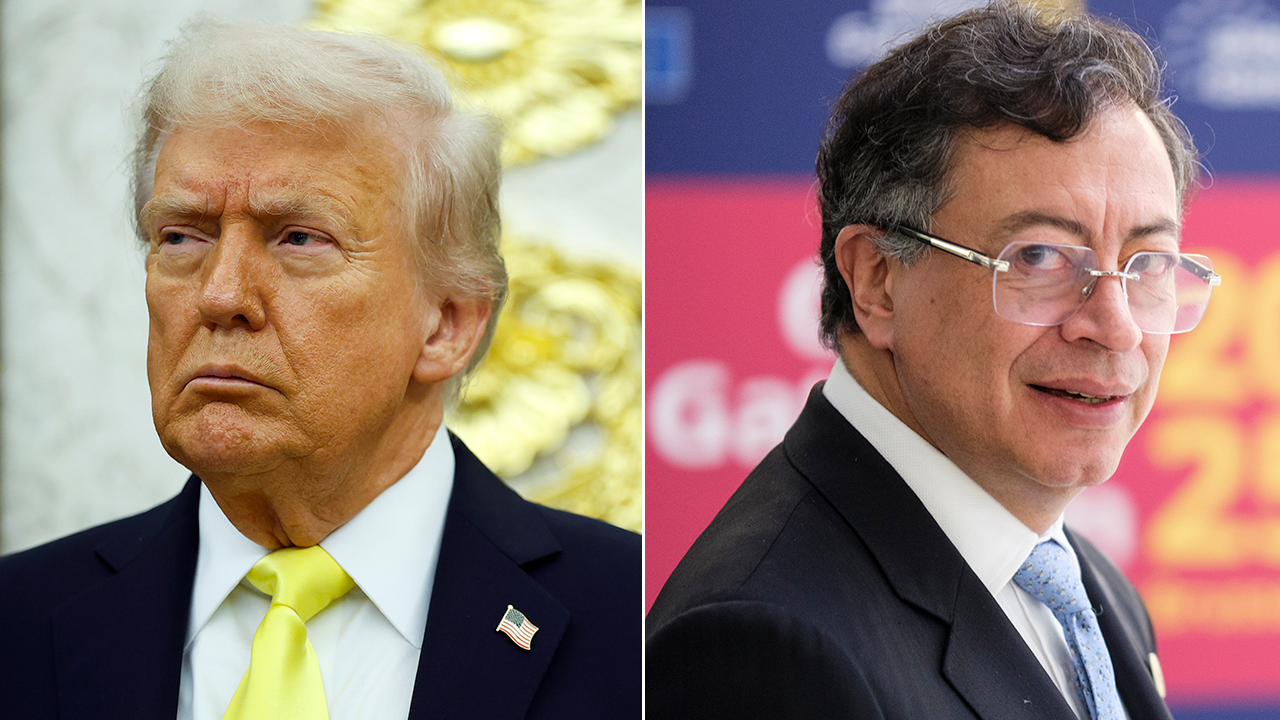
Political analysts and international observers are closely monitoring the evolving electoral landscape in Colombia as the country moves toward a presidential election cycle that has drawn comparisons to the populist political strategies often associated with former U.S. President Donald Trump. While Colombian electoral law remains distinct from U.S. systems, shifting voter sentiments and the rise of candidates emphasizing anti-establishment rhetoric and security-focused platforms have altered the traditional political map in Bogotá, according to reporting by Reuters on regional political trends.
The core of this shift lies in the growing frustration among Colombian voters regarding economic instability and security concerns. As identified by the International Institute for Democracy and Electoral Assistance (IDEA), the region is experiencing a notable trend where voters are increasingly turning away from traditional political parties in favor of figures who promise rapid, often disruptive, structural changes. This phenomenon, which observers have labeled as a “Trump-style” approach, focuses on direct communication with the electorate and a rejection of legacy political institutions.
The Shift in Colombian Voter Sentiment
The current political climate in Colombia is defined by a deep-seated dissatisfaction with the status quo. According to recent data from the Latinobarómetro Corporation, public trust in traditional institutions in Latin America is at a historic low, a sentiment that is acutely felt in Colombia as the nation prepares for its next major electoral contest. Candidates who align themselves with the “anti-establishment” label are finding success by framing their campaigns around the promise of restoring order and prioritizing national sovereignty.

This strategic pivot is not merely rhetorical. It represents a fundamental change in how political campaigns are managed in the country. By utilizing social media platforms to bypass traditional media gatekeepers, these candidates are effectively reaching rural and urban demographics that have previously felt ignored by the political elite in the capital. As noted by the Wilson Center’s Latin American Program, this direct-to-voter strategy has become a hallmark of modern conservative movements across the Americas, creating a shared tactical language between politicians in different hemispheres.
Policy Implications and Regional Stability
The potential victory of a candidate favoring these populist methods carries significant weight for Colombia’s international relations, particularly regarding the country’s longstanding security partnership with the United States. Historically, Colombia has served as a cornerstone of U.S. foreign policy in the region, acting as a primary ally in efforts to combat narcotics trafficking and organized crime. Changes in leadership that shift away from this model could necessitate a recalibration of bilateral agreements.

According to the Congressional Research Service, U.S. engagement with Colombia is governed by a complex framework of security assistance and trade agreements that have been in place for decades. Any move by a new administration to drastically alter these policies would likely face significant scrutiny from the U.S. Congress and international financial institutions. The economic impact of such a shift remains a primary concern for investors, as the Colombian peso remains sensitive to political volatility, a fact documented in recent market analyses by the International Monetary Fund (IMF).
Comparing Political Strategies
The term “Trump-style” is frequently used by international media to describe the specific brand of populism emerging in Colombia, yet experts caution against assuming a perfect alignment of interests. While the campaign tactics—such as the use of provocative language and the framing of opponents as corrupt—may mirror those seen in the United States, the policy priorities in Colombia are deeply rooted in domestic issues like the implementation of the 2016 peace accord and the management of mass migration from neighboring Venezuela.
For a clearer understanding of how these political dynamics differ, consider the following points of divergence:
- Institutional Context: Unlike the U.S. two-party system, Colombia’s political landscape is fragmented, often requiring candidates to build complex coalitions in the Congress to pass legislation, as outlined by the Electoral Geography project.
- Security Focus: While U.S. populist rhetoric often centers on border security, the Colombian equivalent is heavily focused on rural territorial control and the reduction of violence related to illegal armed groups.
- Economic Policy: Candidates in Colombia are navigating a landscape defined by high inflation and a transition away from fossil fuel dependency, issues that require distinct legislative solutions compared to the U.S. economic agenda.
What Happens Next
The next major checkpoint in this electoral cycle will be the formal registration of presidential candidates and the subsequent release of official campaign platforms. The Registraduría Nacional del Estado Civil, which oversees all electoral processes in Colombia, is expected to provide a definitive calendar for the upcoming primaries and the general election date in the coming months. International observers from groups like the Organization of American States (OAS) are expected to monitor these developments to ensure compliance with constitutional mandates.
As the campaign season intensifies, voters are encouraged to track official updates through the government’s electoral portal to distinguish between campaign rhetoric and verified policy proposals. We invite our readers to share their perspectives on these developments in the comments section below, as we continue to provide in-depth, verified reporting on the shifting political dynamics in South America.
Related reading