
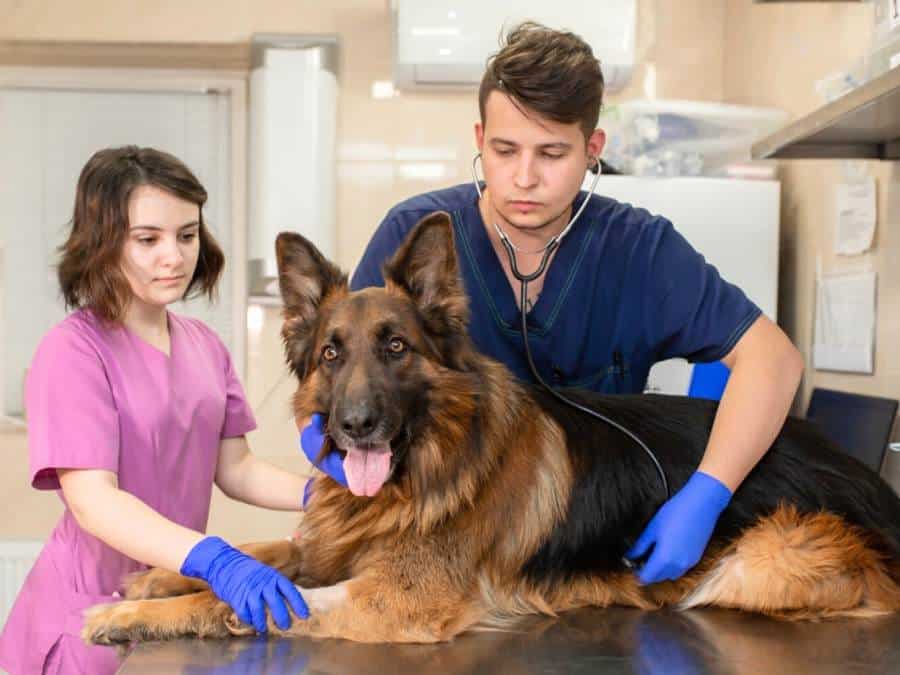
Veterinary medicine is increasingly moving into highly specialized clinical niches, ranging from marine mammal dentistry to advanced orthopedic surgery for domestic animals. Recent clinical focuses highlighted in the veterinary documentary series Vétérinaires, leur vie en direct demonstrate the growing complexity of treating both wildlife, such as seals, and domestic breeds, such as German Shepherds, through advanced surgical interventions.
The expansion of veterinary specializations reflects a broader trend in animal healthcare, where practitioners are moving away from general practice toward expertise in specific biological systems. This shift is particularly evident in the management of dental pathologies in pinnipeds and the implementation of prosthetic technology in canine orthopedic cases.
How do veterinarians manage dental health in marine mammals?
Dental health in pinnipeds, including seals and sea lions, is a critical component of their survival and overall physiological stability. Unlike domestic pets, marine mammals face unique environmental challenges that can exacerbate dental decay and periodontal disease. Veterinarians working with these species must account for the specific biomechanics of their jaws and the aquatic environments in which they live.

According to marine biology research, dental health in seals is vital for successful foraging. Pinnipeds rely on specialized dentition to grip, pierce, and manipulate prey such as fish and cephalopods. When dental disease occurs, it can lead to:

- Inability to hunt: Malocclusion or broken teeth can prevent a seal from securing sufficient caloric intake.
- Secondary infections: Oral abscesses in marine mammals can lead to systemic infections, affecting vital organs.
- Nutritional deficiencies: Pain during feeding can lead to weight loss and weakened immune responses.
Treating these animals requires specialized anesthesia protocols. Because many pinnipeds are semi-aquatic, veterinarians must manage the high risk of aspiration and the physiological stress of being removed from water for dental procedures. The precision required for marine mammal dentistry involves different instrumentation than that used in terrestrial clinics, often requiring tools that can withstand saltwater exposure and operate in high-moisture environments.
The medical necessity of canine hip prosthetics
In domestic veterinary medicine, orthopedic surgery has seen significant technological advancement, particularly regarding hip dysplasia. This condition, which involves the malformation of the hip joint, is highly prevalent in large-breed dogs, including German Shepherds. When conservative management—such as physical therapy or medication—fails to provide mobility, surgical intervention becomes the primary clinical pathway.
Total Hip Replacement (THR) is one of the most complex procedures performed by veterinary orthopedic surgeons. The goal of the surgery is to replace the damaged or malformed femoral head and acetabulum with a prosthetic implant, typically made of medical-grade materials like cobalt-chrome or highly cross-linked polyethylene. This procedure aims to:
- Eliminate bone-on-bone contact: Reducing the friction that causes chronic pain.
- Restore joint stability: Allowing the dog to regain a natural gait.
- Prevent secondary osteoarthritis: Stopping the degenerative changes in the rest of the limb.
Clinical outcomes for canine hip prosthetics depend heavily on the surgeon’s precision and the post-operative rehabilitation protocol. For breeds like the German Shepherd, which are prone to significant weight and activity levels, the selection of the correct implant size and the stability of the bone-to-implant interface are the most critical factors for long-term success.
Comparing specialized veterinary environments
The clinical requirements for treating a seal versus a domestic dog highlight the vast differences in veterinary specialization. While both require high-level surgical skill, the operational environments and biological objectives differ significantly.

| Feature | Marine Mammal Dentistry | Canine Orthopedics |
|---|---|---|
| Primary Objective | Survival and foraging capability | Quality of life and mobility |
| Environment | Controlled aquatic/semi-aquatic settings | Standard clinical surgical suites |
| Key Challenge | Anesthesia and moisture management | Implant integration and weight bearing |
| Patient Type | Wildlife/Conservation focus | Domestic/Companion focus |
While the marine mammal practitioner focuses on maintaining the animal’s ability to function within a wild ecosystem, the canine orthopedic surgeon focuses on managing the chronic degenerative diseases common in domesticated, bred-for-size populations. Both fields, however, rely on the same fundamental principles of advanced imaging, precise anesthesia, and specialized surgical instrumentation.
Frequently Asked Questions
Is hip replacement surgery common for dogs?
While not as common as standard procedures like spaying or neutering, Total Hip Replacement is an increasingly standard option for high-value or highly active dogs suffering from severe hip dysplasia or osteoarthritis.
Can dental issues in seals be prevented?
In managed environments, such as aquariums or rehabilitation centers, veterinarians can monitor dental health through regular examinations. In the wild, prevention is difficult, and management often focuses on treating acute issues that threaten the animal’s ability to feed.
How long is the recovery for a dog after hip surgery?
Recovery typically involves several weeks of strictly controlled activity, often including physical therapy and specialized confinement, to allow the bone to heal around the prosthetic implant.
The next phase of research into veterinary prosthetics will likely focus on biodegradable materials and more advanced 3D-printed implants tailored to individual animal anatomy. For updates on veterinary medical advancements and animal health policy, stay tuned to our science and health desk.
Do you have questions about veterinary specialization or animal orthopedic care? Share your thoughts in the comments below and share this article with your network.