
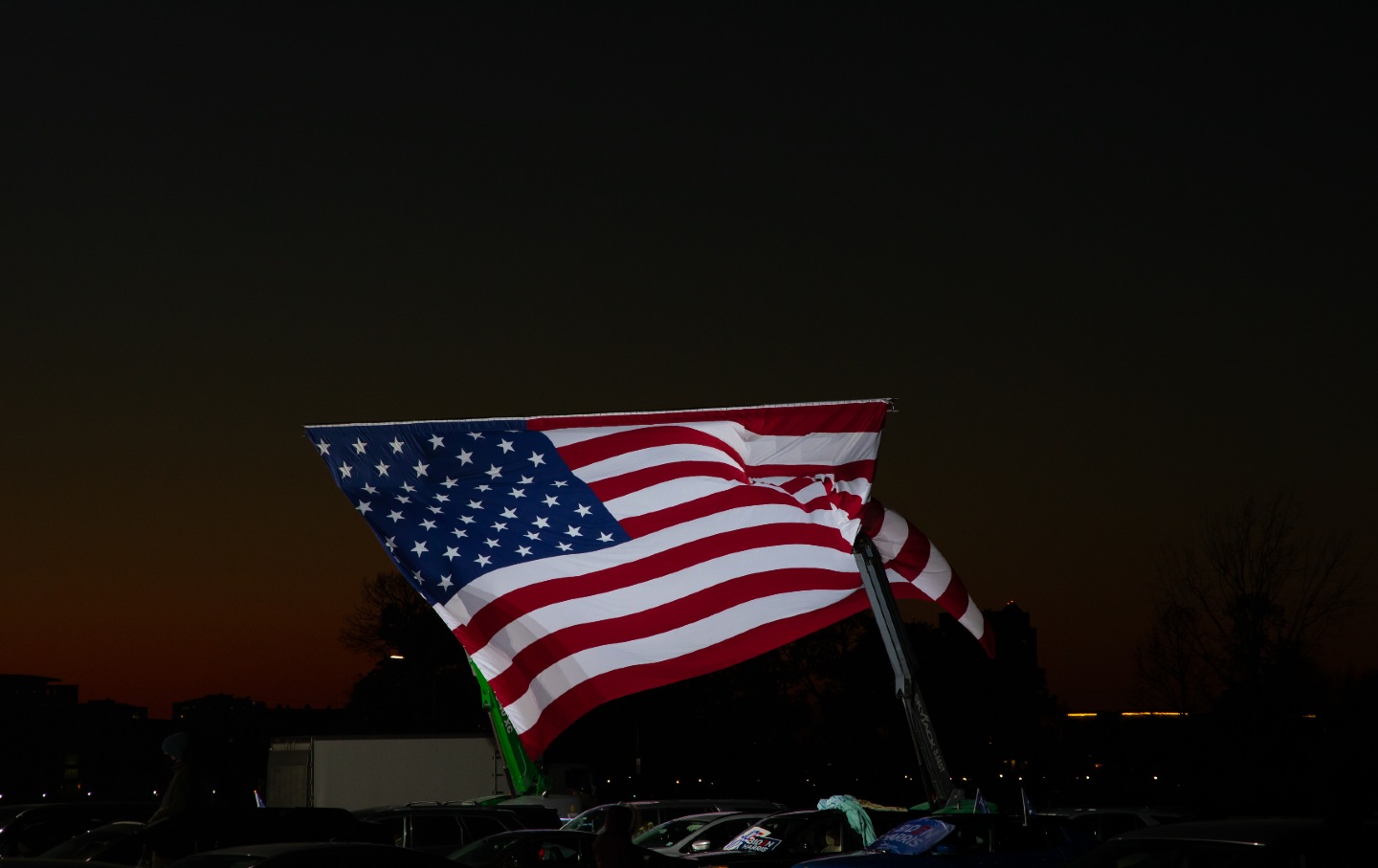
American national celebrations and historical anniversaries have increasingly become flashpoints for political polarization, as different factions use these events to advance competing visions of national identity. Rather than serving as unifying civic moments, holidays such as Independence Day and Juneteenth are frequently framed through the lens of partisan ideological struggles.
The shift toward partisan celebrations reflects a broader trend in United States politics where shared symbols and historical narratives are contested. Political analysts observe that the way Americans commemorate their history often signals their alignment with specific political movements, turning once-broadly accepted traditions into markers of identity politics.
This division is most visible in how various groups interpret the nation’s founding documents and its historical progress. While some emphasize the continuity of democratic ideals, others focus on the systemic failures and injustices that have defined much of the American experience. This tension has moved from academic circles into the mainstream political discourse, influencing how holidays are observed and how history is taught in schools.
Why have American holidays become so politically charged?
The politicization of national anniversaries stems from a fundamental disagreement over the central narrative of the United States. According to political scientists, the “culture wars” in America have expanded to include the calendar, with holidays serving as stages for ideological performance. When a group celebrates a specific event, they are not just marking a date; they are endorsing a particular interpretation of what the country stands for.

For many, celebrating the nation’s founding is an act of affirming the principles of liberty and individual rights established in the late 18th century. For others, these celebrations can feel exclusionary if they do not explicitly acknowledge the historical presence of slavery, displacement of Indigenous populations, or systemic inequality. Consequently, the act of celebration itself becomes a political statement.
This phenomenon is driven by several factors, including:
- Identity Signaling: Using specific holidays to signal membership in a political or social group.
- Narrative Control: Attempts by political leaders to define the “correct” version of American history.
- Media Amplification: News outlets and social media platforms highlighting the most contentious aspects of holiday celebrations to drive engagement.
How do different historical interpretations clash?
The tension between competing historical narratives is best illustrated by the recent debates surrounding the origins and meaning of the American story. This clash is often characterized by a preference for either a “triumphalist” narrative or a “critical” narrative.

The triumphalist view focuses on the progress of the American project. It emphasizes the genius of the Founding Fathers and the enduring strength of the Constitution. Proponents of this view argue that the nation’s institutions provide a framework for constant improvement and that celebrating these foundations is essential for social stability. This perspective was central to the establishment of the 1776 Commission by the Trump administration in 2020, which sought to promote “patriotic education” and counter what it described as a “woke” agenda in history curricula.
In contrast, the critical narrative views American history through the lens of struggle and systemic injustice. This perspective argues that the nation’s founding and subsequent growth cannot be understood without centering the experiences of those marginalized by the law. A prominent example of this is The 1619 Project, published by The New York Times in 2019, which sought to reframe the year slavery arrived in the American colonies as a foundational moment in the nation’s history. The project sparked intense debate among historians and politicians regarding its accuracy and its impact on how American history is taught.
The following table compares the core focuses of these two dominant historical perspectives:
| Feature | Triumphalist Perspective | Critical Perspective |
|---|---|---|
| Primary Focus | Founding principles and democratic progress. | Systemic inequality and historical struggle. |
| View of Founders | Architects of liberty and essential leaders. | Complex figures with significant contradictions. |
| Role of History | To inspire unity and national pride. | To examine truth and address injustices. |
| Key Example | The 1776 Commission. | The 1619 Project. |
What is the impact of Juneteenth as a federal holiday?
The establishment of Juneteenth as a federal holiday in 2021 serves as a recent case study in how historical recognition can become a partisan issue. Juneteenth commemorates June 19, 1865, the date when enslaved people in Galveston, Texas, were informed of their freedom, two years after the Emancipation Proclamation was signed. While the holiday was intended to expand the American narrative to include the Black experience, its implementation saw significant political friction.
During the legislative process, some lawmakers expressed concerns regarding the cost of the holiday and its potential to prioritize certain historical narratives over others. Conversely, supporters argued that the holiday was a long-overdue recognition of a fundamental chapter in American history. The debate surrounding Juneteenth highlighted how even the act of official recognition can be used to draw lines between political factions.
The reaction to Juneteenth demonstrated that for many Americans, the addition of new holidays is not seen as a simple expansion of the calendar, but as a shift in the nation’s cultural and political priority. This has led to a landscape where the observance of Juneteenth is often viewed through a partisan lens, depending on whether the observer views it as a step toward reconciliation or as part of a broader ideological shift.
How does political rhetoric shape national celebrations?
Political leaders frequently use national anniversaries as platforms for major policy announcements or ideological rallying cries. Instead of using these dates to foster broad consensus, speeches delivered on the Fourth of July or other significant dates often focus on mobilizing a specific political base. When leaders frame a holiday as a defense of “traditional values” or a call to “overthrow systemic oppression,” they reinforce the partisan nature of the event.
This rhetoric often relies on the concept of “symbolic politics.” By claiming ownership over a holiday or a historical figure, politicians can create a sense of urgency and identity among their supporters. This can lead to a cycle where each side views the other’s interpretation of a holiday as an attack on the nation itself, further entrenching the divide.
The consequences of this include:
- Decreased Social Cohesion: A lack of shared understanding makes it harder to find common ground on other policy issues.
- Educational Conflict: Debates over historical interpretation frequently spill over into school board meetings and state legislatures, affecting what students learn.
- Civic Disengagement: For some citizens, the highly charged nature of these celebrations may lead to a sense of alienation from national civic life.
Key Takeaways: The Politicization of American History
- Identity Markers: National holidays have shifted from unifying events to indicators of political and ideological identity.
- Narrative Conflict: The primary tension exists between interpretations that emphasize American ideals and those that emphasize historical injustices.
- Institutional Impact: This divide influences federal holiday designations, educational standards, and political rhetoric.
- Social Consequences: The partisan framing of history can impact social cohesion and the ability to maintain a shared national story.
As the United States moves toward upcoming major anniversaries, the debate over how to interpret and celebrate its history is expected to remain a central feature of the political landscape. Observers will be watching how upcoming legislative sessions and educational policy changes address these cultural tensions.
What are your thoughts on how national holidays should be observed in a divided country? Share this article and join the conversation in the comments below.