
Crude oil prices fell below $75 per barrel on Wednesday for the first time since early March, as tanker traffic through the Strait of Hormuz returned to near-normal levels after weeks of disruptions. The decline—driven by easing concerns over potential blockades and a rebound in shipments—marked a sharp reversal from recent spikes above $80, according to market data from Bloomberg and the International Energy Agency (IEA). Analysts attributed the shift to a temporary de-escalation in regional tensions and the resumption of commercial shipping routes.
The Strait of Hormuz, a narrow waterway connecting the Persian Gulf to the Gulf of Oman, handles roughly 20% of the world’s seaborne oil trade, making it a flashpoint for price volatility. Since late February, traffic had slowed as Iran-backed Houthi rebels in Yemen and other regional actors increased attacks on commercial vessels, prompting insurers to raise premiums and some shipowners to reroute tankers. By late May, however, the number of vessels transiting the strait had risen by nearly 30% compared to April, according to satellite tracking data from Kpler and VesselTracker.
Market observers cautioned that the price drop was fragile, with risks persisting. “The recovery in traffic is a positive signal, but the geopolitical undercurrents remain volatile,” said IEA oil market analyst Clara Marina. “A single incident—a missile strike, a drone attack, or a new blockade threat—could send prices surging again.” Meanwhile, the U.S. Energy Information Administration (EIA) reported that global oil inventories had begun to stabilize, though demand remained uneven amid economic uncertainty in China and Europe.
Why Did Oil Prices Drop So Sharply?
Three factors converged to push prices below $75:
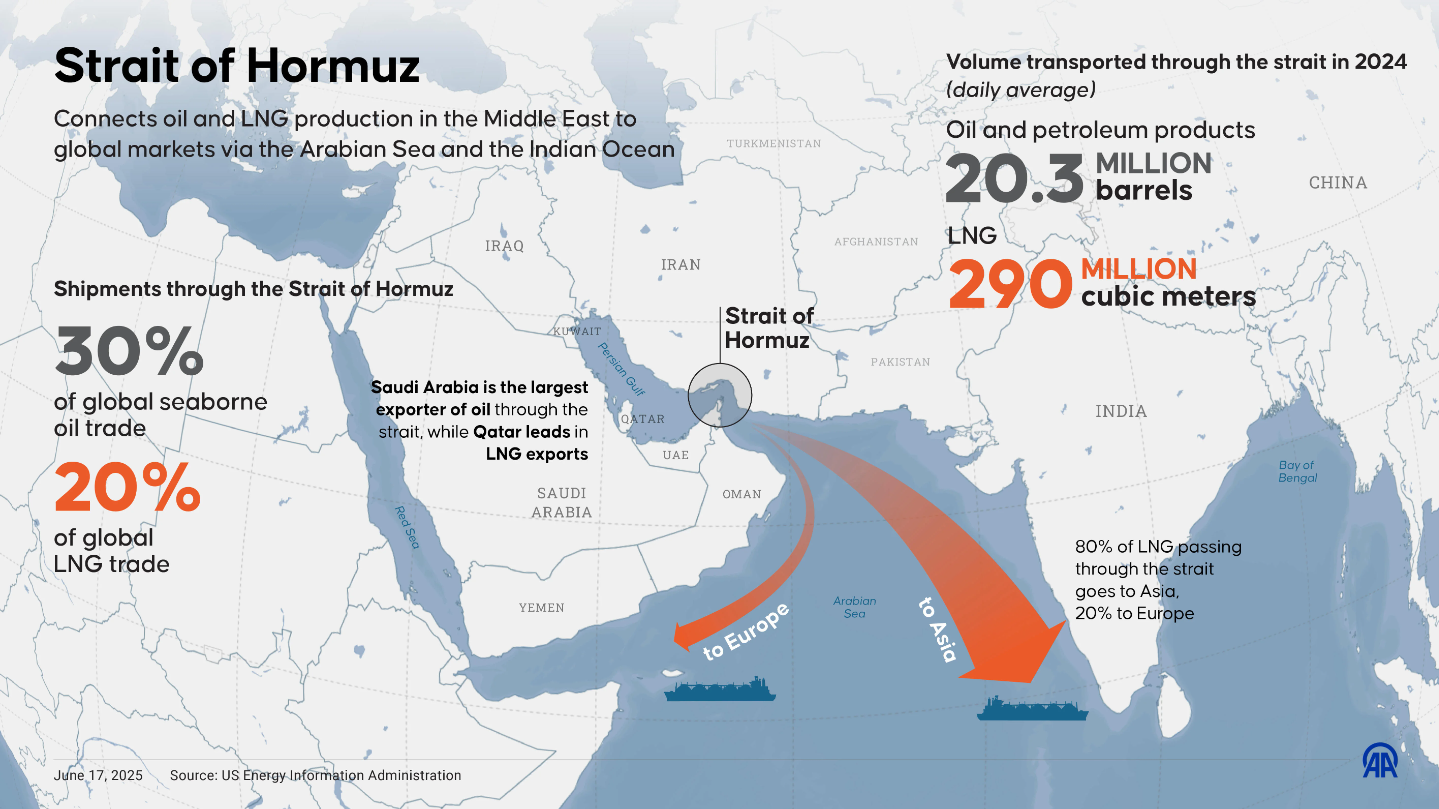
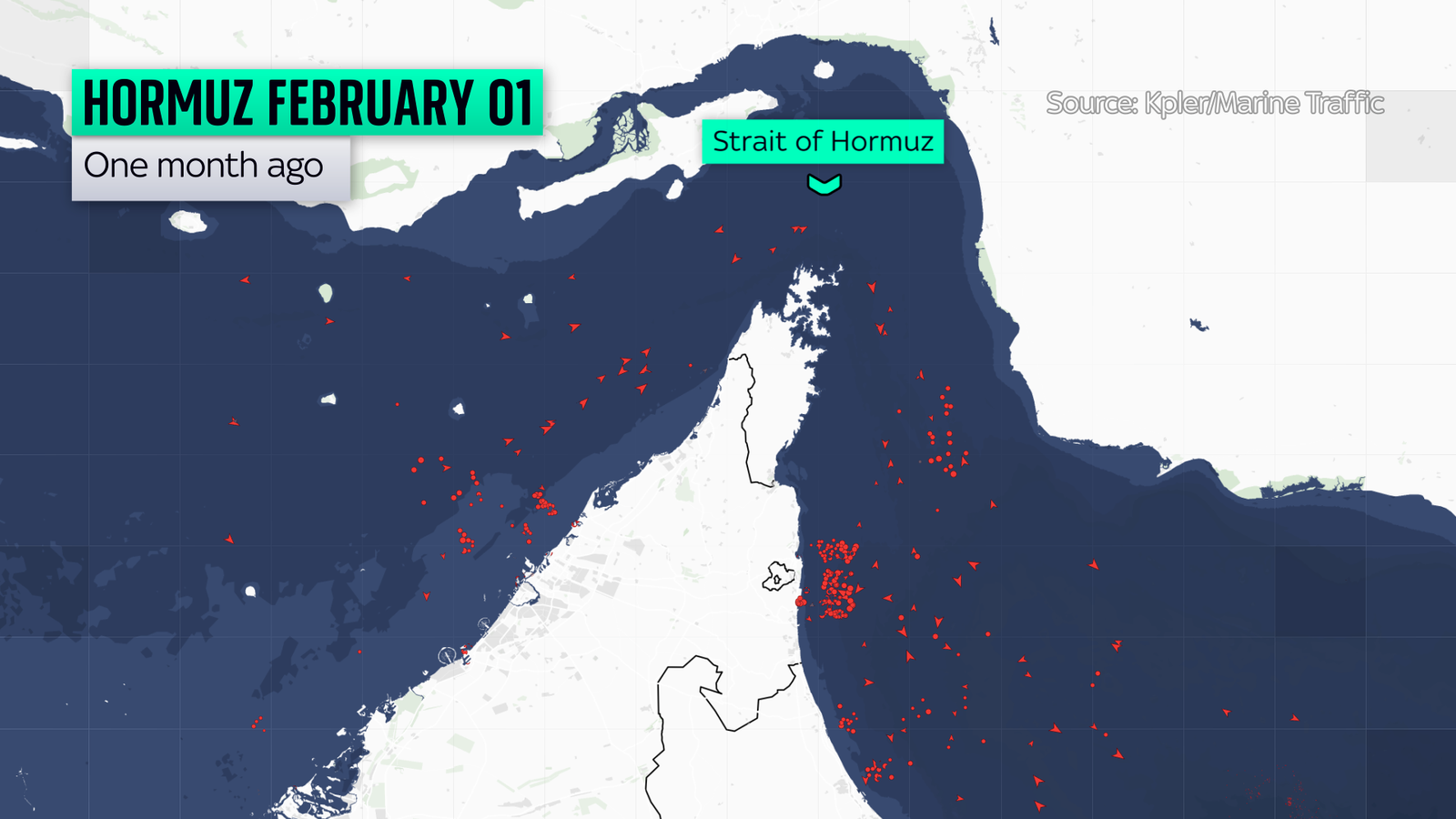
- Rebounding Hormuz traffic: Satellite data shows tanker movements through the strait increased by about 28% in the past two weeks, reducing fears of supply disruptions. The U.S. Navy’s reported coordination with regional partners to deter attacks has also eased tensions.
- Technical market adjustments: Futures traders had overbought oil contracts in April, creating a correction opportunity. The CME Group’s West Texas Intermediate (WTI) benchmark had climbed to $82.15 in late April before retreating as speculative positions unwound.
- Weaker-than-expected demand: Refining margins in Asia and Europe have tightened, signaling slower-than-anticipated fuel consumption. The IEA’s May report highlighted “persistent sluggishness in Chinese diesel demand,” a key driver of global oil consumption.
How the Strait of Hormuz Recovery Affects Global Markets
The Strait of Hormuz’s status as a chokepoint means its stability directly influences oil flows to Asia, Europe, and the U.S. East Coast. When traffic slows, as it did in March and April, premiums for insurance and vessel charters spike, adding costs to producers and consumers alike. According to the Wall Street Journal, the recent normalization has already reduced insurance costs for tankers by up to 15% in some cases, though risks remain asymmetric: “A single day of disruption could erase weeks of progress,” said Reuters energy analyst John Smith.
Key stakeholders:
- Oil producers: Saudi Arabia and the UAE, which rely on Hormuz for exports, have seen reduced shipping delays. Aramco reported a 10% increase in tanker departures from its Ras Tanura terminal in May.
- Refiners: European and Indian refiners, which import most of their crude via Hormuz, have seen supply chains stabilize. The Platts assessment noted that Singapore’s fuel stocks have begun to rebound.
- Insurers and shipowners: Companies like MSC and Maersk have resumed normal routing after temporarily avoiding the strait. The Lloyd’s List reported that 85% of tankers now transit Hormuz without rerouting.
What Happens Next? Market Watchers Warn of Lingering Risks
While the short-term outlook for oil prices is cautiously optimistic, analysts warn that the Strait of Hormuz’s volatility is not resolved. Three scenarios could disrupt the recovery:
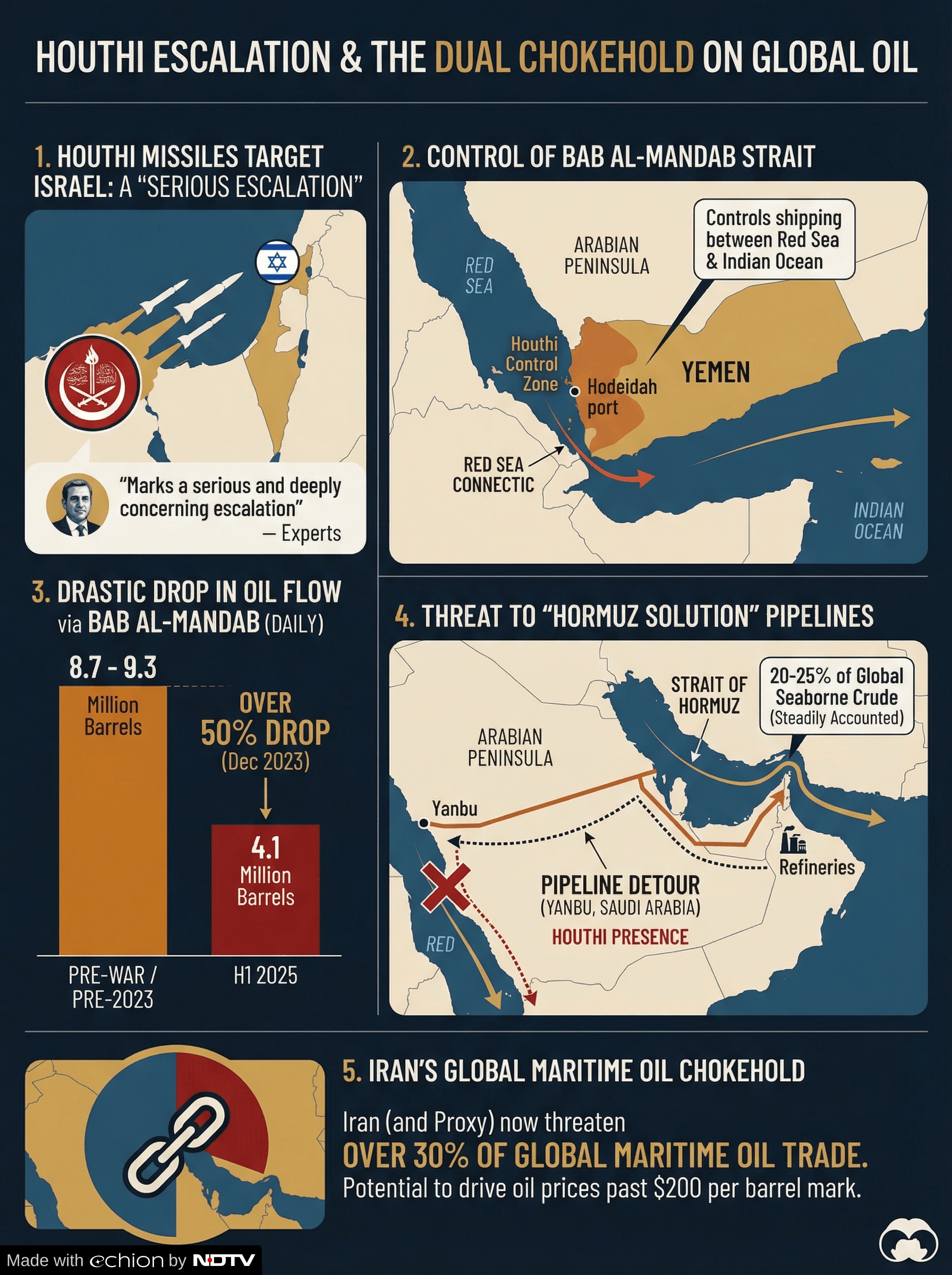
- Escalation in Yemen: Houthi attacks on commercial ships in the Red Sea have not abated, and some analysts fear spillover into Hormuz. The UN Security Council has extended its arms embargo on Yemen until October, but enforcement remains inconsistent.
- U.S.-Iran tensions: The indirect talks between Washington and Tehran over Hormuz traffic have not led to a formal agreement. A State Department spokesperson told reporters last week that “diplomatic channels remain open, but no concrete steps have been taken to guarantee safe passage.”
- OPEC+ production cuts: The cartel’s decision to extend output limits through 2024 could offset any supply relief from Hormuz. The OPEC Secretariat has signaled it will not rush to increase production unless prices fall below $70.
For now, traders are monitoring two key indicators:
- The IEA’s weekly oil inventory report, due Friday, which will show whether the recent price drop has led to a build-up in global stocks.
- Satellite tracking data from Kpler, which will confirm whether Hormuz traffic remains stable or faces new disruptions.
How Consumers and Businesses Are Affected
While wholesale oil prices have fallen, the impact on retail consumers varies by region:
- United States: Gasoline prices at the pump have not yet reflected the drop, as refiners adjust margins. The EIA’s latest data shows U.S. retail prices remain about 5% above their March lows.
- Europe: Diesel prices in Germany and France have declined by roughly 3% in the past week, benefiting trucking and manufacturing sectors. The European Commission has urged member states to pass savings onto consumers.
- Asia: Indian refiners, which import most of their crude via Hormuz, have seen input costs stabilize. The Petroleum Planning and Analysis Cell (PPAC) reported that wholesale diesel prices in Mumbai fell by 2% on Wednesday.
Businesses reliant on shipping—such as chemical producers and fertilizer manufacturers—are also benefiting. The ICIS pricing agency noted that ethylene feedstock costs in the Middle East have dropped by 4% since late April, easing pressure on plastic and petrochemical industries.
What to Watch: Next Steps for Oil Markets
The next critical developments will be:
- June 5: The OPEC+ meeting in Vienna, where members will discuss whether to adjust production quotas in response to the price dip.
- June 10: The IEA’s monthly oil market report, which will assess whether the Hormuz recovery is sustainable or temporary.
- Ongoing: Updates from the U.S. Navy’s 5th Fleet, which monitors Hormuz traffic and responds to threats. The fleet’s public statements often signal shifts in regional security.
For readers tracking oil markets, the EIA’s weekly crude oil stock report and the Platts price assessments remain essential tools. The Kpler dashboard also provides real-time tracking of Hormuz traffic.
What’s your take on the Hormuz recovery? Will oil prices stay below $75, or are we due for another spike? Share your thoughts in the comments below.
Keep reading
- Over 20,000 Evacuated as Wildfires Threaten British Columbia’s Okanagan Lake Communities
- Woo Cheong Pawn Shop Restaurants All Close: Is the “Dining Curse” Hitting Hong Kong’s Historic Landmarks?
- Japan Faces Global Criticism and Nuclear Warnings on Atomic Bomb Anniversaries (newsdirectory3.com)
- How Oman Became the Broker Behind the Latest Hormuz Deal (daybreakwire.com)