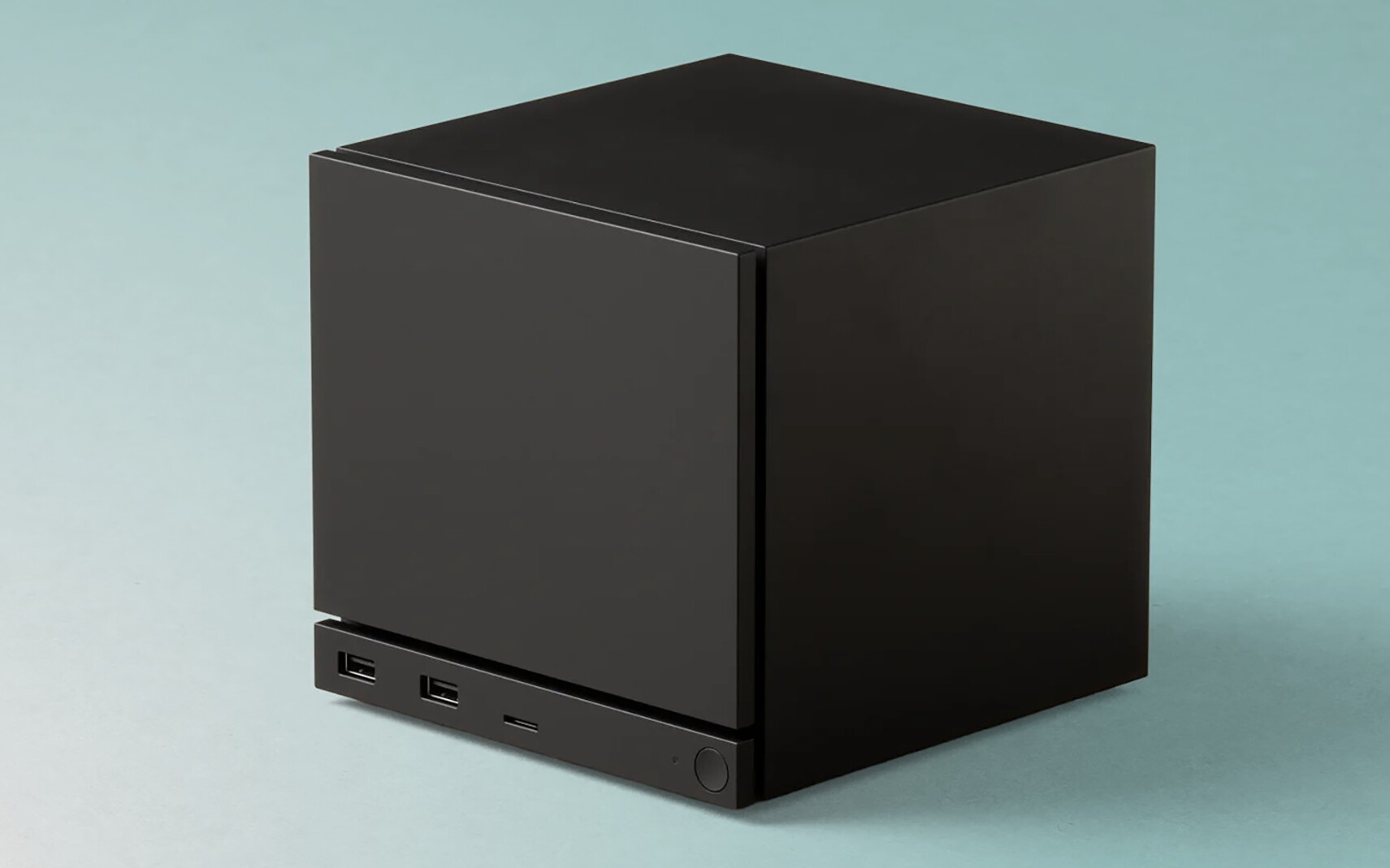
Valve Corporation has officially entered the hardware market with the Steam Machine, a series of pre-built PC consoles designed to bring the Steam platform directly to the living room. The project, which utilizes the Linux-based SteamOS, carries a range of price points depending on the hardware manufacturer, with some high-end configurations reaching significant costs. According to official documentation provided by Valve’s Steam store portal, these devices are manufactured by various third-party partners rather than being built exclusively in-house by Valve.
The rollout of the Steam Machine initiative represents a shift in how Valve approaches the PC gaming ecosystem. By integrating hardware and software, the company aims to offer a console-like experience for users who prefer the library of the Steam store but desire the form factor of a traditional living room device. As of the latest updates from the Valve Corporation corporate newsroom, the company maintains that the platform’s success depends on the integration of the Steam Controller and the ongoing development of the SteamOS interface.
Hardware Configurations and Performance Metrics
Steam Machines are not a single piece of hardware but a category of devices with varying specifications. Manufacturers such as Alienware, Zotac, and CyberPowerPC have produced units ranging from budget-friendly options to high-performance rigs capable of running demanding titles at high resolutions. Performance benchmarks for these units often mirror those of custom-built gaming PCs of the same era, as the internal components—CPUs, GPUs, and RAM—are standard desktop-grade hardware.

The Steam Controller, a peripheral designed specifically for this ecosystem, features dual trackpads and haptic feedback. This controller was intended to bridge the gap between keyboard-and-mouse precision and the ergonomics of a gamepad. Valve has historically managed the distribution of this hardware through its own storefront, coordinating supply chain logistics to meet demand across global markets.
The Evolution of the SteamOS Ecosystem
SteamOS, the operating system powering these machines, is a Debian-based Linux distribution optimized for gaming. The primary objective of the project was to reduce reliance on Windows for PC gaming, providing a dedicated environment that could be updated independently. According to Steamworks documentation for developers, the platform requires specific optimizations to ensure compatibility with the vast library of titles previously developed for Windows environments.
While the initial launch of the Steam Machine hardware faced challenges regarding consumer adoption and library compatibility, the underlying software work contributed significantly to the development of later projects. The technology pioneered during this phase, including the translation layer known as Proton, eventually enabled a wide array of Windows-only games to run seamlessly on Linux-based systems. This development track is verified by the publicly available GitHub repository for Proton, which details the ongoing patches and improvements provided by Valve engineers.
Impact on the Gaming Industry
The introduction of the Steam Machine changed the market’s perception of PC-console hybrids. Before this initiative, the concept of a living room PC was largely relegated to enthusiasts building their own small-form-factor systems. By standardizing the Steam Machine, Valve forced manufacturers to consider thermal management, power efficiency, and space constraints in a way that previously had not been common in the pre-built PC market.
Critics and analysts have noted that the pricing strategy for these machines was a primary friction point during their release. Because the devices were built by third parties, the economies of scale were often lower than those of mass-produced consoles like the PlayStation or Xbox. Consequently, the price-to-performance ratio was frequently cited in tech reviews as being less competitive than traditional gaming consoles. Despite these early hurdles, the infrastructure established during the Steam Machine era remains a foundation for Valve’s current hardware strategies.
Future Developments and Official Updates
Valve Corporation continues to support the SteamOS and the broader ecosystem through regular software updates. Users interested in the latest hardware news or developments regarding the Steam platform are encouraged to monitor the official Steam News Hub. This portal remains the primary source for all company announcements, including updates to the Steam client, hardware compatibility patches, and software-side advancements.
Readers are invited to share their experiences with Steam-integrated hardware in the comments section below. As Valve continues to refine its approach to living room gaming, further updates regarding hardware partnerships and OS improvements will be tracked through official company filings and developer communications.
Worth a look
- Travel Health Insurance: Tips to Avoid Costly Surprises Abroad
- Cerebras Systems Shares Plunge After Missing Q2 Revenue Expectations
- Dawn of War 4 Release Date Delayed: What to Expect from the Refining Process – Warhammer 40k Strategy Game Update” “Dawn of War 4 Launch Delayed: How the Game’s Delay Will Affect Fans – Warhammer 40k Strategy Game News” “Warhammer 40k Strategy Game Dawn of War 4 Delayed to Refine Experience Ahead of Release – Gaming News Update” “Dawn of War 4 Delayed: What the Delay Means for the Upcoming Warhammer 40k Game – Strategy Game Release News (archyworldys.com)
- Theater Creates Hand-Drawn Movie Poster After Official Art Delays (world-today-news.com)