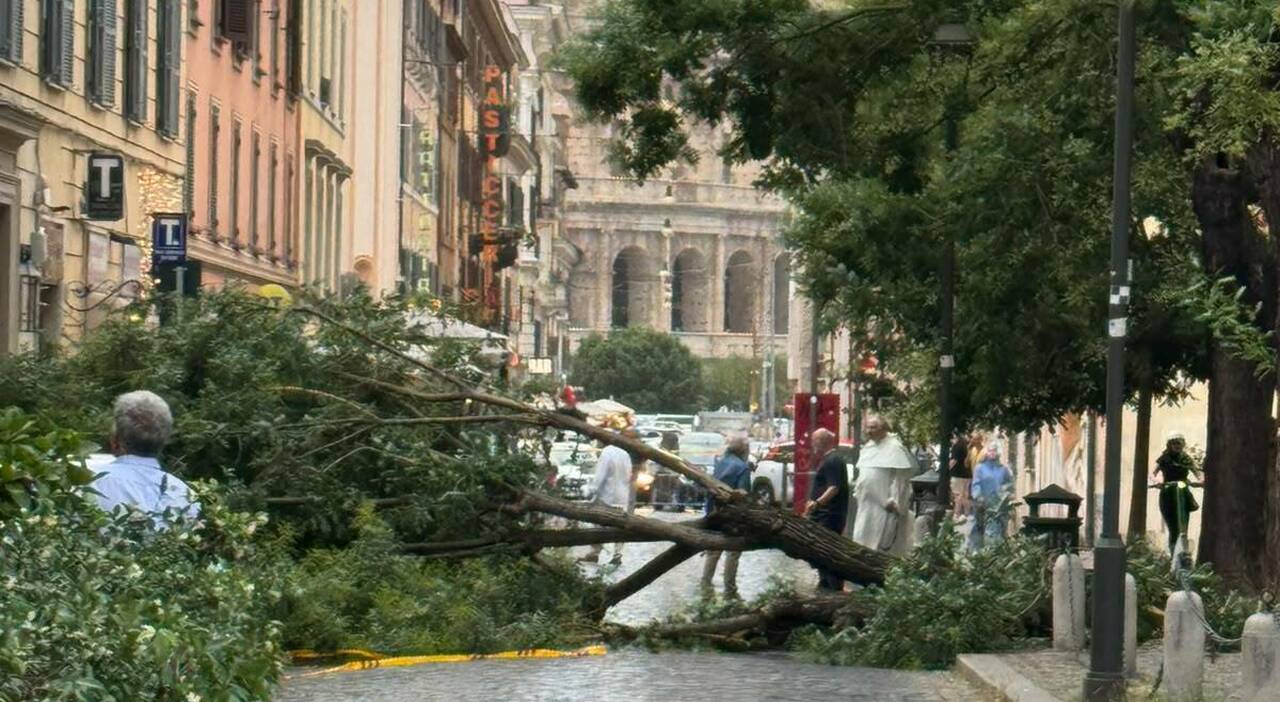
A severe windstorm struck Rome on Monday afternoon, causing widespread damage across the Italian capital, including fallen trees from the Colosseum area to the Ostiense district. Emergency services responded to multiple reports of debris and downed vegetation, with one individual sustaining injuries on the Via Tiburtina, according to reports from the local authorities and emergency responders.
The sudden weather event, characterized by high-velocity gusts, impacted traffic and municipal infrastructure throughout the city center and surrounding neighborhoods. While the city’s Civil Protection department has been working to clear obstructed roadways, the incident highlights the ongoing challenges of urban resilience during extreme weather events in Rome’s historic districts.
Impact and Emergency Response in Rome
The storm caused significant disruption on Monday afternoon, with the most notable damage reported in the city center and the eastern periphery. The fall of trees and large branches forced temporary closures of several key transit routes. According to the Rome Capitale Civil Protection unit, teams were deployed immediately to secure affected areas and restore mobility to major thoroughfares, including the Via Tiburtina.
The injured individual on the Via Tiburtina was treated by medical personnel dispatched to the scene. While specific details regarding the severity of the injury have not been released by hospital officials, the incident underscores the risks posed by falling debris during high-wind events. Local authorities have advised residents to exercise caution in public parks and near large trees until the winds subside and safety assessments are completed.
Weather Patterns and Urban Vulnerability
Rome has experienced a series of meteorological volatility in recent years, often resulting in localized damage to the city’s dense urban canopy. Experts from the Italian Air Force Meteorological Service note that these sudden, intense wind gusts are becoming more frequent during transitional seasons. The structural integrity of older trees in historic areas remains a primary concern for the city’s environmental services.
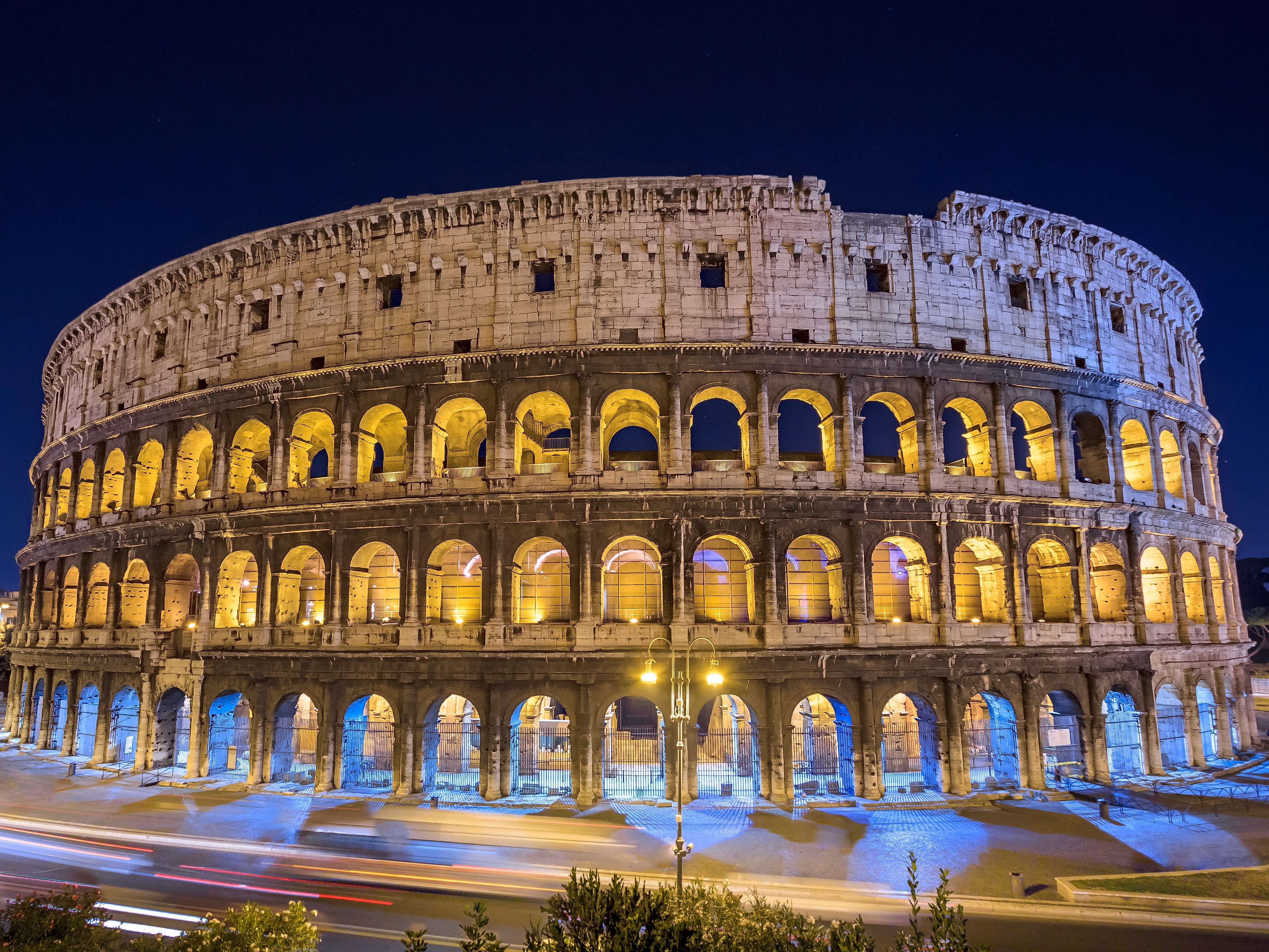
In response to the damage, the municipal government has signaled a continuation of its ongoing tree-monitoring program. This initiative involves the systematic inspection of thousands of trees across Rome’s municipal territory to identify those at risk of failure. Despite these efforts, the unpredictability of extreme wind events continues to present a challenge for urban maintenance and public safety protocols.
Safety Measures and Public Advisory
City officials have issued guidance for citizens to follow during future weather alerts. Residents are encouraged to avoid transit under trees and to secure loose objects on balconies or terraces that could become hazardous in high winds. The Civil Protection portal remains the primary source for real-time updates regarding weather warnings and emergency road closures.
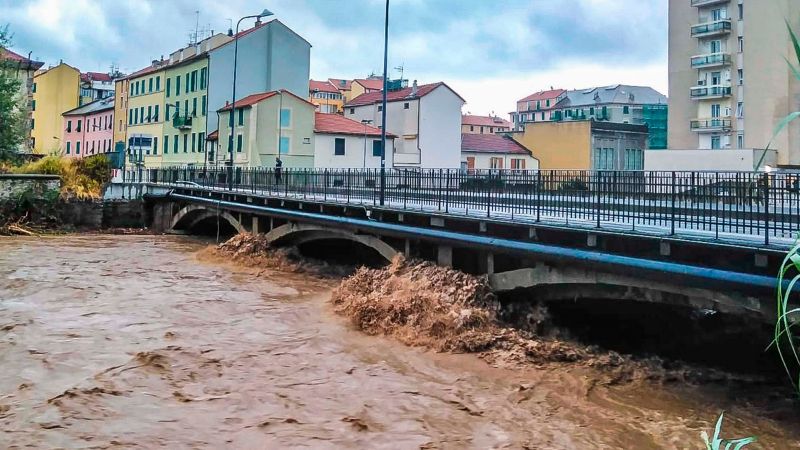
As the cleanup efforts continue, the city is expected to provide a comprehensive report on the total number of trees lost and the extent of damage to municipal infrastructure. The next official update from the municipal planning office is expected by the end of the week, as they assess the need for further maintenance in the affected districts of Ostiense and the area surrounding the Colosseum.
We will continue to monitor the situation as more information becomes available. If you have witnessed the impact of the storm or have updates on local road conditions, please share your experiences in the comments section below.
Keep reading