
Germany’s proposed Gebäudemodernisierungsgesetz (GModG) is sparking a constitutional debate, with legal scholars and policymakers divided over whether the law violates property rights or advances climate goals. The German government’s push for stricter building energy standards—aimed at cutting emissions by 2030—has triggered sharp opposition from property owners, industry groups, and constitutional courts. While the law’s supporters argue it’s essential for meeting climate targets, critics warn it could set a dangerous precedent for state overreach. Here’s what’s confirmed so far and what’s still unresolved.
The GModG, introduced in 2023 as part of Germany’s broader climate action plan, would require building owners to meet stricter energy efficiency standards, including retrofitting older structures with modern insulation, heating systems, and renewable energy sources. The law’s critics, however, argue that its mandatory provisions could infringe on the constitutional right to property (Article 14 of the Basic Law), particularly for private homeowners and small landlords who may face significant financial burdens without adequate compensation.
Legal challenges are already mounting. In June 2024, the Constitutional Court of Baden-Württemberg rejected a preliminary injunction against the law, citing insufficient evidence of unconstitutionality—but the debate is far from settled. Meanwhile, the German Federation of Tenants (Deutsche Mieterbund) has praised the law as a “necessary step” to reduce energy poverty, while industry groups like the German Property Owners Association (Haus & Grund) warn of “economic ruin” for smaller landlords.
The stakes are high: Germany’s building sector accounts for nearly 40% of the country’s energy consumption, according to the Federal Environment Agency (UBA). If the GModG is upheld, it could accelerate the transition to low-carbon housing—but if struck down, it may signal broader limits on how far climate policies can extend into private property rights.
Why Is the GModG Being Challenged as Unconstitutional?
Opponents of the law argue that its mandatory requirements—particularly the obligation to retrofit buildings—could violate Article 14 of Germany’s Basic Law, which guarantees property rights. The core legal question revolves around whether the state’s climate objectives justify such extensive interventions in private property.
“The law forces property owners to make investments they may not be able to afford,” said Dr. Markus Söder, president of the Bavarian State Chancellery, in a statement last month. “This is not just about money—it’s about fundamental rights.” Söder’s comments reflect a growing political divide, with conservative-led states like Bavaria pushing for exemptions or delays.
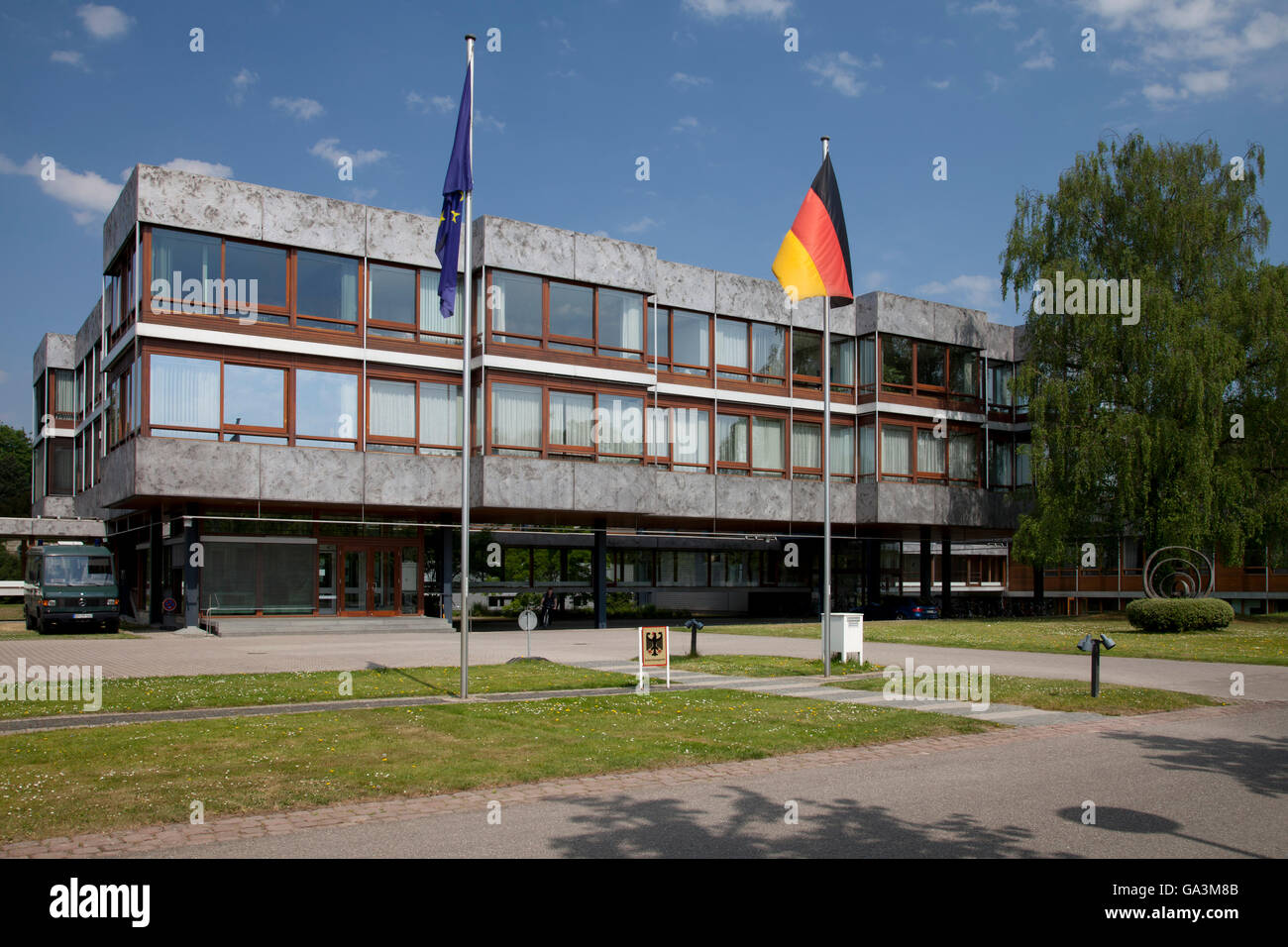
Proponents, however, counter that the law is proportionate under constitutional law, citing precedents like the 2021 Supreme Administrative Court ruling that upheld stricter building codes for energy efficiency. The German government has also framed the GModG as a public health and safety measure, pointing to the 1.5 million German households living in energy-inefficient housing (Destatis).
Yet the legal uncertainty remains. A final ruling from the Federal Constitutional Court could take 12–18 months, leaving building owners, contractors, and policymakers in limbo. In the meantime, some municipalities—like Berlin and Munich—have begun implementing voluntary retrofit programs to avoid legal disputes.
Who Stands to Gain—or Lose—Under the GModG?
The law’s impact varies sharply across Germany’s property landscape:
- Homeowners: Those with older homes (pre-1979) face the highest costs, with retrofitting potentially costing $50,000–$150,000 per property, according to the German Energy Agency (DENA).
- Landlords: Smaller rental property owners warn of higher vacancy risks if tenants cannot afford increased rents post-retrofit.
- Renters: Tenant advocacy groups argue the law could reduce energy poverty by improving heating efficiency, though critics say subsidies are insufficient.
- Contractors & Manufacturers: The green building sector could see a $20 billion+ boost by 2030 (BDEW), but only if the law survives legal challenges.
The financial burden is particularly acute for 1.2 million German landlords who own single-family homes, many of whom lack the capital for major renovations. The law’s subsidy programs, while expanded in 2024, cover only 30–40% of costs, leaving gaps that could trigger lawsuits.
What Happens Next? The Legal Timeline
The GModG’s future hinges on three key developments:

- Federal Constitutional Court Review: A full hearing is expected by March 2025, with a ruling likely by late 2025. The court will examine whether the law’s mandatory nature violates property rights or if it falls under the state’s climate protection mandate (Article 20a of the Basic Law).
- State-Level Challenges: Bavaria and Saxony have filed separate lawsuits, arguing the law oversteps federal authority. Their cases could lead to a federalism conflict if lower courts rule inconsistently.
- EU Green Deal Alignment: Germany’s compliance with the EU’s 2030 energy efficiency targets depends on the GModG’s survival. A strike-down could force Germany to seek alternative measures, risking EU sanctions.
In the short term, building owners are advised to:
- Monitor local retrofit incentives (e.g., Berlin’s climate fund).
- Consult a property law attorney if facing enforcement actions.
- Track the Federal Constitutional Court’s docket (here) for updates.
Key Takeaways: What This Means for Germany—and Beyond
The GModG debate is more than a legal battle—it’s a test case for how far democratic governments can go to enforce climate policies without trampling property rights. Here’s what’s at stake:
- Precedent for Climate Laws: If upheld, the GModG could embolden other EU nations to adopt similar measures. If struck down, it may weaken global climate agreements by setting a limit on state intervention.
- Energy Transition Speed: Germany’s building sector is a major emissions source. Delays could push the country off track for its 2045 net-zero goal.
- Social Equity Risks: Without clearer subsidies, the law could worsen inequality, forcing lower-income households to bear higher costs.
- Market Volatility: The green building sector is already seeing $10 billion+ in investment shifts as stakeholders wait for legal clarity.
The next critical checkpoint is the Federal Constitutional Court’s March 2025 hearing. Until then, property owners, policymakers, and investors are left navigating uncertainty—with the law’s fate potentially reshaping Germany’s energy future.
What do you think? Should climate policies override property rights, or is the GModG going too far? Share your perspective in the comments below—or tag @WorldTodayJrnl to join the discussion.