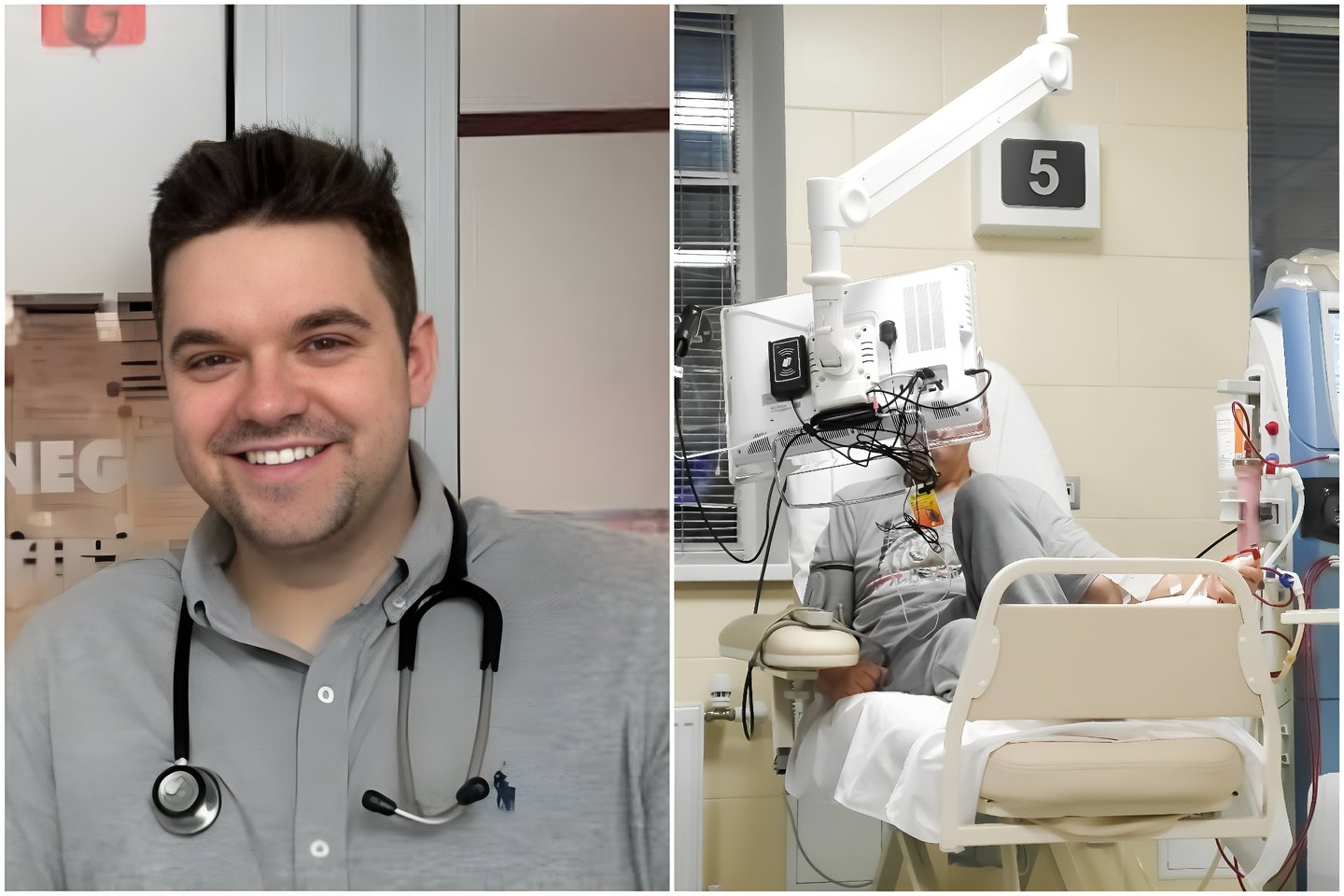
A medical professional’s rapid accumulation of wealth while employed at a state-funded hospital has prompted formal scrutiny into public sector compensation and procurement oversight in Lithuania. Reports detailing the acquisition of high-value assets, including a luxury vehicle and residential property, by a young physician have triggered widespread public debate regarding the transparency of institutional bonus structures and wage distributions within the national healthcare system.
The situation centers on allegations of disproportionate earnings that appear inconsistent with standard salary scales for medical staff in state-run facilities. According to public sector financial disclosures and reporting from the Lithuanian National Broadcaster (LRT), investigators are currently examining whether these funds were derived from legitimate performance-based incentives or if there were procedural irregularities in how the hospital managed its budgetary allocations. While the physician’s identity remains a focal point of public interest, official oversight bodies have emphasized that all investigations must adhere to established labor laws and privacy regulations.
Oversight of Public Hospital Finances
The core of the controversy involves the mechanisms used by state hospitals to distribute bonuses and manage operational budgets. Under the Lithuanian Ministry of Health guidelines, public institutions are required to maintain strict reporting standards for all discretionary payments made to employees. These regulations are designed to prevent conflicts of interest and ensure that taxpayer-funded resources are utilized exclusively for patient care and staff remuneration consistent with national wage policies.

Critics argue that the lack of granular public reporting on specific bonus payouts allows for potential abuse. In response to the recent findings, health sector transparency advocates have called for an audit of hospital procurement and payroll systems. The Ministry of Health has stated that it monitors the financial health of hospitals, but individual salary adjustments are often handled at the institutional level by hospital boards, which are required to comply with the Law on the Prevention of Corruption.
The Impact of Salary Disparity
The perception of a “millionaire medic” has intensified existing tensions regarding the pay gap between administrative medical staff and those working on the front lines of patient care. Many healthcare workers in the public sector have long campaigned for higher base salaries, citing the high cost of living and the demanding nature of their profession. When individual cases of extreme wealth accumulation surface, they often serve as a catalyst for broader policy reviews.
According to data provided by the State Data Agency of Lithuania, the average monthly gross wage for physicians remains significantly lower than the figures implied by the recent asset acquisitions. This discrepancy has led to calls for the Special Investigation Service (STT) to review whether any laws were bypassed. As of this report, no formal charges of criminal wrongdoing have been leveled against the individual, and the investigation remains in the fact-finding stage.
What Happens Next in the Investigation
The next phase of this inquiry will likely involve a forensic review of the hospital’s financial ledgers to determine the source of the funds in question. If the payments are found to be in violation of institutional bylaws or state law, the institution could face mandatory restructuring of its bonus policies. Furthermore, if the funds are linked to improper procurement or kickback schemes, the case could be escalated to the Prosecutor General’s Office for a criminal investigation.

Citizens and taxpayers are encouraged to monitor the official bulletins released by the Ministry of Health for updates on audit results. Transparency in the public sector remains a priority for the current administration, and the outcome of this case may set a precedent for how state hospitals justify high-value payments to staff in the future. We will continue to follow this story as new details emerge from official filings.
Keep reading