
A municipal committee in Düsseldorf is reviewing a comprehensive restoration plan for the Ostparkweiher, a central pond located in the Grafenberg district, to address critical silt accumulation. The proposed “rescue package” aims to restore the water body’s ecological stability through desilting and nutrient management processes.
The decision regarding the pond’s future rests with the relevant city committee, which is evaluating the technical requirements and financial costs of the project. According to local reports, the Ostparkweiher has suffered from progressive sedimentation, a process that reduces water depth and compromises the local ecosystem’s ability to maintain oxygen levels.
The Ostparkweiher serves as a vital green space for residents in the Grafenberg area and provides a habitat for various aquatic and avian species. Without intervention, the accumulation of organic matter threatens to turn the pond into a shallow, marsh-like area, significantly altering the landscape of the Ostpark.
Why the Ostparkweiher is facing ecological decline
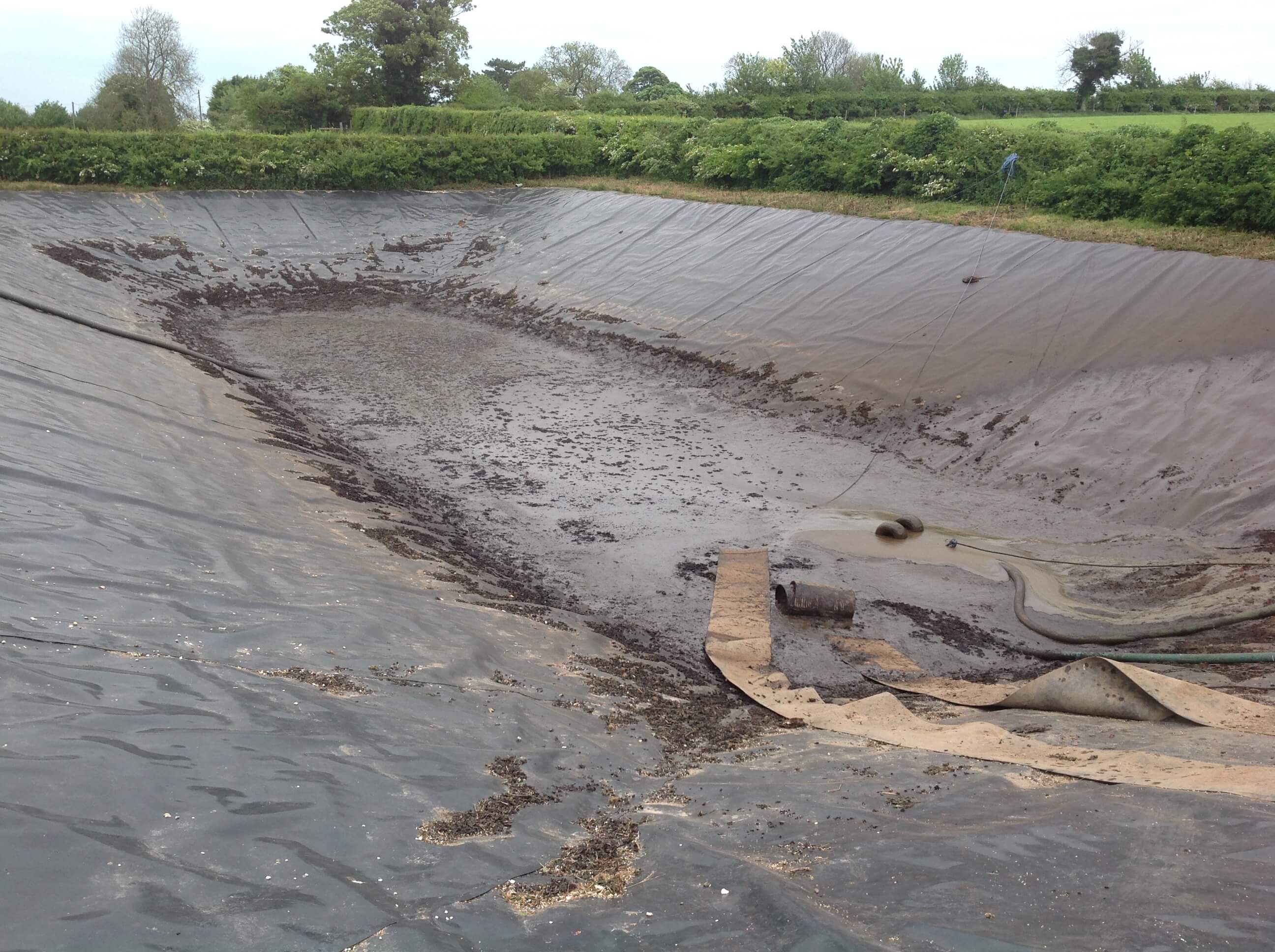
The primary issue facing the Ostparkweiher is eutrophication caused by heavy siltation. Over many years, organic materials such as fallen leaves, dead plant matter, and nutrient-rich runoff have settled at the bottom of the pond. This layer of sludge, or silt, reduces the total volume of water and creates a biological imbalance.
As the layer of silt thickens, it consumes oxygen during its decomposition process. This reduction in dissolved oxygen can lead to several environmental consequences:
- Loss of Biodiversity: Fish and other aquatic organisms that require oxygenated water may struggle to survive.
- Algae Blooms: The high concentration of nutrients in the silt can trigger rapid algae growth, which further depletes oxygen levels.
- Water Quality Degradation: The accumulation of organic matter can lead to unpleasant odors and increased turbidity, making the water appear murky.
Environmental experts note that urban ponds like the Ostparkweiher are particularly susceptible to these issues due to their proximity to paved surfaces, which direct nutrient-heavy rainwater into the water body.
What the proposed rescue package includes
The “rescue package” currently under consideration by the Düsseldorf city officials focuses on a multi-stage restoration strategy. The cornerstone of this plan is desilting, a technical process designed to remove the accumulated sludge from the pond bed.

Desilting involves several critical steps to ensure the pond is not further damaged during the process. First, the sludge must be carefully extracted—often using specialized suction equipment—to minimize the disturbance of the remaining water column. Following the removal of the silt, the city is considering biological interventions to stabilize the environment.
These biological measures may include:
- Replanting Aquatic Vegetation: Introducing specific plant species that help absorb excess nutrients and provide natural filtration.
- Oxygenation Systems: Implementing mechanical aeration if natural oxygen levels remain insufficient following the initial cleanup.
- Runoff Management: Evaluating ways to limit the amount of nutrient-rich water entering the pond from surrounding urban infrastructure.
The effectiveness of these measures depends heavily on the precision of the initial desilting. If too much organic matter remains, the cycle of eutrophication can quickly restart.
The impact on the Düsseldorf-Grafenberg community
For the residents of Düsseldorf-Grafenberg, the Ostparkweiher is more than just a body of water; it is a central component of the local recreational infrastructure. The Ostpark area is a frequent destination for walking, jogging, and leisure activities, with the pond serving as a visual and ecological centerpiece.
The successful implementation of the restoration project would secure the pond’s role as a local landmark. Conversely, if the ecological decline continues, the area may lose its aesthetic appeal and its utility as a quiet retreat for citizens. Local community groups have expressed interest in the outcome of the committee’s decision, as the health of the pond is closely tied to the overall quality of life in the district.
Beyond recreation, the pond acts as a “cooling island” for the urban environment. In increasingly warm summers, urban water bodies play a significant role in mitigating the heat-island effect in densely populated residential areas like Grafenberg.
Comparison of restoration approaches
The city committee is weighing different levels of intervention. While a full desilting is the most effective long-term solution, it also carries the highest immediate cost and temporary disruption to the park.

| Approach | Primary Goal | Pros | Cons |
|---|---|---|---|
| Maintenance Cleaning | Remove surface debris | Lower cost; minimal disruption | Does not address deep silt; short-term fix |
| Full Desilting (Proposed) | Complete sludge removal | Restores depth and oxygen; long-term stability | High cost; significant temporary impact on park |
| Biological Stabilization | Manage nutrients via plants | Eco-friendly; improves biodiversity | Takes longer to show results; may not solve deep silt issues |
What happens next in the decision process
The next major milestone in this process will be the official vote by the relevant city committee. Once the committee reaches a decision on the “rescue package,” the project will move into the planning and budgeting phase. This phase will involve detailed technical assessments, environmental impact studies, and the procurement of contractors specialized in aquatic restoration.
Citizens can monitor the progress of this environmental initiative through the official Düsseldorf city administration portals, where committee agendas and meeting minutes are typically made available to the public.
Next Scheduled Action: The city committee’s decision on the Ostparkweiher restoration funding and technical plan.
Do you live near the Ostpark and have thoughts on the pond’s restoration? Share your views in the comments below and share this article with your neighbors.
Related reading