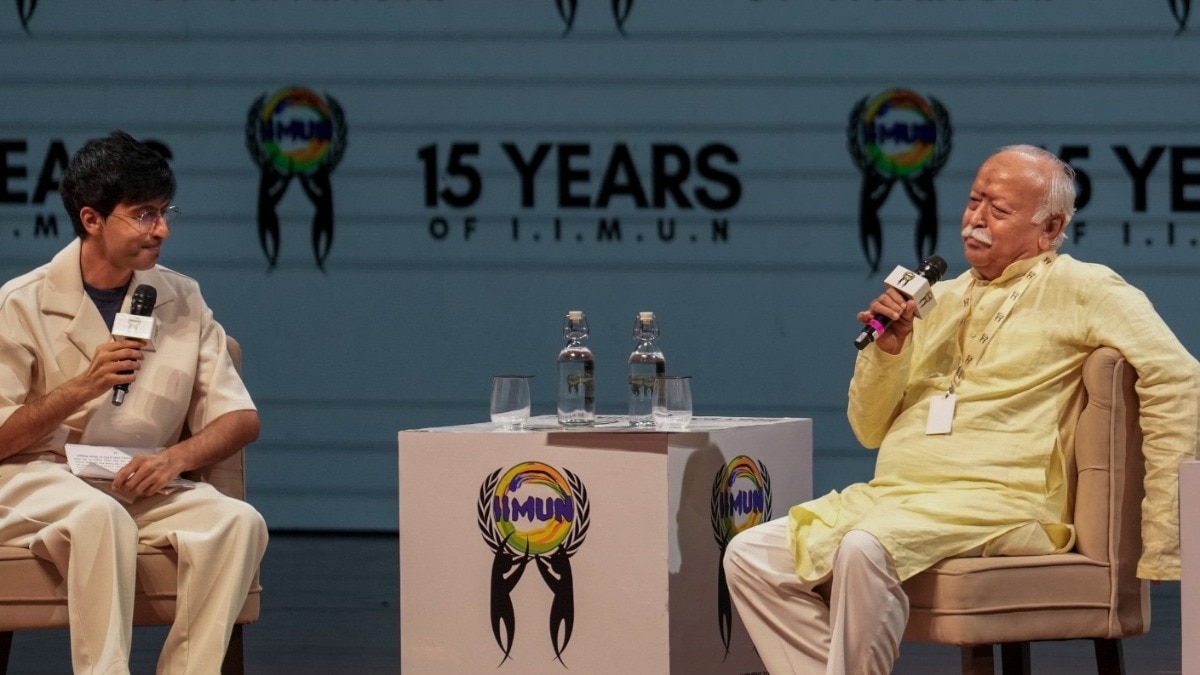
Rashtriya Swayamsevak Sangh (RSS) Sarsanghchalak Mohan Bhagwat has increasingly focused on engaging India’s Gen-Z demographic, positioning the ideological organization as a contemporary bridge to the Bharatiya Janata Party (BJP). According to public addresses and organizational updates monitored by political analysts, the veteran leader has sought to address the shifting aspirations of young voters who prioritize digital connectivity, economic mobility, and cultural identity.
With India boasting one of the world’s largest youth populations, political parties and ideological affiliates alike view first-time and young voters as a crucial electoral bloc. The RSS, widely considered the ideological fountainhead of the ruling BJP, has adapted its outreach methods to connect with digital natives. Observers note that this strategic evolution involves moving away from traditional pulpit lectures toward interactive dialogues, leveraging social media platforms, and addressing contemporary concerns surrounding employment and education.
Shifting Strategies for a Digital Generation
For decades, the RSS relied primarily on morning branch meetings, known as shakhas, and community-level groundwork to impart its cultural and nationalist ethos. However, the rise of Gen-Z—individuals born roughly between the late 1990s and early 2010s—has forced a modernization of these communication channels. Mohan Bhagwat has frequently emphasized the need to listen to young people rather than merely instructing them, acknowledging that modern youth require rational explanations for traditional values.
Political commentators observing recent RSS conclaves and interactions with university students report a marked shift in tone. Rather than focusing strictly on ideological rigidity, discussions led by senior RSS figures often pivot toward national development, technological self-reliance, and individual contribution to society. This nuanced approach helps soften the organization’s public image among urban youth, indirectly benefiting the BJP’s electoral appeal among demographic groups that might otherwise lean away from conservative politics.
Bridging Ideology and Electoral Realities
The synergy between the RSS and the BJP relies heavily on grassroots mobilization during election cycles. By engaging young volunteers through student wings like the Akhil Bharatiya Vidyarthi Parishad (ABVP) and various youth-centric social initiatives, the wider Sangh parivar maintains a steady pipeline of enthusiastic campaigners. These young cadres play an essential role in managing digital war rooms, driving voter turnout, and shaping narratives on platforms popular among Gen-Z, such as X, Instagram, and YouTube.
At the same time, Mohan Bhagwat has occasionally cautioned political leaders against arrogance and complacency, messaging that resonates well with a discerning younger electorate that values accountability and transparent governance. By projecting an image of internal reflection, the RSS leadership aims to reassure young professionals and students that the broader nationalist movement remains attuned to contemporary democratic norms.
What Happens Next
As India prepares for upcoming state assembly elections and continued political realignments, the Sangh’s youth-centric outreach programs are expected to expand further into Tier-2 and Tier-3 cities. Analysts will monitor whether these cultural touchpoints effectively translate into sustained ballot-box support for the ruling party among voters under the age of 25. Official updates regarding RSS youth conventions and policy directives are published periodically through mainstream media channels and authorized organizational bulletins.
Readers are encouraged to share their thoughts or join the conversation in the comments section below.