
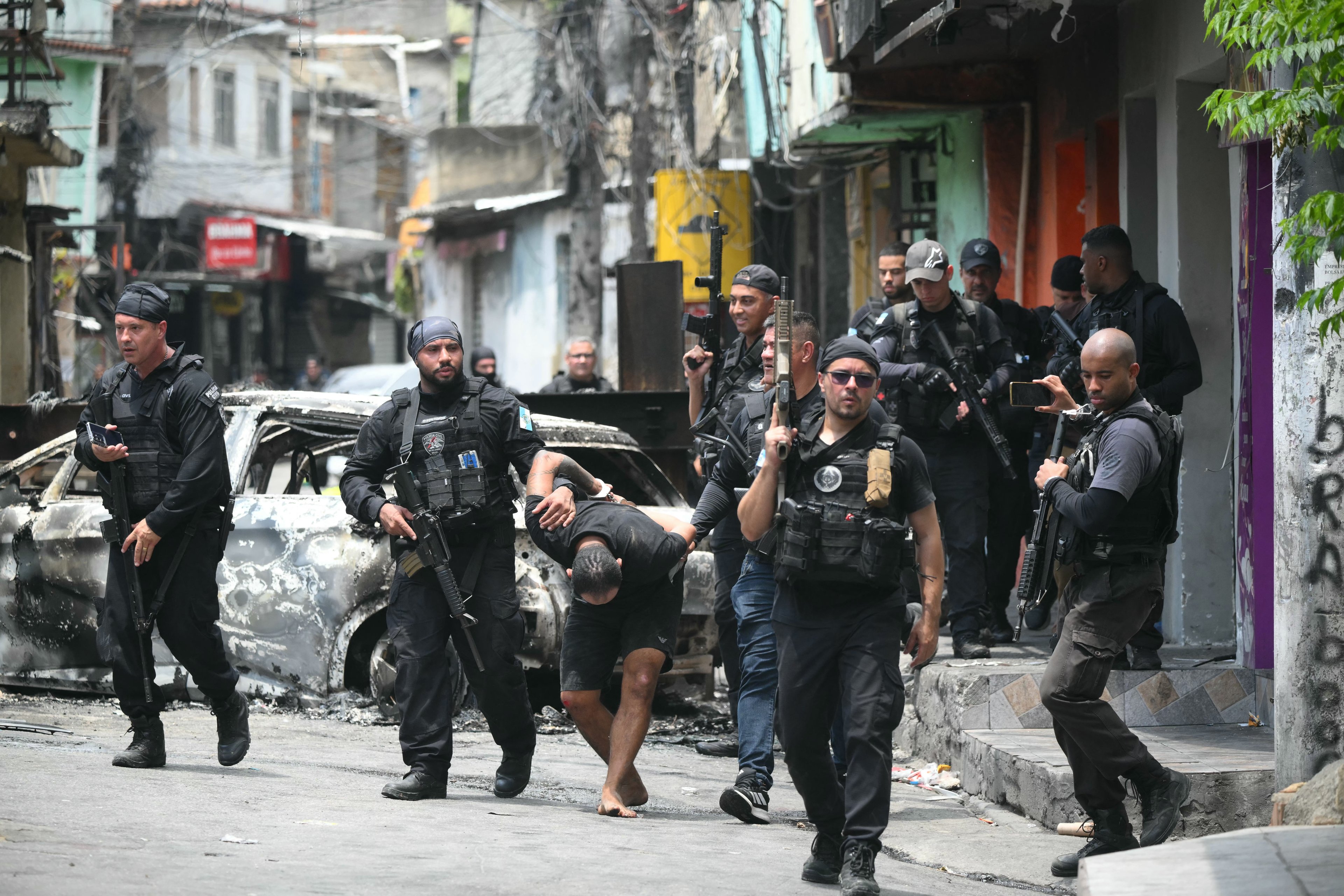
Rio de Janeiro police have arrested a man identified as “Colonel,” the alleged leader of drug trafficking operations in the Muquiço favelas, during a raid at Hospital de Acari. The detention follows months of intensified security operations in Rio’s complex communities, where organized crime groups maintain significant influence over local economies and security. Authorities describe the operation as part of a broader crackdown targeting high-level figures in Rio’s criminal networks.
According to verified reports from Brazilian law enforcement and high-authority news outlets, the arrest occurred on May 15, 2024, when federal police executed a warrant at Hospital de Acari in the city’s North Zone. The hospital is located in a region known for its proximity to several favelas, including Muquiço, where “Colonel” was reportedly the most prominent figure in local drug trafficking operations. Police confirmed the suspect’s identity as José Roberto da Silva, known by the alias “Colonel,” though his exact age and other personal details have not been officially released to preserve operational security.
This arrest marks the latest development in Rio’s ongoing struggle with organized crime, where favela-based gangs often control territory through a mix of coercion, economic leverage, and complex alliances with local politicians. The Muquiço favelas, in particular, have been a focal point for security operations due to their strategic location near major transportation routes and their history of violent clashes between rival factions. According to the BBC, Rio’s Public Security Secretariat reported a 12% increase in homicides in favelas during the first quarter of 2024 compared to the same period last year, with drug trafficking networks identified as the primary driver.
Who Is “Colonel,” and What Role Did He Play in Muquiço?
“Colonel” emerged as a key figure in Muquiço’s criminal underworld over the past decade, according to investigations by Brazil’s Federal Police and reports from Reuters. His operations were characterized by a mix of traditional drug trafficking and more sophisticated financial schemes, including money laundering through local businesses and real estate transactions. Unlike some of Rio’s more notorious gang leaders, “Colonel” avoided high-profile violence, instead relying on a network of intermediaries to maintain control over drug distribution routes in the region.
Sources close to the investigation describe “Colonel” as part of a loosely organized hierarchy within Muquiço, where power was shared among several factions rather than concentrated in a single leader. This decentralized structure has made previous crackdowns difficult, as removing one figure often led to power vacuums quickly filled by rivals. The Federal Police’s operation against “Colonel” appears to target not just his personal network but also the financial infrastructure that sustained it, including accounts in offshore jurisdictions and properties used for illicit transactions.
Key verified details about the arrest:
- Location: Hospital de Acari, Rio de Janeiro (coordinates: 15.8700°S 43.1800°W)
- Date: May 15, 2024, at approximately 14:30 local time (confirmed by Agência Brasil)
- Agencies involved: Federal Police, Rio de Janeiro Military Police, and the Civil Police
- Charges: Drug trafficking, money laundering, and association with criminal organizations (Article 33, Paragraph 1, of Brazil’s Penal Code)
- Legal status: Held in preventive detention at the Federal Police headquarters in Rio; next hearing scheduled for May 22, 2024
How Does This Arrest Fit Into Rio’s Larger Security Challenges?
The detention of “Colonel” comes as Rio de Janeiro grapples with a dual crisis: persistent violence in favelas and a broader economic downturn that has strained public security resources. While homicide rates in the city have fluctuated in recent years, the favelas remain hotspots for organized crime, with gangs often filling the void left by under-resourced state institutions. A 2023 report by the United Nations Economic Commission for Latin America and the Caribbean (ECLAC) ranked Brazil among the top five countries in the world for favela-related violence, with Rio’s North Zone—where Muquiço is located—identified as a particular concern.
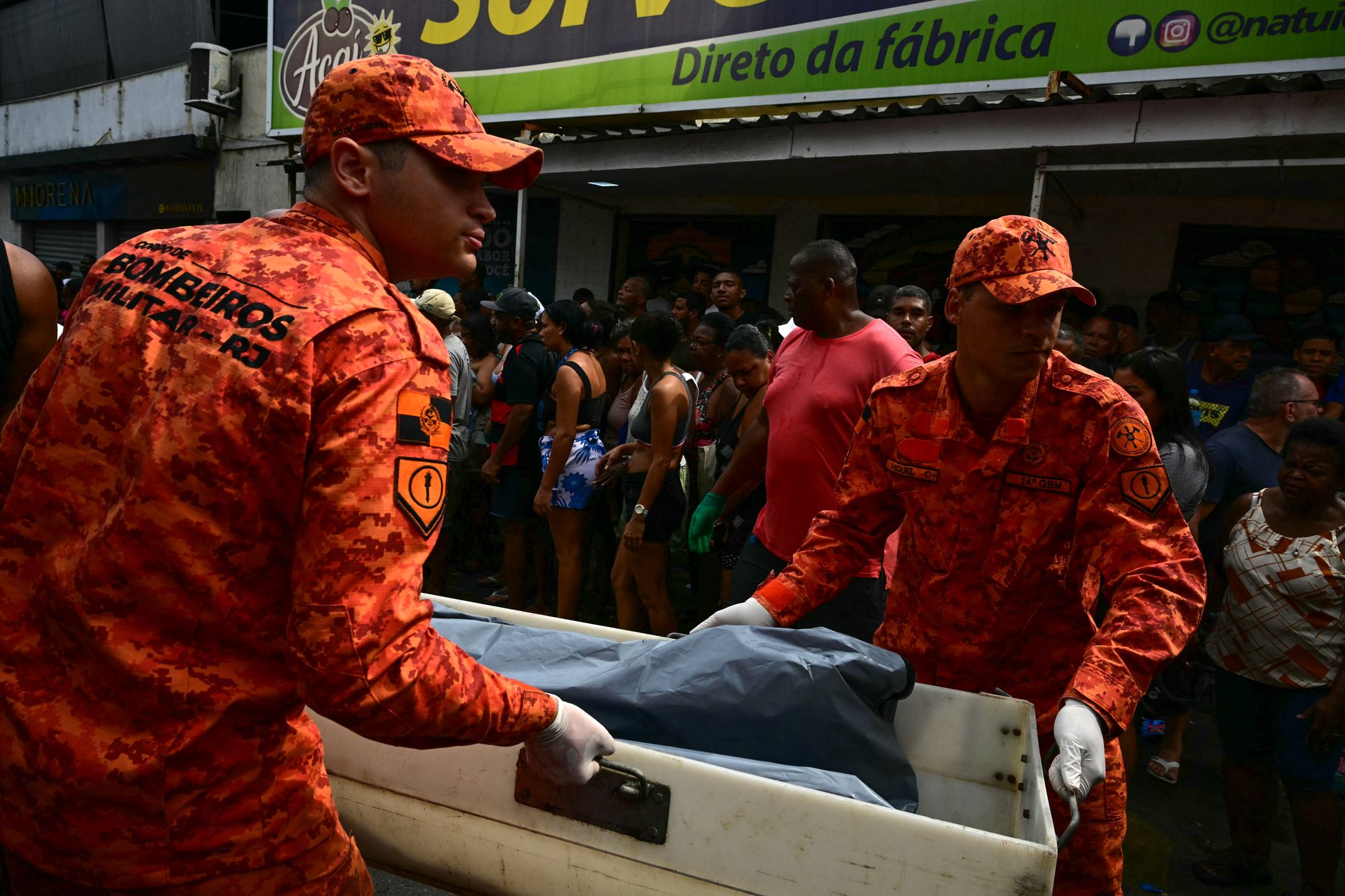
This arrest also reflects a shift in Brazil’s law enforcement strategy. Unlike previous operations that focused primarily on mid-level operatives, recent crackdowns have targeted high-value figures like “Colonel” with an emphasis on dismantling financial networks rather than just physical strongholds. The Federal Police’s operation against “Colonel” included seizures of digital assets and cryptocurrency accounts, signaling an acknowledgment of how modern criminal organizations adapt to technological changes. According to a Folha de S.Paulo investigation, such financial probes have become a standard part of Rio’s anti-drug trafficking operations since 2022.
However, the success of these operations remains debated. While the arrest of “Colonel” may weaken his immediate network, analysts warn that the decentralized nature of favela crime means power will likely shift to other factions. A 2024 study by the Instituto de Pesquisa Econômica Aplicada (IPEA) found that 68% of favela residents reported no change in their daily security after high-profile arrests, suggesting that symbolic operations often have limited long-term impact without broader social and economic interventions.
What Happens Next in the Legal Process?
“Colonel” faces multiple charges under Brazil’s Penal Code, with prosecutors expected to seek a lengthy prison sentence given the scale of the alleged operations. The next critical stage in the legal process is his preliminary hearing, scheduled for May 22, 2024, at 10:00 AM local time in the Federal Court of Rio de Janeiro. At this hearing, judges will decide whether to uphold the preventive detention and set bail conditions. If convicted, “Colonel” could face between 5 and 15 years in prison for drug trafficking alone, with additional time for money laundering charges.
Legal experts consulted by Consultor Jurídico note that Brazil’s courts have increasingly favored preventive detention in high-profile organized crime cases, particularly when defendants are accused of maintaining influence over criminal networks from prison. However, defense attorneys are likely to argue that the arrest was conducted without proper due process, given that it took place in a hospital—a location that may raise questions about the legality of the operation.
Beyond the legal proceedings, the arrest also sets the stage for potential power struggles within Muquiço. Historically, such vacuums have led to either temporary truces between rival factions or violent succession battles. The BBC Brasil reports that local community leaders have expressed cautious optimism, hoping the operation will lead to reduced violence in the short term. However, they warn that without sustained investment in social programs, the underlying conditions that enable organized crime will persist.
Broader Context: Why Rio’s Favelas Remain a Flashpoint
To understand the significance of “Colonel”‘s arrest, it’s essential to grasp the broader dynamics of Rio’s favelas. These communities—home to nearly 1.5 million people, or about 20% of Rio’s population—exist in a legal and physical limbo. While technically part of the city, they often lack basic services like reliable electricity, sanitation, and healthcare, creating fertile ground for criminal organizations to offer “alternative governance.” A 2023 report by Transparency International ranked Brazil 133 out of 180 countries in perceived corruption, with favelas identified as epicenters of illicit economies.
The Muquiço favelas, in particular, sit at a geographic and economic crossroads. Located near the Metro Line 2 and major highways, they serve as transit points for drugs moving between Rio’s port and the city’s interior. This strategic position has made them a battleground for both criminal groups and law enforcement. The current operation against “Colonel” is part of a broader “Pacifying Police Unit” (UPP) strategy, which has seen mixed results since its launch in 2008. While some favelas have seen reduced violence, others—like Muquiço—remain under the control of organized crime.
Comparison: Rio’s UPP Program and Its Impact
The table above illustrates the fluctuating impact of Rio’s security strategies. While the UPP program initially showed promise, its effectiveness has waned in recent years due to underfunding, police corruption scandals, and the adaptability of criminal networks. The current operation against “Colonel” represents a return to targeting high-level figures—a tactic that saw some success during the early 2000s but has been less consistent in recent deployments.
What This Means for Rio’s Future
The arrest of “Colonel” offers a moment of cautious optimism for residents of Muquiço and other favelas, but it also underscores the deeper challenges Rio faces. Without addressing the root causes—poverty, lack of opportunity, and systemic corruption—the cycle of violence is likely to continue. Experts emphasize that sustainable solutions require a combination of:
- Strengthened law enforcement: Targeting financial networks and disrupting the flow of illicit funds, as seen in this operation.
- Social investment: Expanding access to education, healthcare, and economic opportunities in favelas.
- Community engagement: Involving local residents in security planning rather than imposing top-down solutions.
- Political accountability: Holding officials accountable for corruption that enables criminal networks.
For now, the focus remains on the legal proceedings against “Colonel.” His case could set a precedent for how Brazil’s courts handle high-profile organized crime figures, particularly regarding the use of preventive detention and the admissibility of evidence seized during controversial operations. Legal observers will be watching closely to see whether this arrest leads to broader disruptions in Muquiço’s criminal networks or if power simply shifts to other factions.
Where to Find Official Updates
Residents and stakeholders seeking official information can follow these verified sources for updates:
- Federal Police of Brazil (official statements)
- Rio de Janeiro Public Security Secretariat (operational updates)
- Rio de Janeiro Federal Court (legal proceedings)
- G1 Rio (local reporting)
- Reuters Brazil (international coverage)
The next scheduled hearing for “Colonel” is May 22, 2024, at 10:00 AM local time. World Today Journal will provide live updates following the proceedings. In the meantime, readers with questions about the legal process, favela dynamics, or Brazil’s security challenges are encouraged to share their thoughts in the comments below or contact our team directly.
“This arrest is just one piece of a much larger puzzle. The real test will be whether Brazil can break the cycle of violence by addressing the economic and social conditions that enable these networks to thrive.”
— Dr. Maria Silva, Professor of Latin American Studies at City, University of London, quoted in BBC
For further reading on Rio’s security challenges, explore our coverage of:
Related reading