Lucid Motors Reduces U.S. Workforce by 18% and Eliminates COO Role Amid Robotaxi Push
Lucid Motors is cutting approximately 18% of its United States workforce and eliminating the position of Chief Operating Officer to accelerate its transition toward profitability and positive cash flow. Despite these significant restructuring measures, the electric vehicle manufacturer intends to maintain its autonomous driving strategy through an existing partnership with Uber and Nuro, aiming for a commercial robotaxi launch in San Francisco.
The workforce reduction, announced by the company on Monday, includes the elimination of the Chief Operating Officer role previously held by Marc Winterhoff. Winterhoff, who also served as the company’s interim CEO for a period of less than two years, was succeeded by Silvio Napoli in April. According to a company securities filing, the restructuring is designed to streamline operations and reduce annual costs.
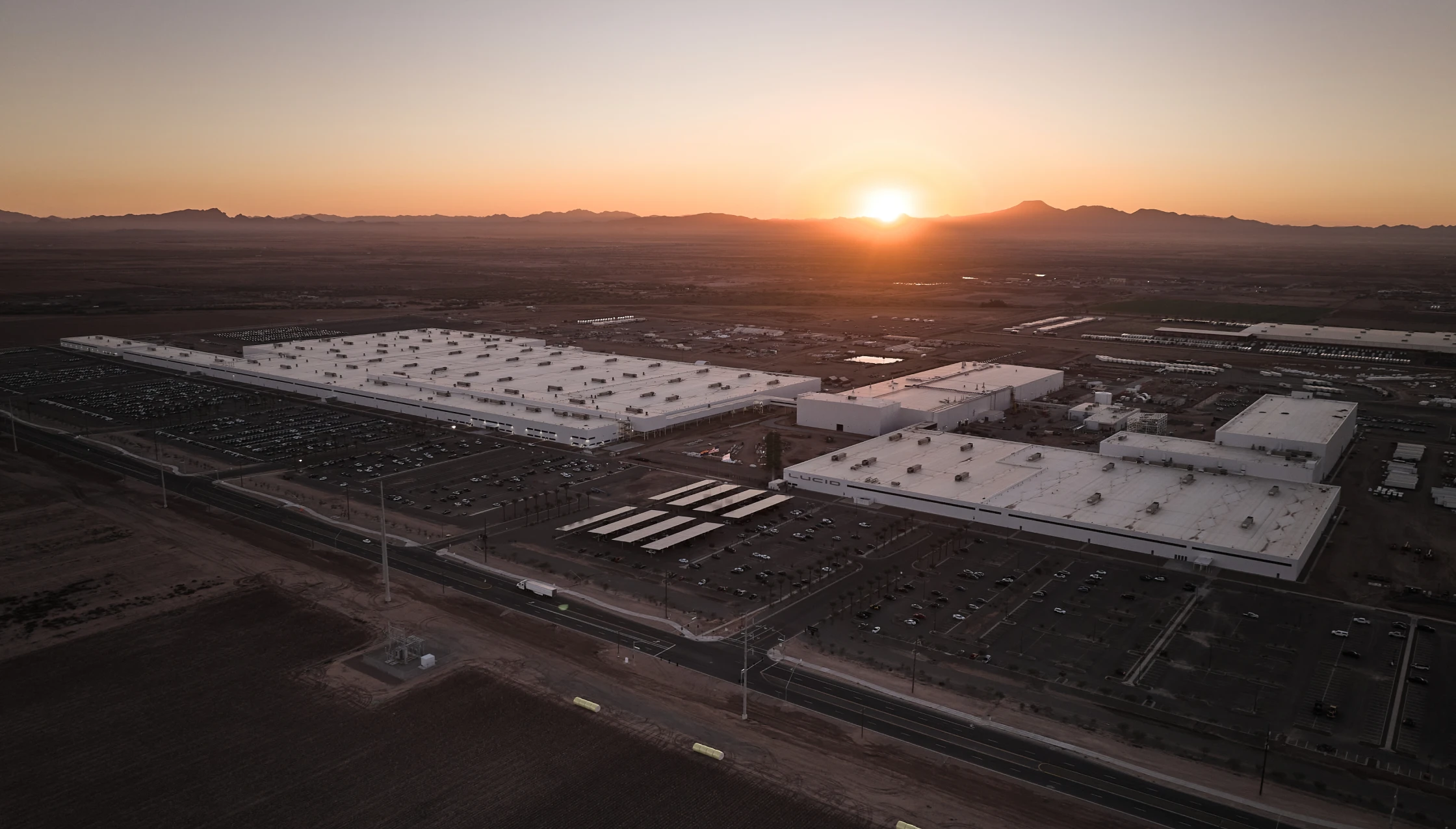
Lucid expects the reorganization to generate approximately $158 million in annualized cost savings. As part of the operational changes, the company is also eliminating the second production shift at its AMP-1 manufacturing facility located in Casa Grande, Arizona. The company has not yet specified which particular vehicle production lines or programs will be impacted by the reduction in shifts at the Arizona plant.
How will the restructuring affect Lucid’s production and finances?
The decision to downsize comes as Lucid attempts to scale its electric vehicle business while managing high capital expenditures. While the company aims for $158 million in savings, market analysts have raised questions regarding the depth of these cuts in relation to the company’s overall spending.
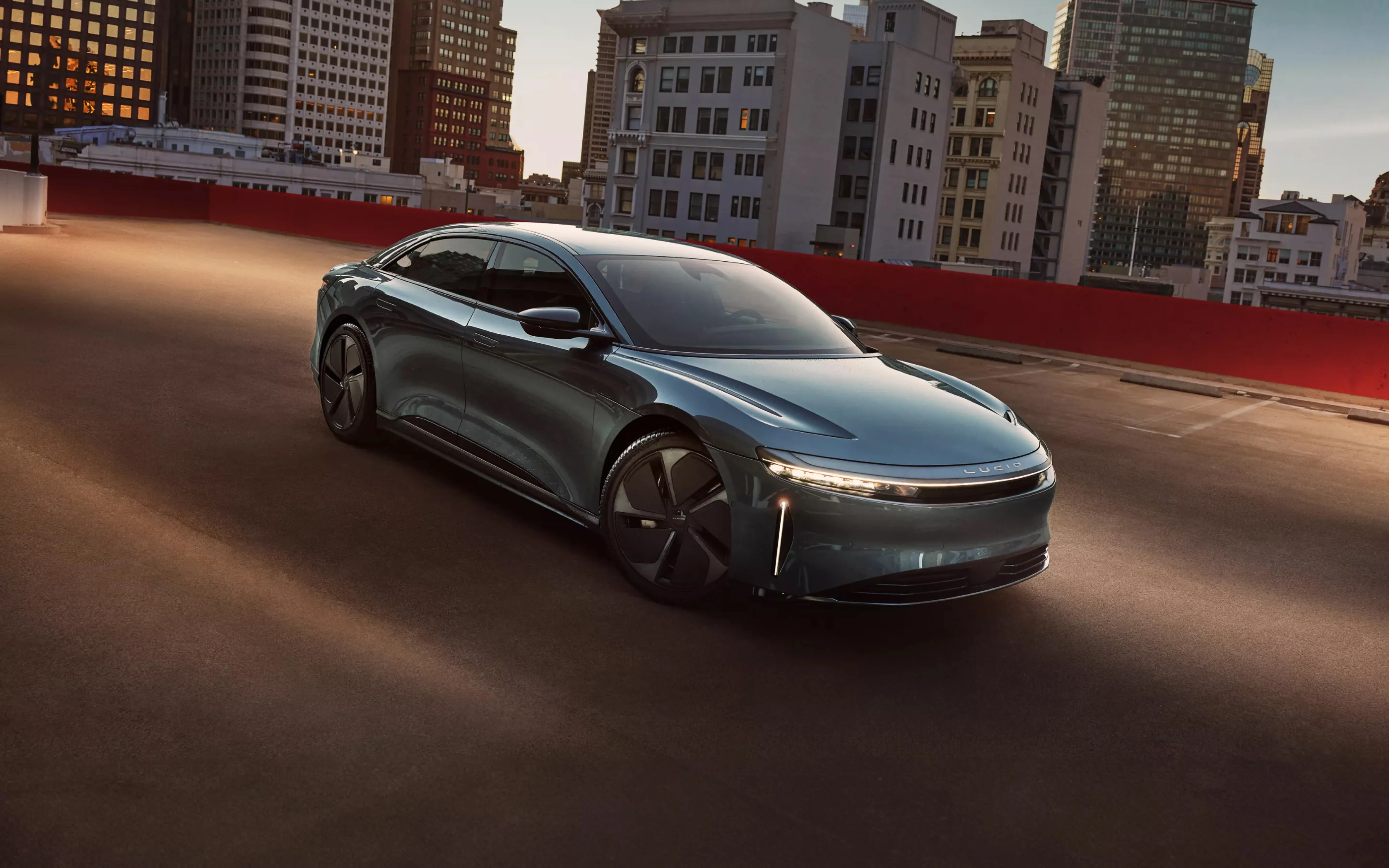
James Picariello, a senior analyst at BNP Paribas Equity Research, noted in a Monday report that Lucid remains on a “step road to breakeven.” Picariello suggested that the cost-cutting measures may reflect soft consumer demand for the Lucid Air sedan and the upcoming Gravity SUV. He further noted that the projected $158 million in savings may not significantly alter the company’s current cash-burn trajectory.
However, Picariello also indicated that the workforce reductions do not appear to pose a direct threat to Lucid’s autonomous vehicle ambitions. He stated that the company should remain capable of providing Nuro-outfitted Gravity SUVs and midsize crossover utility vehicles (CUVs) to its partners.
What is the strategy behind the Lucid, Uber, and Nuro robotaxi partnership?
Lucid is pursuing its robotaxi ambitions through a strategic partnership model rather than developing a fully proprietary autonomous driving stack. This approach, which former COO Marc Winterhoff described as a “second leg” for the company’s business model, focuses on capital efficiency.
The partnership involves several key components:
- Uber’s Commitment: Uber is reportedly committing $500 million to secure a supply of at least 35,000 Lucid vehicles, which includes 10,000 Gravity SUVs.
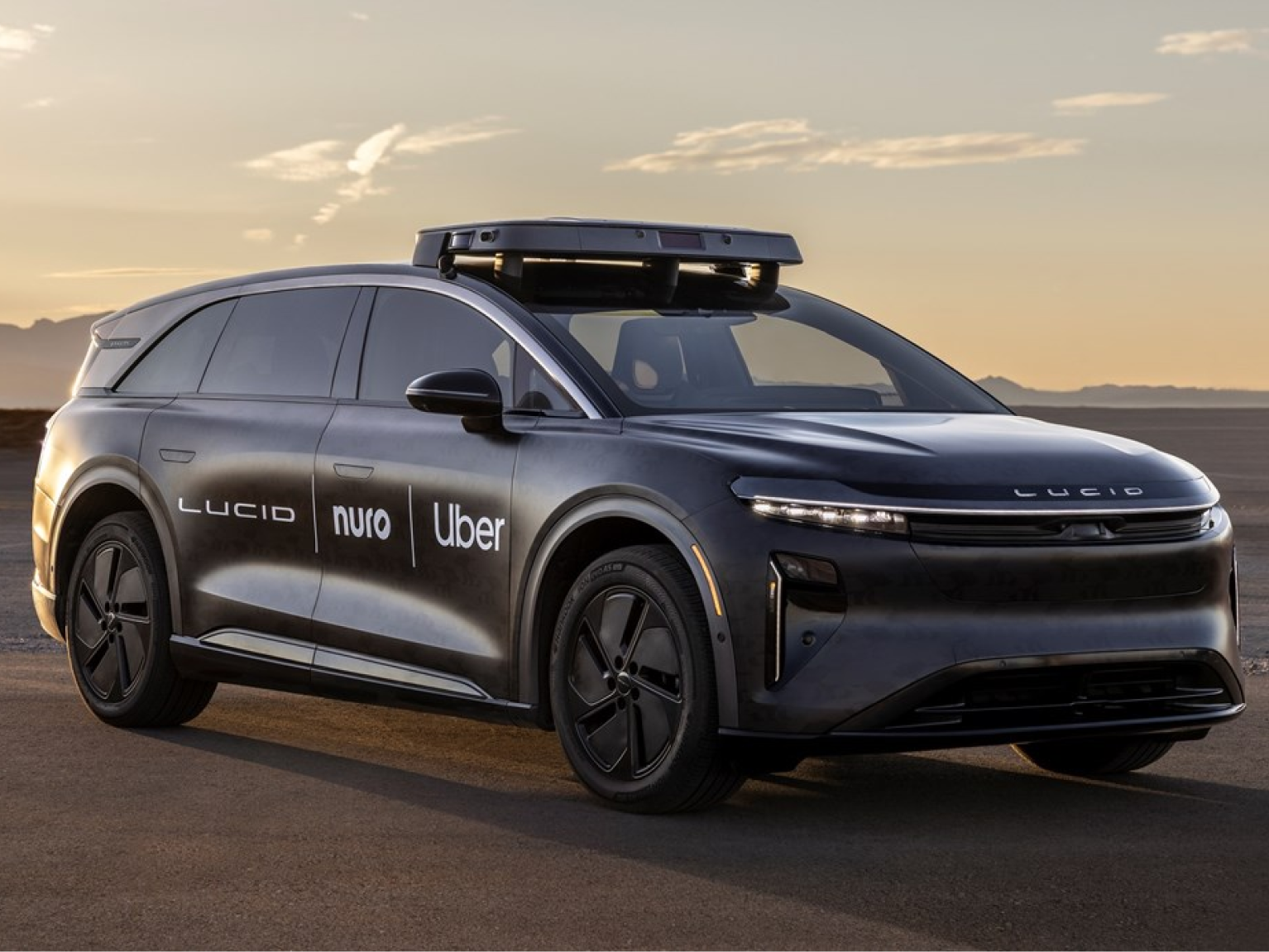
- Nuro’s Technology: Lucid’s Gravity SUV will be retrofitted with an autonomous driving platform developed by Nuro to facilitate robotaxi operations for Uber.
- Deployment Timeline: The companies are targeting a commercial launch in San Francisco later this year, with Uber seeking robotaxi readiness for commercial deployment by 2026.
A spokesperson for Lucid confirmed on Monday that the restructuring and workforce cuts will not affect the company’s robotaxi strategy or its ongoing partnership with Uber and Nuro.
Why did Lucid choose a partnership model over in-house development?
The decision to utilize third-party technology from Nuro and distribution through Uber was driven by the desire to minimize capital intensity. In an interview in April, Marc Winterhoff explained that building a complete autonomous vehicle software and hardware stack in-house would require “billions of investment.”
Winterhoff noted that the returns on such a massive in-house investment might not be realized until 2030 or later. By contrast, the partnership model allows Lucid to:
- Increase Speed to Market: Leveraging existing platforms allows for faster deployment in specific urban markets like San Francisco.
- Maintain Capital Discipline: The strategy aims to avoid the intense capital burn associated with ground-up autonomous research and development.
- Focus on Manufacturing: This allows Lucid to act more as a vehicle provider for autonomous fleets rather than a software developer.
This “contract manufacturer” approach for autonomous services is intended to provide a way for Lucid to diversify its revenue streams beyond personally owned vehicles without overextending its financial resources during a period of market volatility.
Key Takeaways: Lucid Motors Restructuring
- Workforce Impact: Approximately 18% of the U.S. workforce is being laid off.
- Leadership Changes: The Chief Operating Officer role has been eliminated.
- Financial Goal: The company targets $158 million in annualized cost savings.
- Production Changes: The second shift at the AMP-1 plant in Arizona is being discontinued.
- Robotaxi Status: The Uber and Nuro partnership remains a core part of the long-term strategy.
Lucid’s next major updates regarding its financial health and production scaling are expected to be detailed in its upcoming quarterly earnings report and subsequent regulatory filings.
What are your thoughts on Lucid’s shift toward a partnership-based robotaxi model? Share your comments below and share this report with your network.
Keep reading