
Why Immigration Is Seen as an Economic Necessity for Sweden
Economists and demographers argue that immigration provides essential support to Sweden’s aging workforce and growing labor shortages. By addressing demographic shifts and filling critical roles in healthcare, technology, and elderly care, migration contributes to long-term economic stability and tax revenue, despite ongoing political debates regarding social integration and policy reform.
Sweden faces a significant demographic shift that threatens the sustainability of its extensive welfare state. As the “baby boomer” generation reaches retirement age, the number of active workers per retiree is shrinking. This shift creates a fiscal gap in the Swedish pension system and places immense pressure on public services. Proponents of migration argue that an influx of working-age individuals is the most effective way to balance this dependency ratio.
The economic argument for immigration centers on the necessity of maintaining a robust labor supply. Without a steady stream of new workers, Sweden risks stagnating GDP growth and a decline in the quality of essential services. Current data suggests that the Swedish economy requires a consistent influx of labor to sustain its current level of public spending and infrastructure development.
How does immigration impact Sweden’s labor market?
The Swedish labor market currently experiences acute shortages in several key sectors. According to reports from the Statistics Sweden (SCB), sectors such as healthcare, elderly care, and construction are increasingly reliant on foreign-born workers to maintain operations. In the healthcare sector specifically, the demand for nurses and caregivers frequently outpaces the supply of domestic graduates.
Labor migration serves a different function than humanitarian migration, but both play roles in the economic landscape. Labor migrants typically enter the country with pre-existing skills that match immediate market needs. This “plug-and-play” workforce helps industries like information technology and engineering bypass long training cycles. For the Swedish tech sector, which competes globally for talent, migration is often viewed as a strategic necessity rather than a social choice.
However, the impact on wages and employment for native-born citizens remains a point of intense study. While some economists suggest that high levels of low-skilled migration can put downward pressure on wages in specific sectors, others point to the “complementarity effect.” This theory suggests that immigrants often take jobs that native workers are unwilling to do, which can actually increase the productivity and income of native workers by allowing them to move into higher-skilled roles.
The integration of these workers into the formal economy is the primary variable in determining their net economic contribution. When immigrants find stable, high-paying employment, their contribution to the tax base significantly outweighs the initial costs of integration services. Conversely, high rates of unemployment among certain migrant groups can strain municipal budgets and social safety nets.
What are the demographic drivers behind migration policy?
Sweden is navigating a “demographic pincer movement.” On one side, birth rates among the native-born population have remained below the replacement level for years. On the other, the proportion of the population aged 65 and older is rising rapidly. This creates a rising old-age dependency ratio, which is the number of elderly people compared to the number of working-age individuals.
A healthy dependency ratio is vital for funding the Swedish model. The system relies on a large pool of active taxpayers to fund the pensions, healthcare, and social services used by the elderly. If the working-age population shrinks, the tax burden on each individual worker must increase to maintain the same level of service, which can stifle economic growth and reduce individual disposable income.
Migration acts as a demographic stabilizer. By bringing in younger populations, Sweden can mitigate the immediate effects of an aging society. This influx helps maintain the scale of the domestic market, ensuring that businesses have enough customers to thrive and enough workers to produce goods and services. The OECD has frequently noted that for many developed European nations, migration is a primary tool for managing these long-term demographic imbalances.
The timing of migration is also a critical factor. Immigrants generally arrive during their peak productive years, meaning they contribute to the tax system for several decades before requiring significant state support in old age. This “demographic dividend” is a central pillar of the argument for managed, skill-based migration policies.
What challenges does Sweden face with integration?
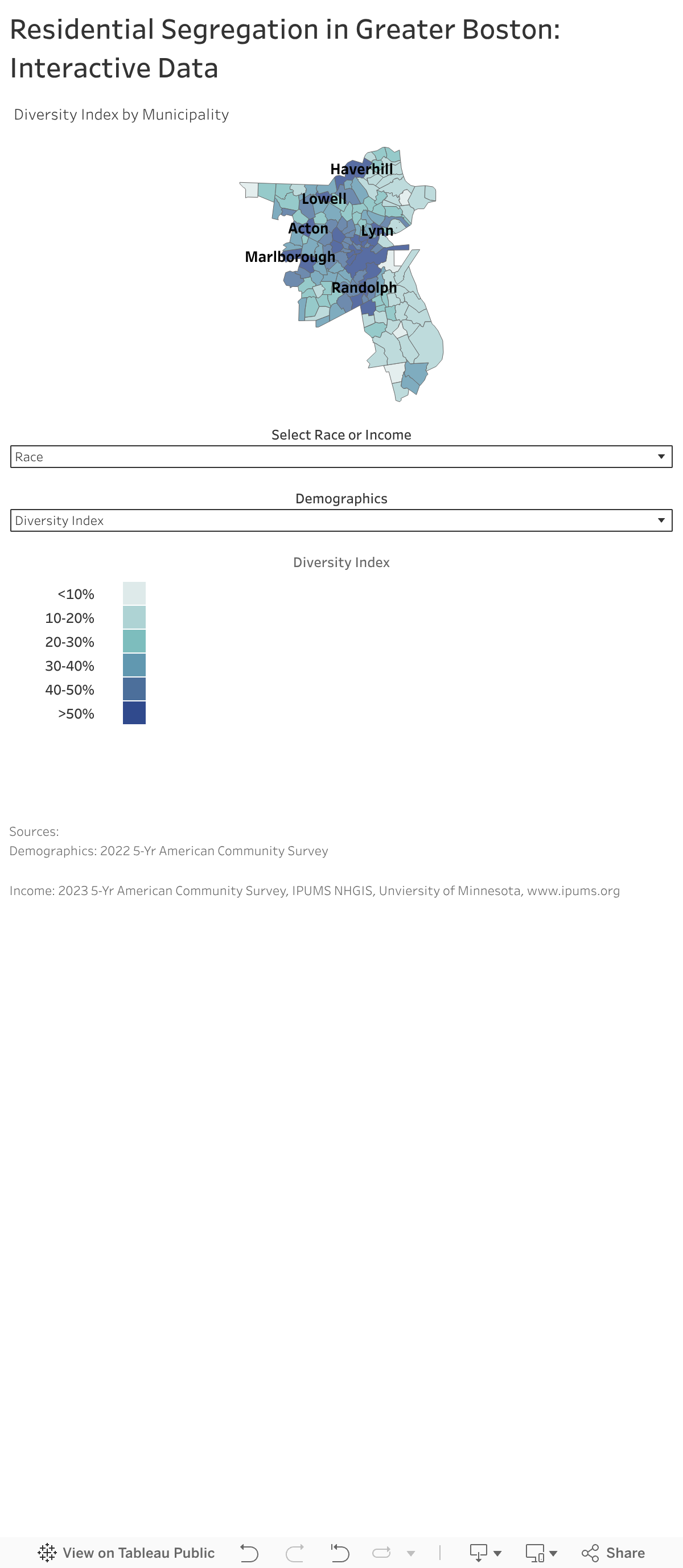
While the economic benefits are documented, the social costs of integration present significant challenges. The Swedish government has struggled to bridge the gap between arrival and full economic participation for many humanitarian migrants. High levels of unemployment and residential segregation in certain urban areas have complicated the social fabric of many Swedish municipalities.
Integration is not merely a social goal; it is an economic imperative. If a significant portion of the immigrant population remains outside the formal labor market, the projected economic benefits of migration are neutralized. This “integration gap” can lead to increased social tension and political polarization, as seen in the rise of parties advocating for much stricter border controls and more restrictive asylum policies.
Key areas of concern for policymakers include:
- Language Proficiency: The ability to communicate effectively in Swedish is the single largest barrier to entering the professional workforce.
- Credential Recognition: Many highly skilled immigrants find their foreign degrees and certifications are not recognized by Swedish employers, leading to “brain waste” where doctors or engineers work in low-skilled service jobs.
- Residential Segregation: Concentrated areas of low income and low employment can make it harder for new arrivals to build the social networks necessary for job hunting.
The cost of addressing these issues is substantial. Municipalities must fund Swedish-as-a-second-language (SVA) programs, vocational training, and social assistance. The success of Swedish policy depends on whether these upfront investments lead to long-term tax-paying citizens or long-term welfare dependency.
How has Swedish immigration policy changed recently?
The Swedish approach to migration has undergone a fundamental shift over the last decade. Following the 2015 migration crisis, the political consensus moved away from the “open doors” philosophy that characterized much of the early 2000s. The current political landscape, shaped by the Tidö Agreement, emphasizes much stricter requirements for residency and asylum.

The new policy direction focuses on several key transitions:
- From Asylum to Labor: There is a clear move toward prioritizing labor migration over humanitarian migration. This is intended to ensure that those entering the country are more likely to be immediate contributors to the economy.
- Stricter Requirements: New regulations are introducing higher salary thresholds for work permits, aimed at preventing the use of low-wage migration to undercut the domestic labor market.
- Increased Focus on Repatriation: For the first time in recent history, there is a formal political emphasis on encouraging “voluntary return” for individuals who no longer have a legal right to stay in the country.
This shift reflects a desire to rebalance the “social contract.” The government argues that for the Swedish welfare model to survive, the state must have greater control over who enters and ensure that those who do stay are successfully integrated into the workforce. This represents a move toward a more utilitarian view of migration, where the primary metric of success is economic and social compatibility.
The debate is far from settled. While some see these restrictions as necessary to protect social cohesion and the welfare state, others argue they may exacerbate labor shortages and damage Sweden’s reputation as a destination for global talent.
Comparison: Labor Migration vs. Humanitarian Migration
To understand the different economic impacts, it is helpful to compare the two primary drivers of migration in Sweden. While both contribute to population growth, their immediate fiscal profiles differ significantly.
| Feature | Labor Migration | Humanitarian Migration |
|---|---|---|
| Primary Driver | Economic demand/Skill gaps | Conflict/Persecution |
| Immediate Fiscal Impact | Positive (Immediate tax contribution) | Negative (Initial cost of support/integration) |
| Employment Speed | Very High | Variable (Depends on integration success) |
| Long-term Economic Role | Filling specific industry gaps | Demographic replenishment |
The distinction is vital for policymakers. Labor migration acts as a direct response to market signals, whereas humanitarian migration requires a more proactive, state-led approach to ensure that the newcomers eventually become economic contributors.
The next major checkpoint for Swedish migration policy will be the upcoming implementation of the new salary threshold requirements for work permits, which is expected to impact the recruitment of non-EU workers in lower-wage sectors. Observers are watching closely to see if this will alleviate wage pressure or create new vacancies in the service economy.
What do you think about the balance between economic necessity and social integration in Sweden? Share your thoughts in the comments below and share this article to join the conversation.
Related reading