
Electroconvulsive therapy (ECT) remains as effective for treating severe depression in routine clinical practice as it is in highly controlled research settings, according to recent clinical data. While randomized controlled trials (RCTs) have long established ECT as a gold-standard intervention for treatment-resistant depression, real-world evidence confirms that these outcomes translate consistently to everyday psychiatric care. Physicians and researchers are increasingly focusing on this parity to reassure patients and healthcare providers about the reliability of the treatment outside of academic environments.
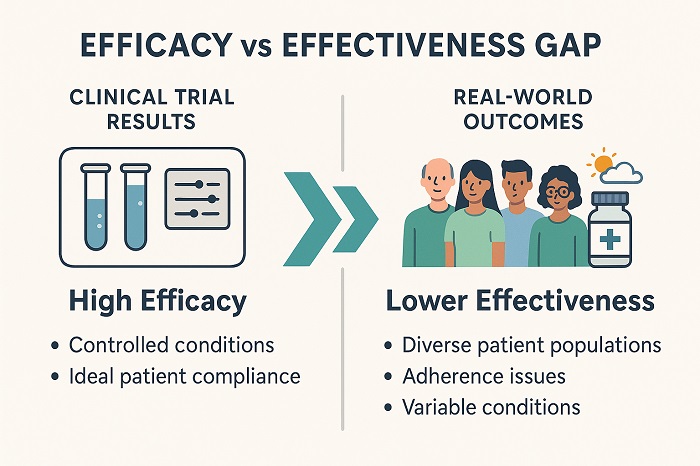
The persistent gap between efficacy—how well a treatment works in a trial—and effectiveness—how well it works in the real world—has historically been a point of scrutiny in psychiatry. Recent analyses suggest that the standardized protocols used in modern ECT delivery have successfully minimized this variance. According to the National Institute for Health and Care Excellence (NICE), ECT is indicated for severe depressive illness that has not responded to other treatments, provided it is administered under strict clinical safety guidelines.
Understanding ECT Efficacy in Clinical Settings
Electroconvulsive therapy involves the application of a brief electrical stimulus to the brain to induce a controlled seizure while the patient is under general anesthesia. Modern practice emphasizes patient safety, utilizing muscle relaxants to prevent injury and precise monitoring of brain activity. The American Psychiatric Association (APA) reports that ECT is one of the most effective treatments in psychiatry, with response rates often exceeding those of pharmacological interventions for patients with treatment-resistant depression.

Clinical data indicates that the “real-world” success of ECT is largely attributed to the rigorous training of multidisciplinary teams. In practice, psychiatrists, anesthesiologists, and specialized nurses work in concert to monitor titration—the process of adjusting the electrical dose to achieve the therapeutic seizure threshold. This individualized approach mirrors the systematic nature of clinical trials, effectively closing the gap between research-based efficacy and clinical-based effectiveness.
Bridging the Gap: Research vs. Reality
Historically, concerns existed that the complexity of ECT delivery in busy hospital settings might diminish its therapeutic impact compared to the pristine, controlled conditions of a research trial. However, current outcomes suggest that the institutionalization of standardized operating procedures has mitigated these risks. The Lancet Psychiatry has published evidence highlighting that even in diverse clinical populations, the symptom reduction scores for patients undergoing ECT remain comparable to those observed in high-level studies.

This consistency is significant because it validates the continued integration of ECT into hospital-based mental health services. As healthcare systems evaluate the cost-effectiveness and patient outcomes of various psychiatric interventions, the ability to replicate trial-level success in daily practice serves as a cornerstone for policy decisions regarding coverage and access.
Safety, Monitoring, and Patient Outcomes
Patient safety remains the primary focus of ECT delivery in modern psychiatry. The procedure is typically performed in a series of sessions, often twice or three times weekly, with the total number of treatments determined by clinical response. According to guidelines from the Royal College of Psychiatrists, side effects such as temporary memory impairment are monitored closely, and clinicians are trained to adjust stimulation parameters to maximize cognitive safety.
The following table summarizes the key factors contributing to the alignment of research and practice:
| Factor | Research Setting | Clinical Practice |
|---|---|---|
| Protocol Standardization | High (Fixed) | High (Individualized) |
| Patient Monitoring | Continuous (EEG/ECG) | Continuous (Standard of Care) |
| Multidisciplinary Input | Mandatory | Mandatory |
Future Directions in Neuromodulation
As the field moves forward, the focus is shifting toward refining patient selection criteria and exploring maintenance therapies to prevent relapse. Research is ongoing to determine which biological markers might predict a patient’s specific response to ECT, potentially allowing for even higher success rates in the future. Healthcare providers are encouraged to stay updated with the latest clinical advisories issued by national health boards to ensure adherence to evolving standards of care.
The next major update regarding clinical guidelines for neuromodulation is expected following the upcoming review cycle by international psychiatric associations. For patients and families seeking more information, official resources are available through hospital psychiatric departments and national health service portals. We welcome your thoughts on how these clinical findings shape your perspective on psychiatric care—please feel free to share your insights in the comments below.
Worth a look