
Victims of life-altering accidents in the Columbus, Ohio, and Charleston, West Virginia, regions often require specialized legal counsel to navigate the complex litigation associated with catastrophic injuries. These legal cases typically involve claims for permanent disability, long-term medical care, and significant lost earning capacity, necessitating a deep understanding of both state-specific statutes and medical-legal intersections.
Legal professionals specializing in these jurisdictions focus on securing compensation for injuries that fundamentally alter a victim’s quality of life. While the specific legal requirements vary between Ohio and West Virginia, the core objective remains the recovery of damages related to negligence, whether stemming from motor vehicle accidents, workplace incidents, or medical malpractice.
Defining Catastrophic Injury in Personal Injury Law
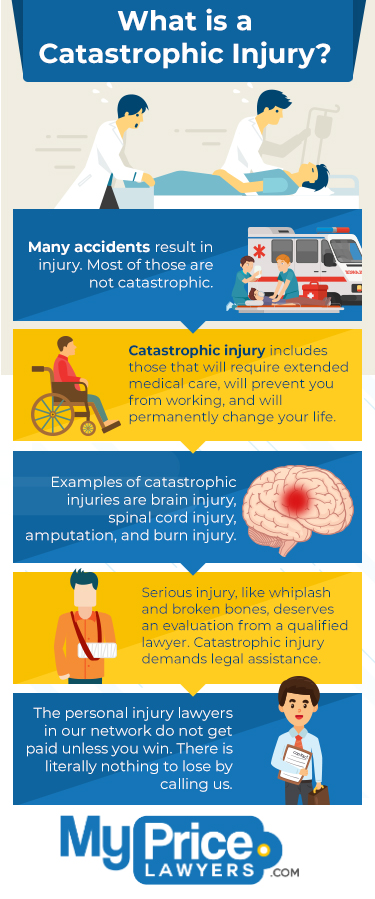
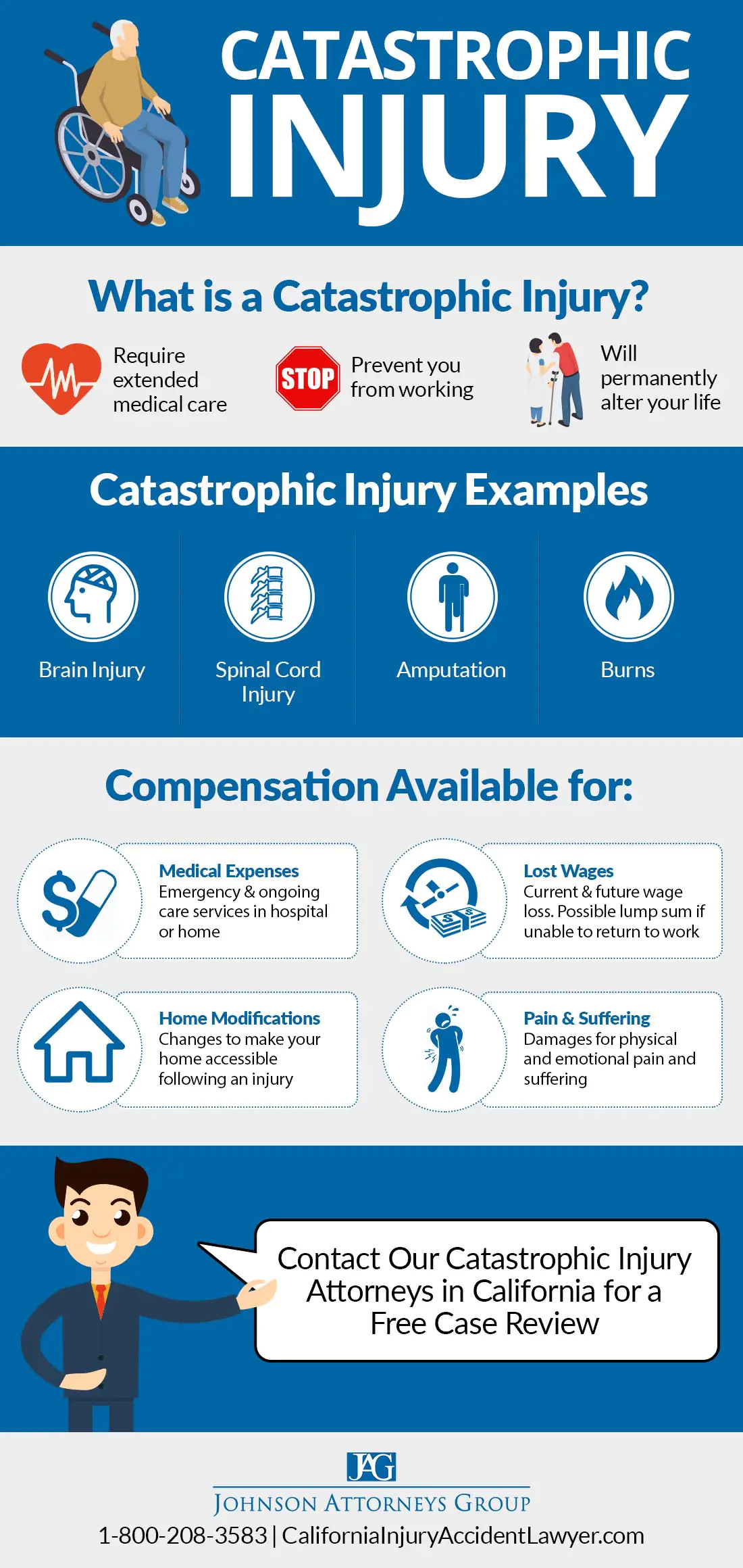
In the context of personal injury litigation, a “catastrophic injury” refers to an accident or event that results in severe, permanent, and often life-long physical or psychological damage. Unlike standard personal injury claims, which may involve temporary ailments like broken bones or soft tissue damage, catastrophic claims involve injuries that require ongoing medical intervention and significant lifestyle adjustments.
Common categories of catastrophic injuries addressed by attorneys in the Columbus and Charleston corridors include:
- Traumatic Brain Injuries (TBI): Damage to the brain caused by external force, often resulting in cognitive impairment, sensory loss, or personality changes.
- Spinal Cord Injuries: Damage to the spinal cord that can result in varying degrees of paralysis, including paraplegia or quadriplegia.
- Amputations and Limb Loss: The loss of a limb due to trauma, which necessitates prosthetic management and physical rehabilitation.
- Severe Burn Injuries: Injuries that damage multiple layers of skin and underlying tissue, often requiring skin grafts and long-term pain management.
- Organ Damage and Failure: Life-threatening trauma to internal organs resulting from blunt force or penetrating wounds.
Because these injuries carry immense financial and emotional weight, the litigation process is significantly more rigorous than standard claims. Attorneys must coordinate with medical experts, accident reconstructionists, and vocational specialists to build a comprehensive case that accounts for the victim’s needs for decades to come.
Legal Recourse in Columbus, Ohio: Statutes and Standards
Navigating a personal injury claim in Columbus requires adherence to Ohio’s specific legal framework. Ohio follows a modified comparative negligence system. Under this rule, an injured party can recover damages as long as their own fault does not exceed 50 percent of the total cause of the accident. If a plaintiff is found to be 30 percent at fault, their total compensation is reduced by that 30 percent.
The statute of limitations in Ohio is a critical factor for victims. Generally, individuals have two years from the date of the injury to file a personal injury lawsuit. This window applies to most negligence-based claims, including motor vehicle accidents and premises liability. Missing this deadline can result in the permanent loss of the right to seek legal redress.
In Columbus, the legal landscape is heavily influenced by high-traffic corridors and industrial activity, which can lead to complex multi-party liability cases. Legal representation in this region often focuses on documenting the specific chain of events that led to the injury, particularly in cases involving commercial trucking or municipal negligence.
Navigating Personal Injury Law in Charleston, West Virginia
In Charleston and the broader West Virginia area, the legal approach to catastrophic injury differs slightly from its neighbor in Ohio. West Virginia also utilizes a comparative negligence standard, but the application of “contributory negligence” principles can vary based on specific case facts and judicial interpretation.
The statute of limitations for personal injury in West Virginia is typically two years from the date the cause of action accrued. However, certain exceptions exist, such as claims against government entities, which may require much earlier notice of intent to sue. This makes early consultation with a Charleston-based attorney vital for victims of accidents involving state or local agencies.
West Virginia’s legal environment often contends with unique regional risks, including industrial accidents and specialized transportation-related incidents. Attorneys in the Charleston area frequently manage cases that require extensive investigation into workplace safety standards and regulatory compliance to establish liability.
The Role of Specialized Attorneys in High-Stakes Litigation
For victims in the Columbus and Charleston regions, a general practitioner may lack the resources required for a catastrophic injury case. Specialized personal injury lawyers, such as those at firms like Mani Ellis & Layne Accident & Injury Lawyers, focus their practice on the intensive demands of high-stakes litigation.
The involvement of a specialized firm typically includes several critical phases of preparation:
1. Comprehensive Investigation and Evidence Gathering
Catastrophic injury cases rely heavily on objective evidence. Attorneys work to secure police reports, surveillance footage, black box data from vehicles, and witness statements. In cases involving medical malpractice or industrial accidents, this may also include the seizure of internal corporate documents or medical records to identify deviations from the standard of care.
2. Deployment of Expert Witnesses
To prove the extent of a catastrophic injury and its future implications, legal teams must employ expert witnesses. This includes:
- Medical Experts: To testify regarding the nature of the injury and the necessity of future treatments.
- Life Care Planners: To calculate the total cost of medical care, equipment, and home assistance over the victim’s lifetime.
- Vocational Experts: To assess the impact of the injury on the victim’s ability to work and their future earning potential.
- Accident Reconstructionists: To provide scientific analysis of how the collision or incident occurred.
3. Managing Complex Negotiations and Trials
Insurance companies often attempt to settle catastrophic claims quickly and for lower amounts, frequently citing the victim’s potential fault or questioning the permanence of the injury. Specialized attorneys are trained to resist these tactics, ensuring that settlement offers reflect the true long-term economic and non-economic damages.
Calculating Compensation for Permanent Disability
Determining the value of a catastrophic injury claim is a complex mathematical and medical exercise. Compensation is generally divided into two primary categories: economic damages and non-economic damages.
Economic Damages are quantifiable financial losses. These include:
- Immediate and future medical expenses (surgeries, medication, physical therapy).
- Cost of medical equipment (wheelchairs, home modifications, specialized vehicles).
- Lost wages and the loss of future earning capacity.
- Costs associated with home health care or long-term nursing facilities.
Non-Economic Damages are more subjective and intended to compensate for the human impact of the injury. These include:
- Pain and suffering.
- Loss of enjoyment of life (inability to participate in hobbies or family activities).
- Emotional distress and psychological trauma.
- Loss of consortium (impact on relationships with spouses or family members).
In both Ohio and West Virginia, the ability to prove these damages is the difference between a settlement that covers initial costs and one that ensures a victim’s long-term survival and dignity. Attorneys use life care plans and detailed economic reports to present these figures to adjusters and juries.
Comparison of Legal Standards: Ohio vs. West Virginia
| Feature | Ohio (Columbus) | West Virginia (Charleston) |
|---|---|---|
| Comparative Negligence | Modified (Recovery barred if >50% at fault) | Comparative (Standard varies by case type) |
| Statute of Limitations | Generally 2 years | Generally 2 years (exceptions for government) |
| Key Focus Areas | Urban traffic, industrial, medical malpractice | Industrial, regional transport, state liability |
Frequently Asked Questions
How long should I wait to contact a lawyer after a catastrophic injury?
Legal experts recommend contacting an attorney as soon as possible. Early intervention allows for the preservation of evidence, such as scene photos and witness contact information, which can disappear quickly. Furthermore, it ensures that the statute of limitations is monitored closely.

Will my settlement cover my medical bills for the rest of my life?
A properly negotiated settlement in a catastrophic injury case should include “future medical expenses.” This is calculated by medical experts and life care planners to estimate the total cost of care from the time of the accident through the victim’s expected lifespan.
What if I was partially responsible for the accident?
In both Ohio and West Virginia, being partially at fault does not automatically disqualify you from compensation. However, under comparative negligence laws, your total award will be reduced by your percentage of fault. A specialized attorney can help argue for a lower percentage of fault to maximize your recovery.
Legal proceedings regarding catastrophic injuries are ongoing developments in the regional court systems of Columbus and Charleston. Future updates regarding specific changes to state negligence statutes or landmark rulings in these jurisdictions will be monitored closely.
If you or a loved one has suffered a life-altering injury, please share this information with others who may need it. We welcome your comments and insights on legal protections for injury victims in the comments section below.
Related reading