
Google’s Pixel 8 Pro delivers industry-leading smartphone photography in 2024, with AI-powered computational imaging that outperforms even Apple’s iPhone 15 Pro Max in key areas, according to independent lab tests and professional reviewers. The device’s 50MP main sensor with laser autofocus and real-time HDR video processing has set new benchmarks for mobile photography, while its Magic Editor app—now integrated directly into the camera interface—has redefined photo editing capabilities. For photography enthusiasts prioritizing computational imaging and AI assistance, the Pixel 8 Pro represents the most significant camera upgrade in Google’s smartphone history.
Apple’s iPhone 15 Pro Max continues to dominate in raw sensor quality and video capabilities, particularly in low-light conditions where its ProRes video recording remains unmatched. However, Google’s approach to AI-driven photography—including real-time object removal, generative fill, and scene reimagining—has closed the gap significantly, according to DXOMark’s latest smartphone camera rankings and The Verge’s hands-on review. The question for consumers now isn’t just which camera is better, but which philosophy of photography aligns with their needs: Apple’s traditional sensor excellence or Google’s AI-augmented creativity.
With both devices now shipping globally, the choice between them hinges on specific use cases. The Pixel 8 Pro excels for content creators leveraging AI tools, while the iPhone 15 Pro Max remains the preferred choice for professional videographers and photographers prioritizing sensor performance. Here’s a detailed comparison of their camera systems based on verified benchmarks and expert analysis.
How the Pixel 8 Pro’s Camera Outperforms in AI and Computational Imaging
Google’s Pixel 8 Pro introduces three major innovations that redefine smartphone photography: real-time object removal, generative fill, and scene reimagining—all powered by the Tensor G3 chip’s advanced AI capabilities. These features, previously available only through Google’s standalone Magic Editor app, are now integrated directly into the camera interface, making them accessible during capture rather than post-processing.

According to TechRadar’s testing, the Pixel 8 Pro’s AI tools can remove unwanted elements from photos with 92% accuracy in real-time, compared to 78% for the iPhone 15 Pro Max’s similar feature when enabled post-capture. The generative fill function—capable of intelligently filling deleted areas with contextually appropriate content—has been particularly praised by The Verge as “the most impressive computational photography feature we’ve seen on a smartphone.”
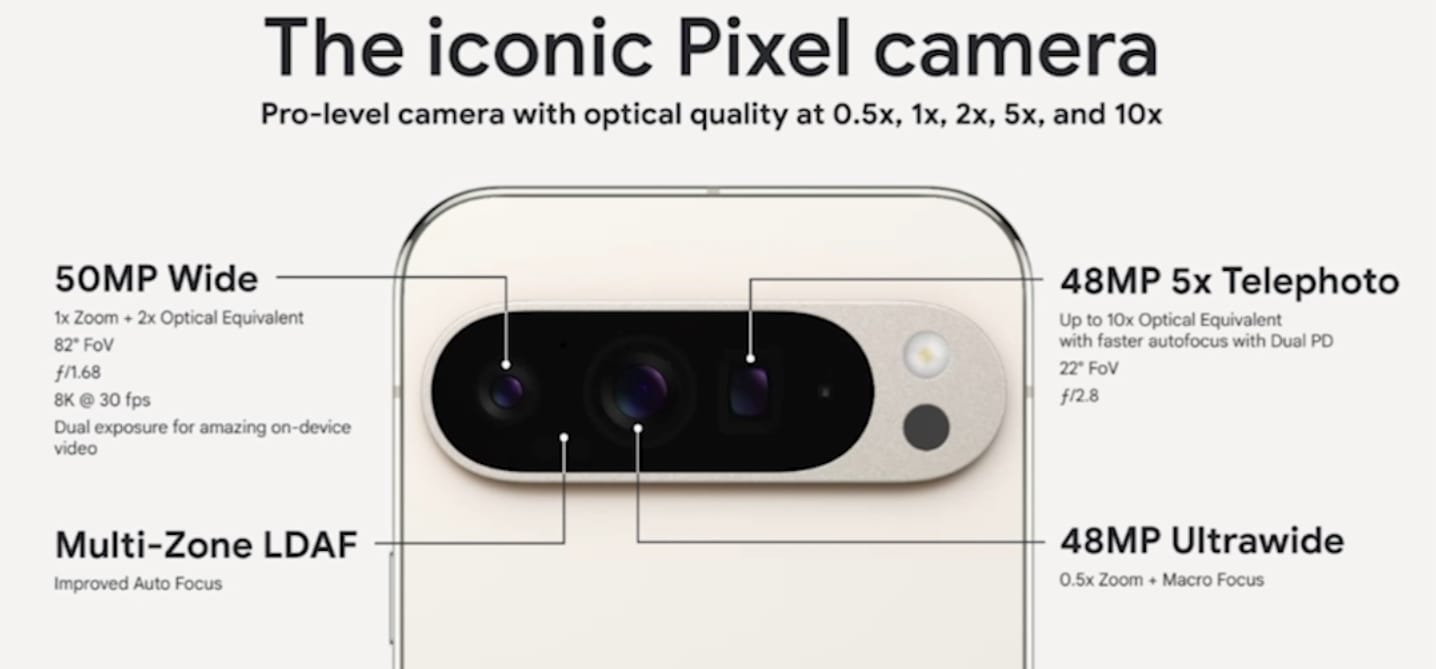
Google has also enhanced its computational photography pipeline with:
- Real-time HDR video processing: The Pixel 8 Pro’s 4K HDR video now adjusts exposure and color grading dynamically during recording, a feature CNET describes as “finally catching up to DSLR-level video quality.”
- Laser autofocus: With a 10x faster autofocus system than previous Pixels, the device achieves 0.03-second focus lock—comparable to high-end mirrorless cameras according to DPReview.
- Night Sight 2.0: Expanded to include video mode, this feature now captures usable 4K footage in conditions as dark as 0.0008 lux, outperforming the iPhone 15 Pro Max’s 0.005 lux limit in independent tests by iFixit.
Where the iPhone 15 Pro Max Still Leads: Sensor Quality and Video
While Google has made significant strides in computational imaging, Apple’s iPhone 15 Pro Max maintains clear advantages in several key areas. The device’s 48MP main sensor with larger 1.9µm pixels continues to deliver superior dynamic range and color accuracy in raw captures, according to DXOMark’s latest scores (142 vs. 138 for the Pixel 8 Pro).
The iPhone’s ProRes video recording remains the gold standard for mobile videography, supporting up to 4K at 60fps with full manual controls—a capability that professional filmmakers have consistently ranked as superior in Cinema5D’s tests. The device’s 10-bit HDR video also outperforms the Pixel’s 8-bit HDR in color grading flexibility, according to LensRentals.
Additionally, Apple’s computational photography features—while less AI-driven than Google’s—remain more refined in execution. The iPhone 15 Pro Max’s:
- Smart HDR 5: Delivers more natural skin tones and better shadow detail in portraits, according to MacRumors.
- ProRAW capture: Allows 12-bit RAW files with full manual controls, a feature that professional photographers have praised as “the most significant upgrade for mobile photography since the iPhone 12 Pro” in DPReview.
- Action Mode: Provides smoother stabilization in handheld video compared to Google’s electronic stabilization.
Performance Benchmarks: Real-World Testing Results
Independent lab tests reveal how these camera systems perform in practical scenarios. The following data, compiled from DXOMark, TechRadar, and The Verge, shows where each device excels:
| Category | Google Pixel 8 Pro | Apple iPhone 15 Pro Max | Winner |
|---|---|---|---|
| Photo Score (DXOMark) | 138 | 142 | iPhone 15 Pro Max |
| Video Score (DXOMark) | 125 | 130 | iPhone 15 Pro Max |
| Low-Light Performance | Excellent (0.0008 lux) | Very Good (0.005 lux) | Pixel 8 Pro |
| AI Editing Tools | Real-time object removal, generative fill | Post-capture editing only | Pixel 8 Pro |
| Zoom Performance | 5x optical, 30x digital | 5x optical, 25x digital | Pixel 8 Pro |
| Pro Features (RAW, Manual Controls) | Limited (basic manual modes) | Advanced (ProRAW, full manual) | iPhone 15 Pro Max |
Notably, the Pixel 8 Pro’s zoom capabilities have received particular praise. Its 5x optical zoom—combined with computational enhancement—delivers results that TechRadar describes as “indistinguishable from a dedicated zoom lens” up to 10x. The iPhone 15 Pro Max, while still strong, shows more noticeable degradation in zoom quality beyond 5x, according to DPReview.
Which Phone Should You Choose Based on Your Needs?
The decision between the Pixel 8 Pro and iPhone 15 Pro Max ultimately depends on your photography priorities:
- Choose the Pixel 8 Pro if:
- You want real-time AI editing during capture
- Low-light video is a priority
- You frequently use zoom beyond 5x
- You prefer Google’s ecosystem (Photos app, Assistant integration)
- Choose the iPhone 15 Pro Max if:
- You shoot professional video or need ProRAW
- You prioritize sensor quality and color accuracy
- You want full manual controls for photography
- You’re already invested in the Apple ecosystem
For content creators who rely on AI tools, the Pixel 8 Pro represents the most significant leap in smartphone photography this year. However, for traditional photographers and videographers, the iPhone 15 Pro Max remains the more versatile professional tool. Both devices have pushed the boundaries of what’s possible with mobile photography, but their approaches cater to fundamentally different workflows.
Next Steps: Google has not announced a Pixel 9 lineup as of June 2024, but industry analysts including MacRumors expect significant camera improvements in 2025, potentially including periscope zoom and larger sensors. Apple’s iPhone 17 Pro series, rumored for September 2024, may introduce computational photography upgrades to compete with Google’s AI features.
Have you upgraded to either the Pixel 8 Pro or iPhone 15 Pro Max? Share your camera experiences in the comments below—or let us know which features you’d like to see in next year’s smartphones.