Tirzepatide Shows Greatest Weight Loss Among GLP-1 Drugs, New Meta-Analysis Finds
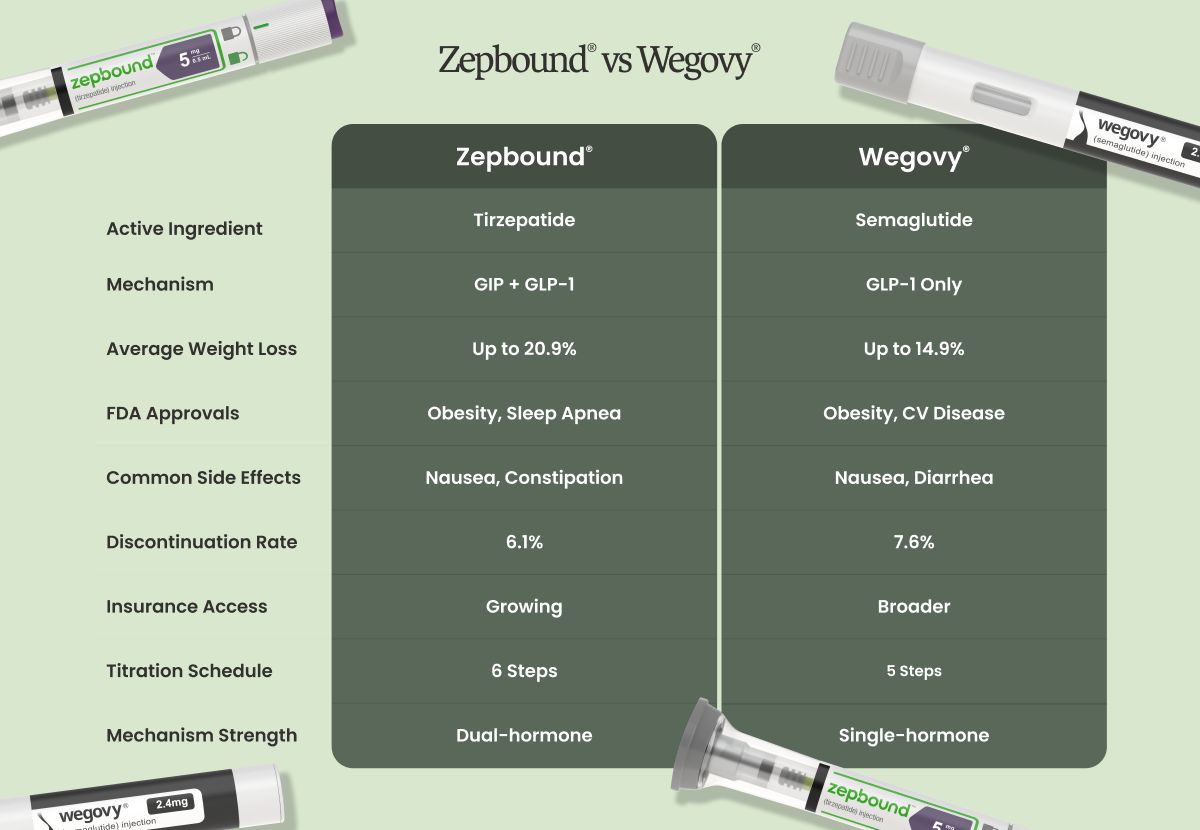
Tirzepatide (marketed as Zepbound for weight loss and Mounjaro for type 2 diabetes) outperforms other GLP-1 medications in helping patients lose weight, according to the first meta-analysis comparing three FDA-approved drugs in nondiabetic individuals. Researchers at the University of Georgia College of Pharmacy analyzed 15 Phase 3 clinical trials involving over 14,000 patients and found tirzepatide led to an average weight loss of more than 20% of starting body weight—significantly higher than semaglutide (Wegovy) at 15% and liraglutide (Saxenda) at 8%.
The study, published in Obesity, highlights tirzepatide’s dual mechanism—targeting both GLP-1 and GIP receptors—while other drugs focus solely on GLP-1. However, experts caution that weight regain is common after discontinuation, and side effects like nausea remain prevalent across all three medications.
Key Finding: Tirzepatide delivered the most substantial weight reduction (over 20%) with fewer gastrointestinal side effects than expected, according to Pooja Gokhale, the study’s lead author and doctoral student at the University of Georgia College of Pharmacy.
Why Tirzepatide Stands Out in Weight Loss Medications
GLP-1 medications have transformed weight management since their FDA approval, but until now, no study had directly compared their efficacy in nondiabetic patients. The University of Georgia analysis fills this gap, revealing tirzepatide’s superiority in both weight reduction and patient tolerance.
How the drugs compare:
- Tirzepatide (Zepbound/Mounjaro): 20%+ weight loss at maximum doses (10–15 mg weekly)
- Semaglutide (Wegovy/Ozempic): 15% weight loss (injectable) or ~12% for the 25 mg oral version
- Liraglutide (Saxenda): 8% weight loss (daily injections)
The difference stems from tirzepatide’s dual-action mechanism. While semaglutide and liraglutide mimic the GLP-1 hormone to reduce appetite and slow digestion, tirzepatide also targets the GIP receptor, potentially enhancing satiety and metabolic effects. “This dual pathway may explain why tirzepatide works better,” says Lorenzo Villa-Zapata, assistant professor at UGA and co-author of the study.
Expert Perspective: “Some people call these ‘miracle drugs’ because the weight loss effect is real,” Villa-Zapata notes. “But what some don’t understand is that when they stop taking the medication, they may gain all that weight back.” The study did not evaluate weight regain after discontinuation, though prior research suggests rebound effects are common.
How the Study Was Conducted: Methodology and Limitations
The researchers analyzed data from 15 randomized controlled Phase 3 trials involving over 14,000 participants. All studies focused on nondiabetic adults using GLP-1 medications for weight loss, with follow-up periods ranging from 6 to 68 weeks.
Key limitations:
- No evaluation of weight regain after drug discontinuation
- Limited data on long-term side effects beyond 68 weeks
- Variability in study populations (e.g., baseline BMI, comorbidities)
The analysis also confirmed that tirzepatide’s efficacy scaled with dosage, with the highest weight loss observed at 10–15 mg weekly. Semaglutide’s oral version (25 mg), approved by the FDA in November 2023, performed nearly as well as its injectable counterpart but still lagged behind tirzepatide.
Data sourced from Obesity meta-analysis (2024) and FDA drug labels.
What This Means for Patients and Healthcare Providers
The findings have immediate implications for clinicians and patients weighing GLP-1 options. While tirzepatide shows the greatest weight loss potential, several factors influence drug selection:
- Cost: Tirzepatide is currently the most expensive option, with Zepbound priced at over $1,300/month without insurance.
- Side Effects: All three drugs commonly cause nausea, vomiting, and diarrhea, though tirzepatide’s side effect profile was comparable to semaglutide in the study.
- Convenience: Tirzepatide and semaglutide offer weekly dosing, while liraglutide requires daily injections.
- Insurance Coverage: Coverage varies by plan; some insurers prefer semaglutide due to longer market availability.
Dr. Emily Wang, an endocrinologist at Massachusetts General Hospital, notes that “while tirzepatide may be the most effective for weight loss, it’s not a magic bullet. Patients still need to combine medication with diet and exercise for sustained results.” She adds that the study’s focus on nondiabetic patients means these results may not directly apply to those with type 2 diabetes.
Patient Considerations: The FDA warns that GLP-1 medications carry risks of thyroid tumors (in animal studies), pancreatitis, and gallbladder problems. Patients should discuss their medical history with providers before starting treatment.
The Broader Impact: GLP-1 Drugs in a Growing Market
GLP-1 medications have become a cultural phenomenon, with Kaiser Family Foundation (KFF) data showing that about 1 in 8 Americans have used these drugs, and 1 in 5 have tried them in the past. The market’s rapid expansion reflects both their efficacy and the obesity epidemic’s growing prevalence.
However, the study’s authors emphasize that the “miracle drug” label is misleading. “These medications are tools, not solutions,” says Villa-Zapata. “They help create a calorie deficit, but patients must maintain lifestyle changes to keep weight off long-term.”
The research also raises questions about access. While tirzepatide shows the best results, its high cost may limit availability, particularly in regions without robust healthcare subsidies. “We need more affordable options and better insurance coverage to make these treatments accessible to all who need them,” says Gokhale.
What Happens Next: Research and Regulatory Outlook
The study’s publication in Obesity comes as pharmaceutical companies race to develop next-generation GLP-1 drugs with improved efficacy and fewer side effects. Key developments to watch:
- New Oral Formulations: Eli Lilly and Novo Nordisk are testing higher-dose oral semaglutide (up to 100 mg) and tirzepatide variants, which could further simplify administration.
- Combination Therapies: Research is exploring GLP-1 drugs paired with other mechanisms (e.g., GIP + GLP-1 + glucagon) to enhance results.
- FDA Guidance: The agency is expected to release updated prescribing guidelines for GLP-1 medications in 2025, addressing long-term safety and weight regain risks.
- Real-World Data: Large-scale observational studies (e.g., through electronic health records) will provide insights into long-term outcomes beyond clinical trials.
The next major checkpoint will be the FDA’s Endocrinologic and Metabolic Drugs Advisory Committee meeting in early 2025, where experts will review new data on GLP-1 safety and efficacy. “This will be critical for shaping how these drugs are used in clinical practice,” says Dr. Wang.
Reader Resources:
- FDA Drug Approval Database – Official drug labels and safety information
- Obesity Journal – Access the full meta-analysis
- KFF Health Tracking Polls – U.S. trends in GLP-1 medication use
- American College of Endocrinology – Clinical practice guidelines
Frequently Asked Questions About GLP-1 Weight Loss Drugs
1. Can I take tirzepatide if I have type 2 diabetes?
Yes, tirzepatide is approved under the brand name Mounjaro for type 2 diabetes. However, the University of Georgia study focused on nondiabetic patients, so its weight loss results may not directly apply to diabetic individuals. Always consult your healthcare provider before starting any new medication.
2. How soon will I see weight loss on these drugs?
Most patients begin noticing weight loss within 4–8 weeks, with the most significant changes occurring after 3–6 months of consistent use. The study did not break down timelines by drug, but clinical trials show semaglutide and tirzepatide typically deliver faster initial results than liraglutide.
3. What are the most common side effects?
All three drugs commonly cause:
- Nausea (affecting 20–40% of users)
- Vomiting (10–20%)
- Diarrhea or constipation (15–25%)
- Stomach pain (10–15%)
Side effects are usually mild to moderate and often improve after the first few weeks. The study found tirzepatide’s side effect profile was comparable to semaglutide but better tolerated than expected.
4. Will I gain the weight back if I stop taking the medication?
Yes, weight regain is common after discontinuation. The study did not evaluate this, but prior research shows many patients regain 30–50% of lost weight within 6–12 months of stopping GLP-1 medications. Lifestyle changes (diet, exercise) are critical for maintaining results.
5. Are there any long-term risks?
The FDA requires a boxed warning about potential thyroid C-cell tumors (observed in animal studies) and pancreatitis risk. Long-term data is still emerging, but current evidence suggests benefits outweigh risks for appropriately selected patients. The study authors call for more research on outcomes beyond 2 years.
Final Considerations: Balancing Efficacy with Reality
While tirzepatide’s dominance in weight loss is clear, the study underscores that GLP-1 medications are not panaceas. “They’re powerful tools, but they require commitment,” says Gokhale. “Patients must be realistic about the effort needed to sustain results.”
The meta-analysis also highlights gaps in current research, particularly around weight regain and long-term safety. As more data emerges, healthcare providers will be better equipped to tailor treatments to individual needs.
For now, the takeaway is straightforward: if maximizing weight loss is the primary goal, tirzepatide offers the most robust option among FDA-approved GLP-1 drugs. But the decision should always involve a thorough discussion with a healthcare provider to weigh benefits against risks and personal health goals.
Next Steps: The FDA’s Endocrinologic and Metabolic Drugs Advisory Committee will review updated GLP-1 safety data in early 2025. In the meantime, patients can:
- Check insurance coverage for specific drugs
- Discuss side effect management strategies with providers
- Monitor for potential long-term risks through regular check-ups
Have you used a GLP-1 medication for weight loss? Share your experience in the comments below. For medical advice, consult your healthcare provider. Stay informed by following World Today Journal’s Health section for updates on emerging research and regulatory developments.
Keep reading