
Psychodermatology—the emerging field linking skin conditions to psychological and emotional well-being—is fundamentally altering how dermatologists diagnose and treat patients worldwide. According to the American Academy of Dermatology (AAD), up to 30% of dermatological cases have a psychological component, yet many patients remain undiagnosed or mistreated due to fragmented care. The shift toward integrated psychodermatology—where dermatologists and mental health professionals collaborate—is now considered essential in routine practice, particularly for chronic conditions like psoriasis, eczema, and even rare disorders such as delusional infestation.
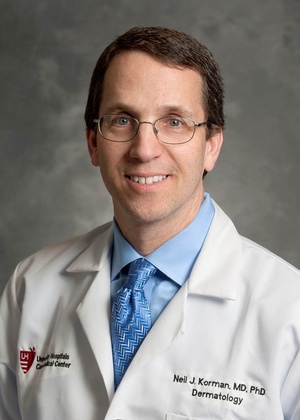
This transformation reflects decades of research showing that stress, anxiety, and depression can exacerbate skin diseases, while untreated dermatological conditions often worsen mental health. “The skin is the largest organ of the body and a mirror of the mind,” says Dr. Neil Korman, a leading psychodermatologist and professor at the University of Florida. “Patients with psoriasis, for example, are three times more likely to develop depression, yet many dermatologists lack training in recognizing or addressing these connections.” The World Health Organization (WHO) estimates that depression affects over 280 million people globally, with skin conditions like acne and rosacea often serving as early warning signs.
The growing recognition of psychodermatology as a specialized field has led to the establishment of dedicated clinics, updated treatment guidelines, and even new medical training programs. In the U.S., the American Academy of Dermatology now includes psychodermatology modules in its residency curriculum, while the International Society for Psychodermatology has expanded its global reach, hosting annual conferences that draw thousands of clinicians. Meanwhile, Europe’s European Academy of Dermatology and Venereology (EADV) has integrated psychodermatology into its 2024 guidelines, emphasizing the need for interdisciplinary collaboration.
Why Psychodermatology Matters: The Science Behind the Shift
The connection between skin and psyche is rooted in biology. Stress triggers the release of cortisol, which can disrupt the skin barrier and promote inflammation—a key driver of conditions like psoriasis and atopic dermatitis. Conversely, chronic skin diseases can lead to social isolation, embarrassment, and depression, creating a vicious cycle. “Patients often describe their skin as a ‘third wheel’ in their relationships,” notes Dr. Peter Liossi, a psychodermatologist at the University of Manchester. “The stigma of visible conditions like acne or vitiligo can be as damaging as the physical symptoms.”

Delusional infestation—a psychiatric condition where patients believe they are infested with parasites—illustrates the extreme end of this spectrum. Studies published in the Journal of the American Academy of Dermatology show that up to 20% of patients with chronic skin conditions may exhibit delusional symptoms, yet fewer than 10% receive proper psychiatric evaluation. “These patients often present with excoriations or secondary infections,” explains Dr. April Armstrong, a dermatologist at the University of California, Davis. “If we don’t address the underlying anxiety or obsessive-compulsive tendencies, the skin condition will persist—or worsen.”
Research also highlights the economic impact of untreated psychodermatological conditions. A 2023 study in JAMA Dermatology estimated that patients with both a skin disease and a mental health disorder incur 40% higher healthcare costs than those with only one condition. The study attributed this to increased doctor visits, prescription medications, and lost productivity. “The cost isn’t just financial—it’s human,” says Dr. Shekhar Saxena, former director of the WHO’s Department of Mental Health and Substance Abuse. “When dermatologists and psychiatrists work together, we see faster remission rates and better quality of life.”
How Integrated Care Is Changing Treatment
The traditional siloed approach—where dermatologists treat the skin and psychiatrists address the mind—is giving way to collaborative models. Clinics like the NYU Langone Psychodermatology Program and the University Hospitals Cleveland Medical Center now offer co-managed care, where patients see both specialists in a single visit. “We’ve found that patients are more likely to adhere to treatment when they feel their mental and physical health are being addressed together,” says Dr. Emma Guttman-Yassky, chief of dermatology at Mount Sinai.

Treatment innovations are also emerging. For example, biologic drugs like adalimumab (Humira) and ustekinumab (Stelara), originally developed for autoimmune diseases, are now being studied for their potential to improve mood disorders in patients with psoriasis. A 2024 trial published in The Lancet Psychiatry found that patients on biologics reported a 35% reduction in depressive symptoms over six months, compared to a 12% reduction in those on traditional topical treatments. “This suggests that targeting inflammation may have broader benefits than we initially thought,” says Dr. Charles Nemeroff, a psychiatrist at Emory University.
Therapies are evolving, too. Cognitive behavioral therapy (CBT) adapted for dermatology—known as “dermatology-focused CBT”—is now recommended by the UK’s National Institute for Health and Care Excellence (NICE) for patients with chronic skin conditions. “We teach patients to recognize stress triggers and use techniques like mindfulness to prevent flare-ups,” explains Dr. Hywel Williams, a professor at the University of Wales. “It’s not just about treating the skin—it’s about treating the whole person.”
Who Is Leading the Charge? Key Players in Psychodermatology
The field’s growth is being driven by a mix of clinicians, researchers, and advocacy groups. Here are some of the most influential organizations and experts:
- International Society for Psychodermatology (ISPD): Founded in 1994, the ISPD hosts annual meetings and publishes the Journal of Psychocutaneous Medicine, the leading peer-reviewed resource in the field.
- American Academy of Dermatology (AAD): Offers psychodermatology fellowships and hosts webinars on the topic, such as its 2023 session on “The Gut-Skin-Brain Axis.”
- European Academy of Dermatology and Venereology (EADV): Published updated guidelines in 2024 emphasizing the role of psychodermatology in chronic pruritus (itch) and lichen planus.
- Dr. April Armstrong (UCLA): A pioneer in psychodermatology research, her work on the role of stress in acne has influenced global treatment protocols.
- Dr. Emma Guttman-Yassky (Mount Sinai): Known for her research on Type 2 inflammation in skin diseases and its link to depression.
What This Means for Patients: How to Access Psychodermatology Care
For patients, the shift toward integrated care means better outcomes—but also the need to advocate for comprehensive treatment. Here’s how to find psychodermatology support:
- Ask your dermatologist: Many dermatologists now screen for anxiety or depression during visits. If your provider doesn’t, request a referral to a psychodermatologist or a mental health specialist.
- Seek specialized clinics: Hospitals like NYU Langone, Cleveland Clinic, and London’s Guy’s and St Thomas’ NHS offer dedicated psychodermatology services.
- Explore telehealth options: Platforms like TalkTalk Health and Psychology Tools provide CBT for skin-related anxiety.
- Join support groups: Organizations like the National Psoriasis Foundation and National Eczema Association offer peer networks and mental health resources.
If you’re unsure whether your skin condition has a psychological component, consider these red flags, as outlined in the ISPD’s patient guidelines:
- Your skin worsens during periods of stress or emotional distress.
- You experience low mood, social withdrawal, or irritability alongside your skin condition.
- You have obsessive thoughts about your skin (e.g., compulsive picking, excessive washing).
- You’ve tried multiple treatments without improvement.
Looking Ahead: The Future of Psychodermatology
The field is poised for further advancements. Emerging research into the gut-skin-brain axis—how gut health influences skin and mental health—could lead to new dietary and probiotic interventions. Meanwhile, AI-driven diagnostics may soon help clinicians identify psychodermatological patterns in patient histories more quickly.
By 2025, the global psychodermatology market is projected to reach $1.2 billion, driven by increased insurance coverage for integrated care. “This isn’t just a niche anymore—it’s the future of dermatology,” says Dr. Sean Whitaker, president of the AAD. “The question is no longer *if* psychodermatology will be mainstream, but *how quickly*.”
For now, patients and clinicians alike are urged to stay informed. The International Society for Psychodermatology will host its next conference in Berlin, Germany, in June 2025, where updates on research and clinical protocols will be announced. In the meantime, the WHO’s Mental Health Atlas provides a global directory of psychodermatology resources.
As psychodermatology continues to evolve, one thing is clear: the skin and mind are inseparable. Whether you’re a patient seeking relief or a clinician looking to expand your practice, the integration of mental and skin health is no longer optional—it’s essential.
Key Takeaways
- Psychodermatology bridges skin health and mental well-being, with up to 30% of dermatological cases having psychological roots.
- Conditions like psoriasis, eczema, and delusional infestation are often worsened by stress, anxiety, or depression.
- Integrated care models—where dermatologists and psychiatrists collaborate—are showing faster remission rates and lower healthcare costs.
- Biologic drugs and CBT are emerging as dual-purpose treatments for both skin and mental health.
- Patients should advocate for psychodermatology evaluations if their skin condition persists despite treatment or is linked to emotional distress.
Have you experienced a connection between your skin health and mental well-being? Share your story in the comments—or tag a friend who might benefit from this approach. For more on psychodermatology, explore our mental health section or visit the International Society for Psychodermatology.
Related reading