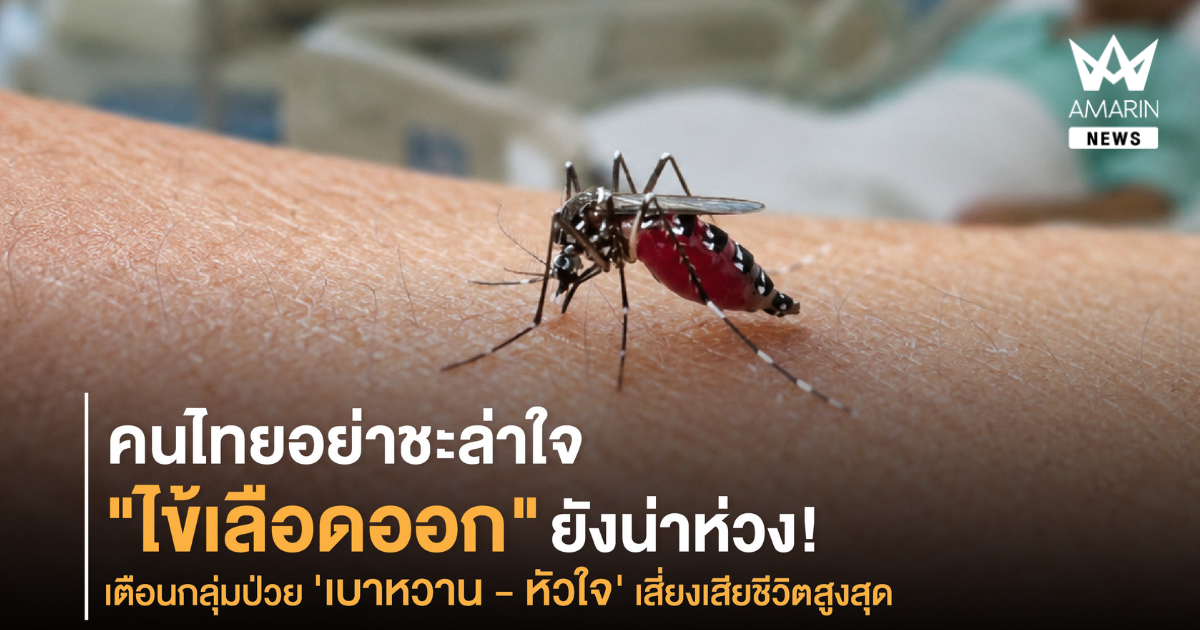
Health authorities are issuing urgent warnings regarding the continued prevalence of dengue fever in Thailand, emphasizing that specific vulnerable populations face a significantly higher risk of severe complications and mortality.
Dengue remains a persistent challenge in tropical climates, and the current epidemiological data underscores that clinical vigilance is required not only for the general public but specifically for those managing comorbidities that can complicate the body’s immune response to the infection. Understanding the intersection of chronic illness and infectious disease is essential for effective patient management and community prevention.
Understanding Risk Factors for Severe Dengue
The transmission of dengue fever, primarily driven by the Aedes aegypti mosquito, often peaks during periods of high rainfall. However, the severity of the disease is frequently determined by the patient’s health baseline.
According to the Thailand Ministry of Public Health, the physiological stress caused by a dengue infection can exacerbate existing heart conditions, making early diagnosis and prompt clinical intervention critical. For the elderly, the immune system’s diminished capacity to rapidly neutralize the virus often necessitates closer monitoring in a hospital setting. Healthcare providers are advised to prioritize these high-risk groups when they present with high fever, muscle aches, or signs of rash.
Public Health Strategies and Prevention
Effective prevention continues to rely on the reduction of mosquito breeding sites. Because the virus is vector-borne, the most impactful strategy remains the elimination of standing water in residential areas, which serves as a nursery for mosquito larvae. The World Health Organization notes that environmental management, combined with personal protective measures like the use of insect repellent and wearing long-sleeved clothing, provides the best defense against transmission.
Public health messaging from the government currently focuses on the “3-5-7” approach: clearing breeding grounds every 7 days, covering containers, and changing water in small vessels. For those in the high-risk categories identified—specifically those with diabetes or heart issues—it is recommended to seek medical evaluation immediately if a fever persists for more than 48 hours, rather than attempting self-treatment with over-the-counter anti-inflammatory drugs like ibuprofen or aspirin, which can increase the risk of internal bleeding associated with dengue.
Clinical Vigilance for Vulnerable Populations
The clinical presentation of dengue can be deceptive, often mimicking other viral illnesses. For patients with diabetes, the metabolic impact of the virus can lead to fluctuations in blood glucose levels, complicating the recovery process. Physicians are encouraged to maintain a high index of suspicion for dengue when treating patients from these vulnerable groups during the rainy season, even in urban environments where the density of Aedes mosquitoes is often high.
Ongoing surveillance by regional health offices is expected to continue throughout the remaining months of the year. Readers are encouraged to stay informed through these verified government channels and to consult with a primary care physician regarding individual risk factors.
As we move through the current season, monitoring official bulletins from the Ministry of Public Health will be the most reliable way to track local outbreaks and updated safety protocols. We welcome your questions and experiences regarding community health initiatives in the comments section below; sharing this information helps keep our global community informed and prepared.