
Herpes simplex virus (HSV) is a widespread viral infection, with the World Health Organization (WHO) reporting that approximately 3.7 billion people under the age of 50 globally are living with HSV-1. While often associated with oral cold sores, the virus remains a significant public health focus due to its lifelong nature and the social stigma that frequently surrounds a diagnosis. Managing the infection requires a clear understanding of transmission, symptoms, and the role of antiviral therapies in daily life.
As a physician, I frequently encounter patients who feel overwhelmed by a new diagnosis. However, medical data indicates that for the vast majority of individuals, herpes is a manageable skin condition rather than a life-altering health crisis. Understanding the biological realities of the virus is the most effective way to address both the physical symptoms and the unnecessary social shame often attached to the infection.
Understanding the Global Prevalence of HSV
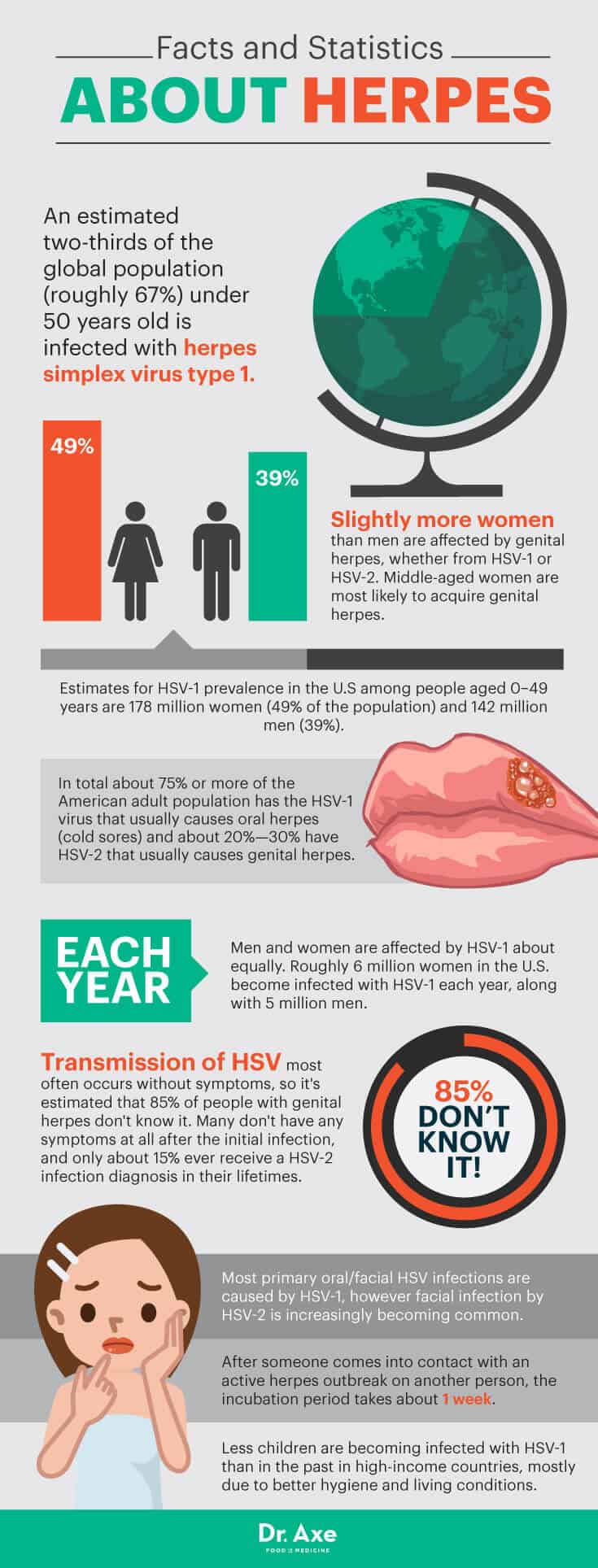
The prevalence of herpes is significant, making it one of the most common viral infections worldwide. According to data published by the World Health Organization, an estimated 67% of the global population under age 50 carries the HSV-1 virus. While HSV-1 is primarily responsible for oral herpes, it is increasingly identified as a cause of genital infection. HSV-2, which is more commonly associated with genital herpes, affects an estimated 491 million people aged 15–49 worldwide, representing about 13% of that age group.

In the United States, the Centers for Disease Control and Prevention (CDC) reports that approximately 12% of the population aged 14–49 lives with a genital HSV-2 infection. The CDC clarifies that this estimate excludes genital infections caused by HSV-1, meaning the total prevalence of genital herpes is likely higher. A major factor contributing to these figures is the high rate of asymptomatic infection; clinical studies indicate that a large majority of individuals who test positive for the virus were previously unaware they carried it, often because they experienced no symptoms or mistook mild signs for other minor skin irritations.
Transmission Dynamics: Skin-to-Skin Contact
Unlike many other sexually transmitted infections that are primarily spread through the exchange of bodily fluids, herpes is transmitted through direct skin-to-skin contact. This includes kissing, oral, anal, and vaginal sex, as well as genital-to-genital contact. The virus can be transmitted even when an individual has no visible sores or symptoms, a phenomenon known as asymptomatic shedding.

While the risk of transmission from inanimate objects—such as towels, razors, or eating utensils—is considered extremely low by medical professionals, it remains a point of caution in clinical guidance. To minimize risk, the American Sexual Health Association generally advises against sharing personal items that come into direct contact with genital or oral skin if an active lesion is present. Understanding these transmission pathways allows individuals to make informed decisions about their health and intimate contact.
Managing Symptoms and Suppressive Therapy
There is currently no cure for herpes, but the infection is highly manageable. For many, the virus may cause a single outbreak or remain dormant for years. For those who experience frequent recurrences, medical providers often prescribe suppressive antiviral therapy. Daily use of medications such as valacyclovir can significantly reduce the frequency of outbreaks and lower the rate of viral shedding.
According to clinical research, daily suppressive therapy can reduce the risk of transmitting the virus to a sexual partner by approximately 50%. While condoms offer protection, they do not cover all areas of the skin where the virus may be present, which is why combining barrier methods with antiviral medication is considered a standard approach for risk reduction. It is essential for patients to discuss these options with their primary care physician or a specialist to tailor a management plan to their specific medical history.
Navigating Stigma and Relationships
The social stigma surrounding herpes is often cited by medical professionals as a greater challenge than the physical symptoms themselves. Media portrayals frequently use the infection as a punchline, which can lead to unnecessary fear and psychological distress for those diagnosed. In practice, however, most people with herpes maintain healthy, long-term romantic and sexual relationships.
Open communication with partners is the most effective tool for managing the emotional aspects of the infection. While a diagnosis can initially feel overwhelming, research suggests that these feelings tend to diminish as individuals become more familiar with the management of the virus. Many patients find support through verified medical resources and patient advocacy groups, which provide evidence-based information to counter the misinformation that drives public stigma.
What Happens Next
Public health research into herpes is ongoing, with significant focus placed on the development of both preventive and therapeutic vaccines. While current efforts are primarily directed at HSV-2, researchers are investigating whether these vaccines might also provide cross-protection against HSV-1. As of now, the most reliable source for updates on vaccine clinical trials and changing guidelines remains the U.S. National Institutes of Health Clinical Trials database.
Patients are encouraged to consult with their healthcare providers regarding any new symptoms or concerns about testing. If you have questions about your specific health status or require further clarification on managing the virus, I welcome you to share your thoughts or questions in the comments section below.
Related reading