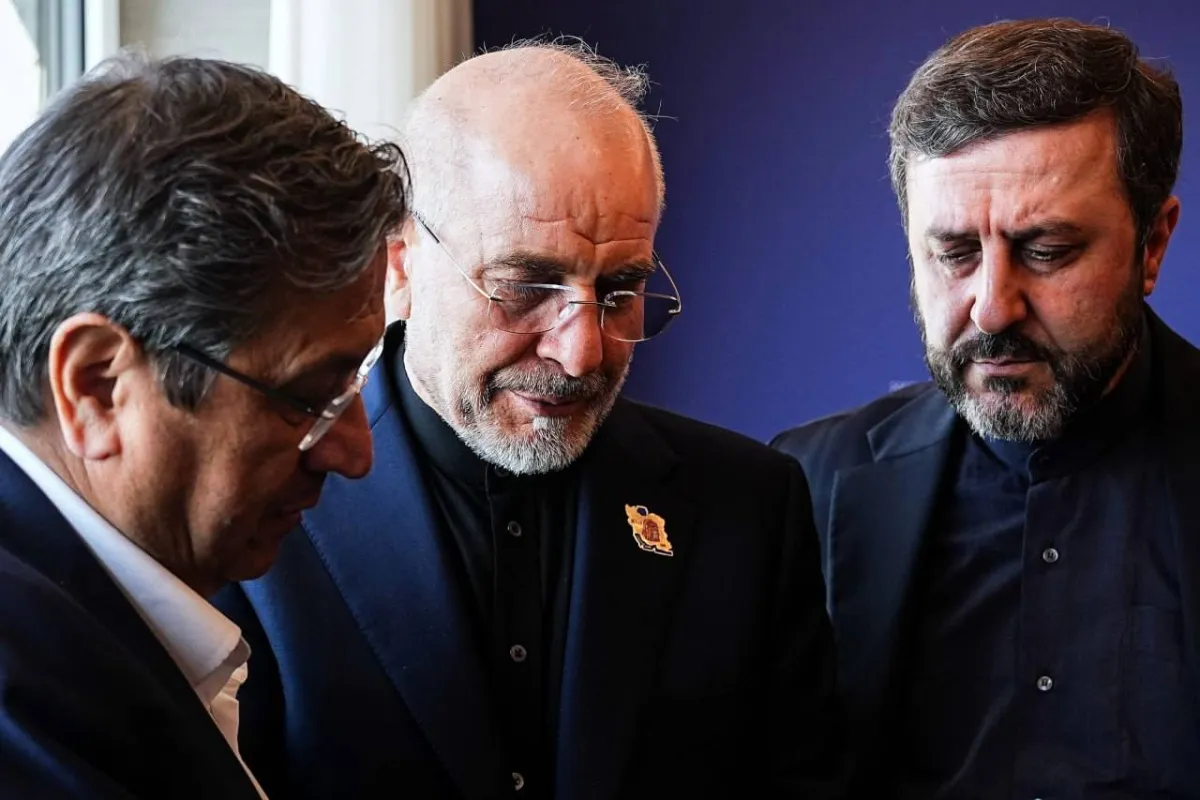
Diplomatic efforts to stabilize the regional security environment in the Middle East have entered a new phase, with officials moving to establish four specialized working groups to implement the understandings reached in Islamabad. These mechanisms, aimed at de-escalating tensions, follow a series of high-level discussions involving regional stakeholders and international mediators, according to reports from the region’s diplomatic channels.
The framework seeks to address the multi-front conflict, particularly the situation in Lebanon and the management of maritime security in the Persian Gulf. Iranian officials, including Foreign Minister Abbas Araghchi, have emphasized that the efficacy of these diplomatic tracks depends on the precise and consistent execution of agreed-upon commitments, as the international community monitors the potential for a broader ceasefire.
Establishing Working Groups for Regional Stability
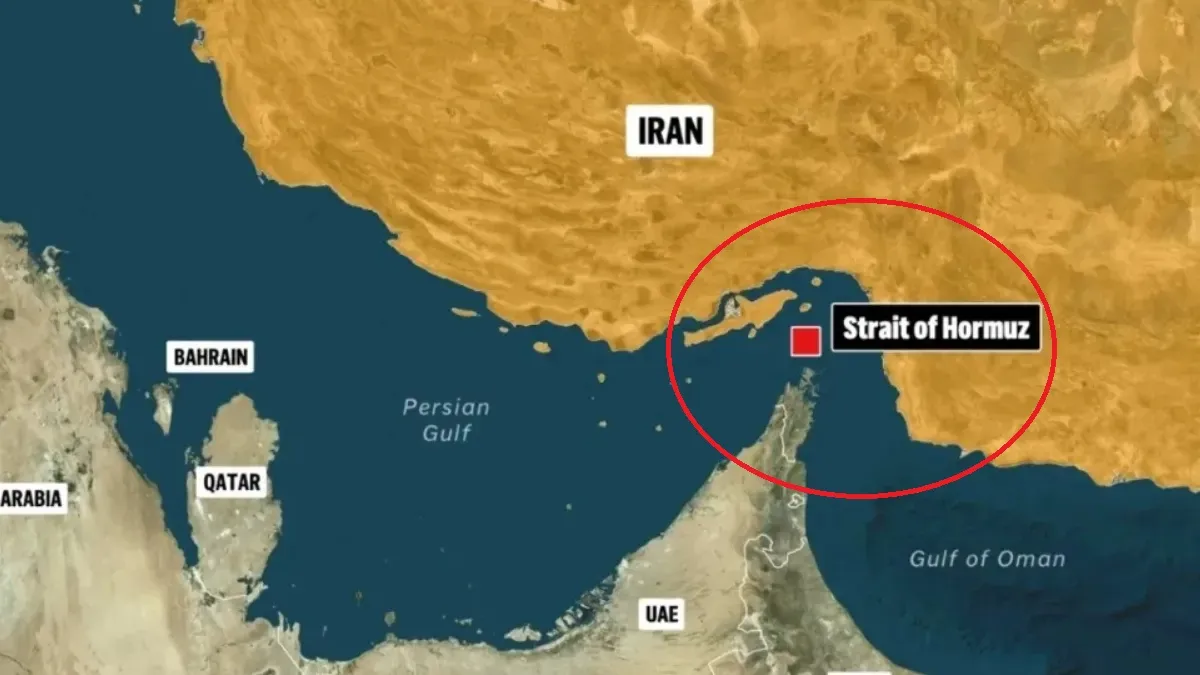
The decision to formalize four working groups stems from a push to translate broad diplomatic agreements into granular, actionable policies. While specific mandates for each group remain under internal review, the primary objectives include the stabilization of the Lebanon border, the reduction of friction in the Strait of Hormuz, and the establishment of reliable communication channels to prevent military miscalculations.
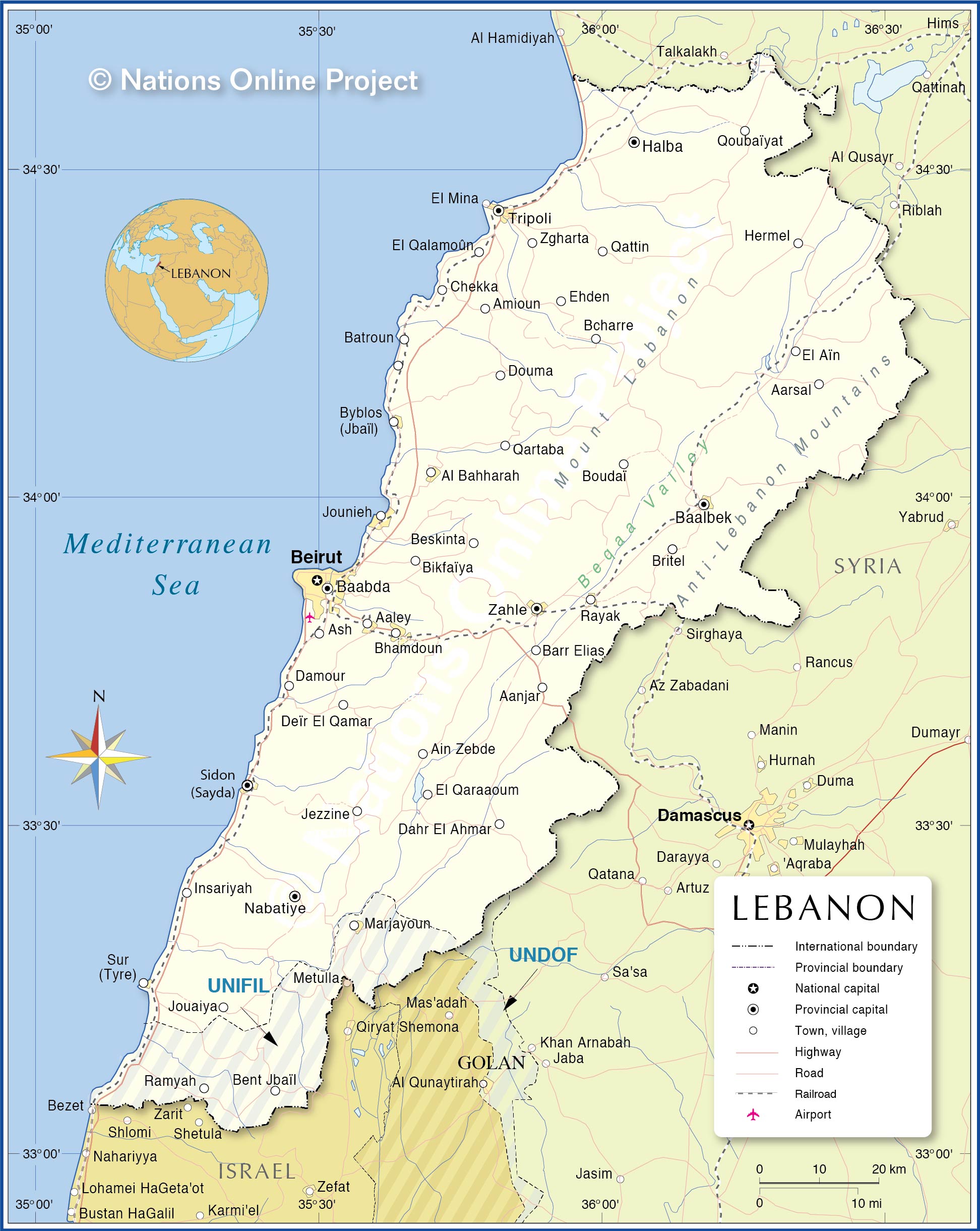
According to updates from the United Nations Security Council, which frequently monitors such regional mediation, the involvement of third-party states like Pakistan and Qatar has been central to maintaining a dialogue between Tehran and other regional actors. These states have acted as conduits for proposals intended to break the current deadlock in Lebanon, where the presence of foreign military forces remains a central point of contention.
The Iran-U.S. Communication Dynamic
Parallel to the regional talks, reports indicate that discussions between Iranian and U.S. representatives have sought to establish “coordination mechanisms” to mitigate the risk of accidental escalation in the Persian Gulf. The focus remains on the Strait of Hormuz, a critical maritime chokepoint through which a significant portion of the world’s oil supply passes.
Iranian authorities have publicly asserted their right to oversee the management of these waters, while simultaneously expressing a willingness to coordinate with international powers to prevent what they characterize as “misunderstandings.” This nuance is significant; it suggests a desire to maintain operational control while avoiding a direct kinetic confrontation with U.S. naval assets stationed in the region. The U.S. Energy Information Administration notes that the Strait of Hormuz is the world’s most important oil transit chokepoint, with daily oil flows averaging approximately 21 million barrels per day in recent years.
Divergent Perspectives on Lebanon
The path toward a resolution in Lebanon remains fraught with conflicting strategic goals. While mediators from Qatar and Pakistan report incremental progress, the ground reality is complicated by the stated intentions of the Israeli government. Israeli officials have maintained that their security requirements necessitate a continued presence or at least a significant buffer zone within southern Lebanon to ensure the safety of their northern border communities.
This creates a clear contrast in the negotiation landscape:
- The Mediation Track: Focused on phased withdrawals and the strengthening of the Lebanese Armed Forces to act as a security guarantor.
- The Security Track: Driven by Israeli officials who express skepticism regarding the ability of international forces to prevent the movement of armaments across the border.
The tension between these two approaches is the primary hurdle for the four working groups. Without a consensus on the definition of “security,” the implementation of the Islamabad understandings faces significant structural challenges.
What Happens Next
The next phase of these negotiations is expected to involve technical-level meetings where the four working groups will present their preliminary reports. These sessions are critical for determining whether the diplomatic momentum can be sustained or if the regional situation will revert to a status quo of low-intensity, high-risk conflict.
.jpg/1280px-Secretary_Rubio_Joins_Working_Level_Peace_Talks_with_Israel_and_Lebanon_(55207667221).jpg "What Happens Next")
Observers are currently tracking the upcoming meetings of the European External Action Service, which often provides supporting diplomatic infrastructure for these types of regional dialogues. As these groups commence their work, the primary indicator of success will be the absence of major escalatory incidents in the maritime and terrestrial theaters of operation. For further updates on these developments, readers are encouraged to monitor official statements from the respective Foreign Ministries involved in the mediation process.
- Trump Signs Executive Order Reducing Childhood Vaccines to 11, Citing Autism Concerns
- Halloween: The Game Banned in Australia and New Zealand Over Drug Mechanic
- Trump Adopts Wait-And-See Approach To Iran Amid Strait Of Hormuz Talks (archyworldys.com)
- Trump Claims Total US Control of Strait of Hormuz Amid Iran Tensions (newsdirectory3.com)