
A new analysis of corporate influence and government policy, titled “MAGA Inc.,” highlights how private sector entities, including technology firms and detention operators, have positioned themselves to benefit from shifting federal enforcement priorities. The report examines the intersection of political alignment and profit, specifically focusing on sectors like data surveillance, border management, and the emerging cryptocurrency market as key areas of financial expansion for those with close ties to the Trump administration.
For observers of global markets and economic policy, the report underscores a long-standing trend: the alignment of private capital with state-led initiatives. As an economist, I often look at how legislative shifts translate into bottom-line growth for specific industries. In this instance, the focus is on the scale of government contracts and the role of digital assets in modern portfolios.
The Intersection of Surveillance and Federal Contracting
Central to the discussion of government-corporate synergy is the role of technology providers in federal operations. Palantir Technologies, a firm specializing in big data analytics, has maintained a long-term relationship with the U.S. government, providing software that supports both intelligence gathering and border surveillance. According to the company’s own investor filings, Palantir’s government revenue remains a significant portion of its total earnings, bolstered by contracts with agencies such as Immigration and Customs Enforcement (ICE) and the Department of Defense. You can review the company’s current financial standing and public sector contract disclosures via the U.S. Securities and Exchange Commission EDGAR database.
:max_bytes(150000):strip_icc()/INV_Palantir_GettyImages-1246026536-c350b2e10e964d4c87bf2b52ffaabf76.jpg "The Intersection of Surveillance and Federal Contracting")
The “MAGA Inc.” report suggests that the business of data gathering is increasingly intertwined with the business of deportation. While firms like Palantir frame their work as essential for national security and logistical efficiency, critics argue that the reliance on private software creates a conflict of interest where corporate growth is tied to the expansion of state surveillance and enforcement mechanisms. This is not a new phenomenon; the privatization of detention centers and the reliance on third-party tech vendors have been topics of intense debate in Washington for over a decade, as documented in various Government Accountability Office (GAO) reports on federal contracting practices.
The Expansion into Cryptocurrency Markets
Beyond traditional defense and tech contracting, the report points to the Trump family’s increasing involvement in the cryptocurrency sector. This shift comes as the former president has pivoted from past skepticism of digital assets to a vocal proponent of crypto-friendly regulation. His family’s involvement, notably through the launch of the World Liberty Financial project, has drawn scrutiny from market analysts and ethics watchdogs alike.
Cryptocurrency, by design, allows for the movement of capital across borders without the oversight of traditional banking institutions. While proponents argue this provides financial sovereignty, skeptics, including various financial regulators, have consistently warned about the potential for illicit use. The Financial Crimes Enforcement Network (FinCEN) has issued multiple advisories detailing how digital assets can be misused for money laundering and sanctions evasion. The central question for investors and voters is whether the intersection of political power and crypto-promotion will lead to a new era of decentralized finance or simply create new avenues for regulatory arbitrage.
Assessing the Impact on Economic Policy
What remains clear is that the relationship between private enterprise and government policy is becoming more transparent, if not more complex. When companies provide the infrastructure for state actions—whether it is the digital architecture for immigration tracking or the platform for new financial ventures—the distinction between public service and private profit becomes increasingly blurred.
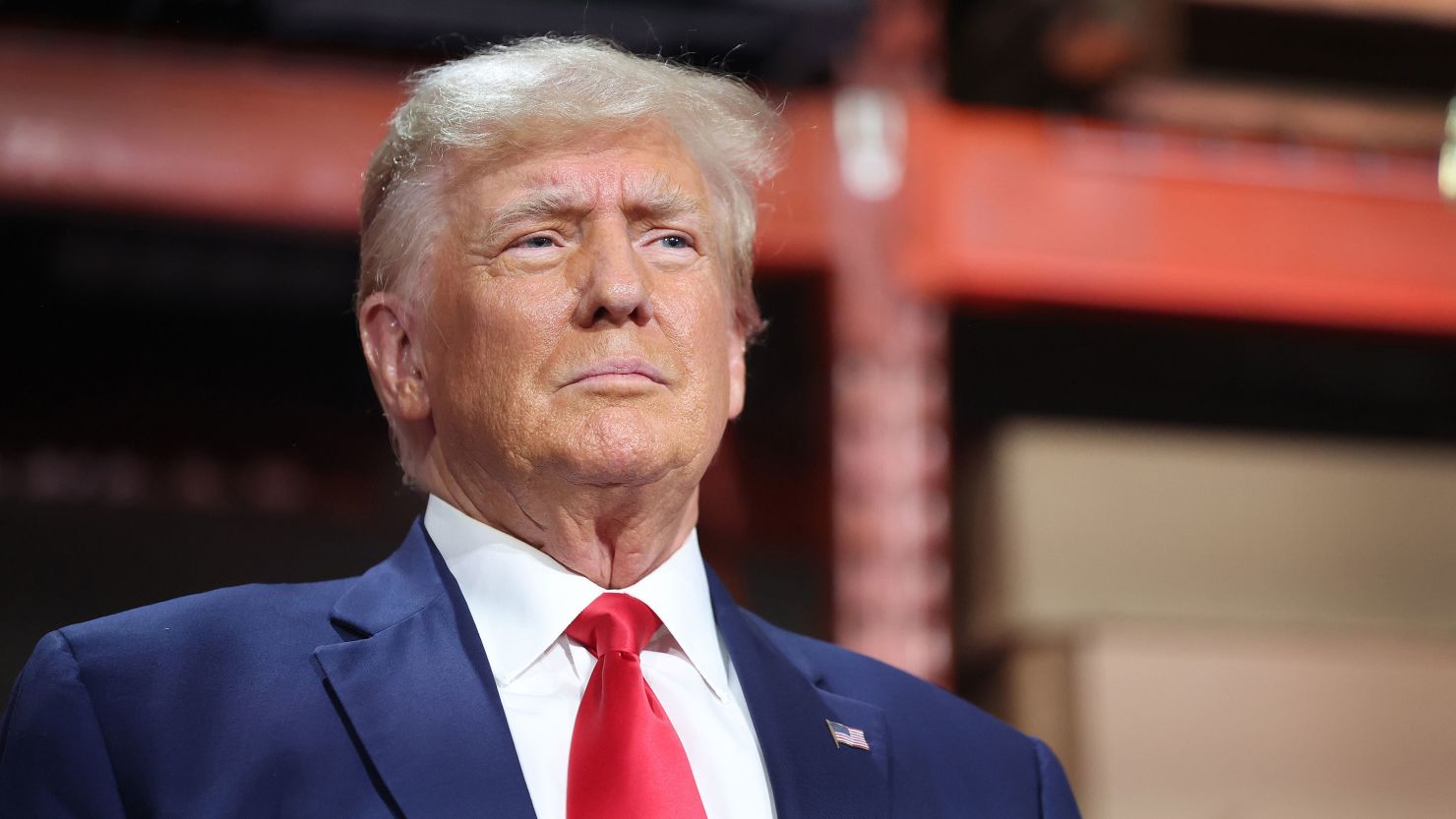
For the average reader, following the money requires looking beyond political rhetoric. It involves examining the USAspending.gov portal, which tracks federal contract awards, and monitoring the Federal Election Commission (FEC) for campaign finance disclosures. These official sources provide the raw data necessary to understand which companies are winning government business and how those entities participate in the political process.
What Happens Next
The debate surrounding these corporate-political ties is unlikely to dissipate. As the next federal budget cycle begins, lawmakers are expected to hold hearings on government procurement processes, particularly regarding the use of private contractors for surveillance tasks. Additionally, the Securities and Exchange Commission (SEC) continues to evaluate the regulatory framework for digital assets, with several high-profile cases currently moving through the federal court system. These legal and legislative actions will define the boundaries of corporate involvement in public policy for the foreseeable future.
If you are tracking these developments, official updates on legislative hearings can be found on the U.S. Senate Committee websites, which publish schedules for upcoming oversight sessions. As this story evolves, I will continue to track the intersections of policy and market performance. I encourage readers to share their thoughts and perspectives on these developments in the comments section below, as we continue our investigation into the influence of private capital on the public sphere.
Keep reading
- OPUS TITÁSZ Blocked From EU Recovery Funds by Hungarian Development Bank
- Special Election to Replace Senator Lindsey Graham: Everything You Need to Know
- Trump Media Reports $238m Loss Amid Crypto Declines (archyworldys.com)
- Judge Blocks Trump Administration From Stripping Immigrant Work Permits (time.news)