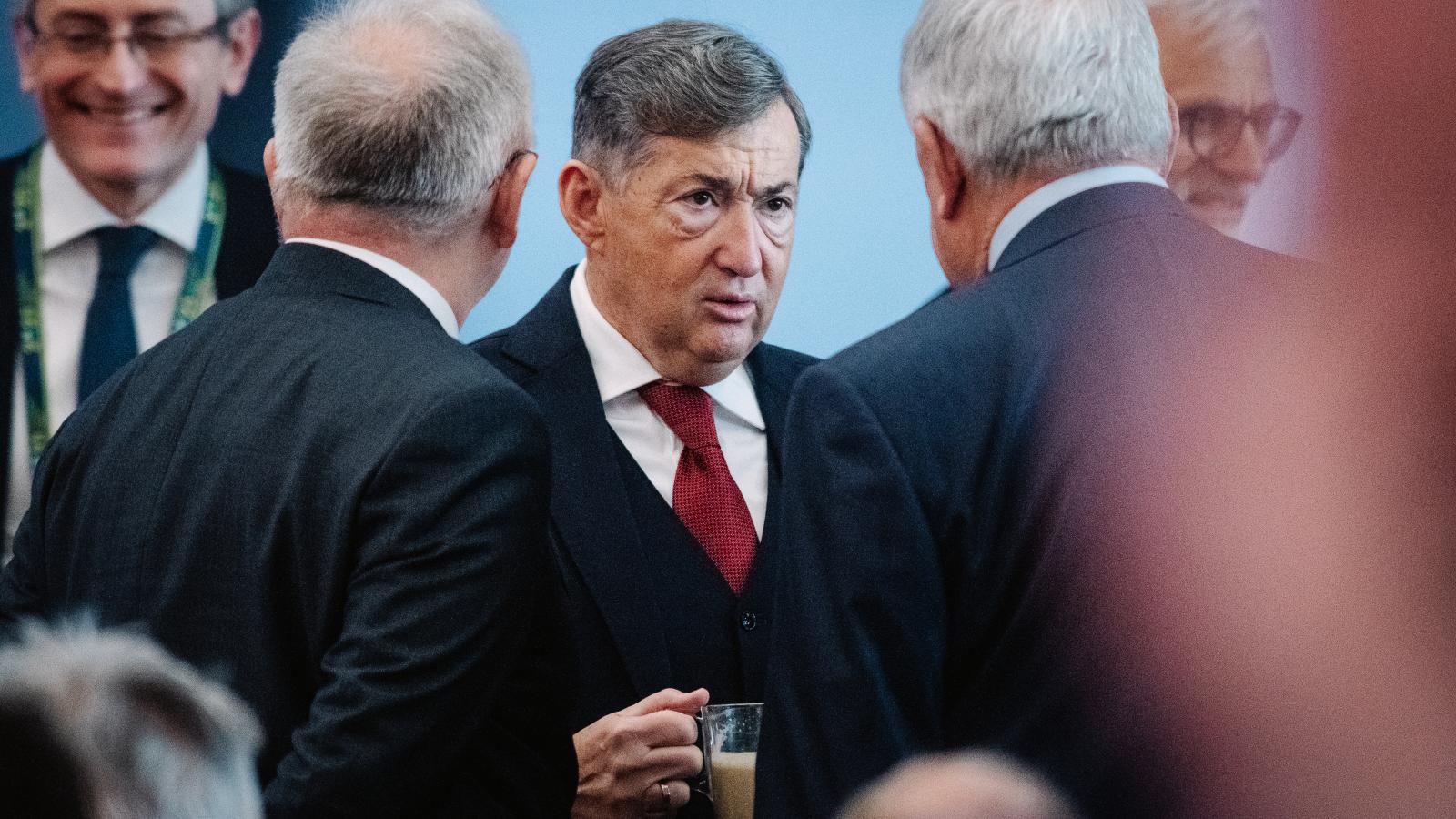
The Hungarian Development Bank revoked and rejected two funding applications submitted by OPUS TITÁSZ, citing transparency failures under state audit rules. Meanwhile, political parties prepare for the upcoming presidential nomination process as parliamentary factions weigh potential candidates for the national office ahead of next week.
OPUS TITÁSZ Blocked From European Union Recovery Funds
State-owned financial institution Magyar Fejlesztési Bank announced on a Tuesday that its board of directors voted to withdraw support decisions for two key applications filed by OPUS TITÁSZ Áramhálózati Zrt. The rejected proposals sought financing from European Union recovery funds.
The development bank stated that the utility company does not qualify as a transparent organization under public finance regulations. Consequently, the state-owned bank cannot legally establish a support contract with the entity. The justification notes that under relevant laws, no support contract can be concluded with an organization that fails to fulfill the conditions prescribed in paragraphs 48/B and 50 of the Act on Public Finances.
The Magyar Fejlesztési Bank board decided on the withdrawal of the support decisions during its August 10 board meeting. The development bank’s announcement emphasized that legally ensuring transparency conditions was one of Hungary’s most important commitments to acquire funds originating from the Recovery and Resilience Facility, known as the RRF.
Targeted Grid Modernization and Smart Metering Projects
The rejected applications involved specific state tenders aimed at modernizing domestic energy infrastructure. The development bank’s board decision affects two distinct funding calls tied to the Recovery and Resilience Facility.
The administrative action targets code RRF-GS-6.6.1-26, which is titled Ensuring a flexible and reliable electricity network in order to integrate weather-dependent renewable energy sources. It also affects code RRF-GS-6.7.1-26, which is a call supporting the procurement and installation of smart electricity consumption meters.
The development bank emphasized that strictly enforcing these rules remains exceptionally important to prevent any loss of resources. The public release did not detail the exact support amount involved in the two rejected applications, nor did it specify the exact reason why OPUS TITÁSZ failed to meet the requirements for a transparent organization. Following the developments, Péter Magyar stated that once the energy crisis is over, those responsible must be named, and also sent a message to Lőrinc Mészáros.
Presidential Nominations and Parliamentary Preparations
As regulatory and financial decisions unfold in state institutions, the political sphere focuses on the upcoming presidential election. Fidesz and KDNP previously indicated that they regard the process as “illegitimate” and therefore will not participate in the head of state election.
Other political movements have already advanced candidates. The Mi Hazánk party already named its own candidate, with the party proposing energy lawyer Máté Tóth for the post at the end of July. Meanwhile, regarding the governing party, Péter Magyar held a press conference yesterday where he spoke about several names of presidential candidates having emerged within the TISZA faction, with numerous recommendations and CVs arriving.
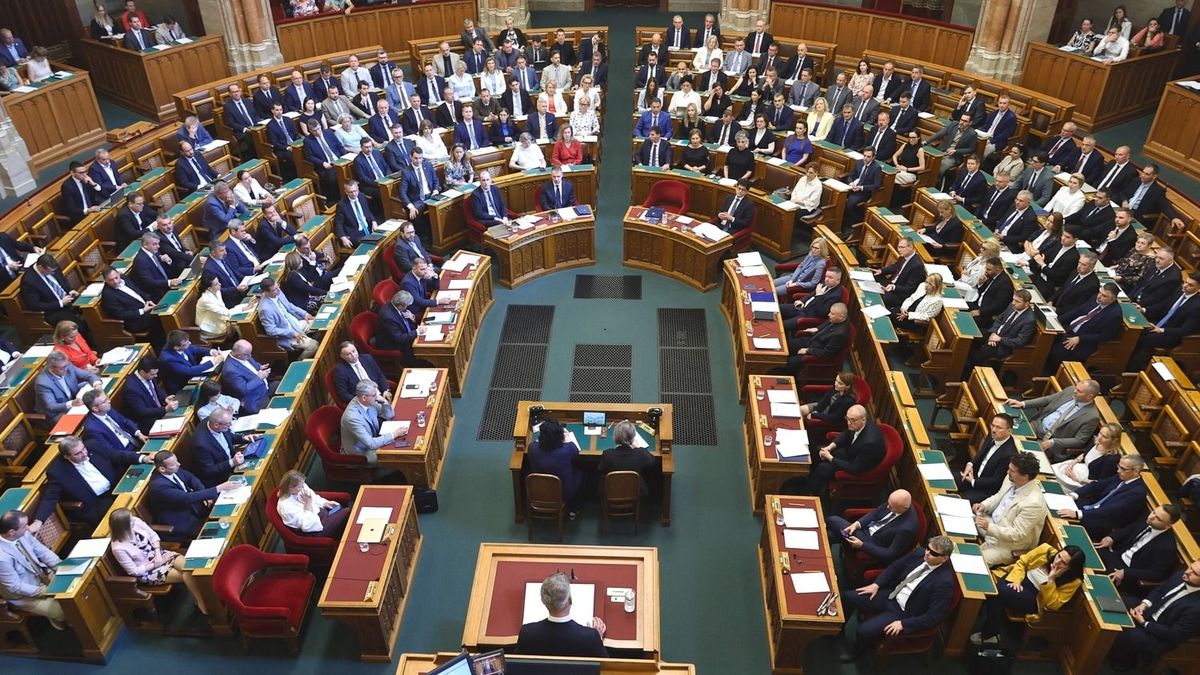
According to the statements, substantively ten candidates came up, which the TISZA presidency discussed, and several of them were also personally interviewed. At the TISZA faction’s Saturday meeting, they will recommend three names, and the final candidate will be selected from among these.
Péter Magyar designated as a goal to secure the new head of state by the following Tuesday. According to the statements, they are looking for a president of the republic who has not held a party-political office in recent decades and who can also be supported by the majority of the Hungarian people. Péter Magyar also indicated that the names of several well-known individuals arose, but some were excluded based on their own criteria, mentioning Ágnes Forsthoffer as an example, stating that while she would be suitable for the office, she does not meet the requirement of being politically independent due to her past party-political engagement.