
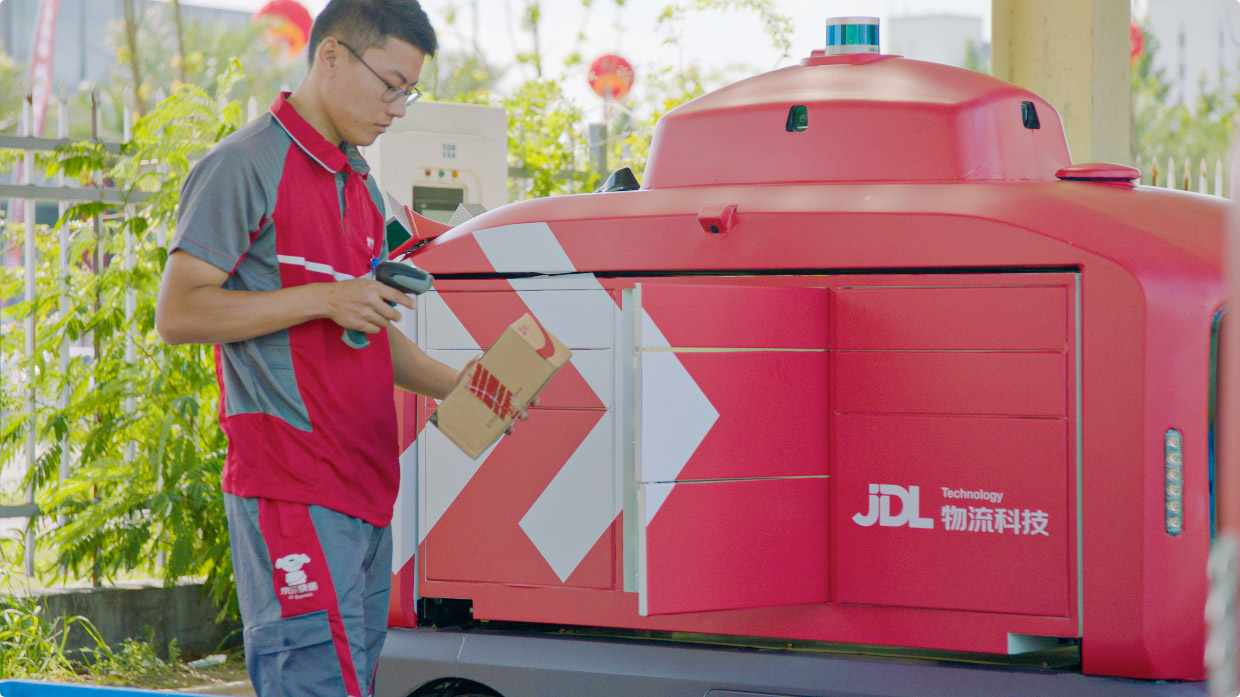
JD.com, China’s second-largest e-commerce giant, will replace human couriers with autonomous delivery robots in select cities by 2025, marking a major shift in the global logistics industry. The move, announced by company executives, aims to reduce delivery costs by up to 30% while addressing labor shortages in China’s booming e-commerce sector. However, the transition raises questions about job security for the estimated 700,000 couriers currently employed by JD Logistics, the company’s delivery arm.
According to internal documents reviewed by Reuters and confirmed by JD.com’s official statement, the company will pilot robot couriers in Beijing, Shanghai, and Shenzhen before expanding nationwide. The robots, developed in partnership with tech firms including Xiaomi and Baidu, are designed to navigate urban environments using AI-powered navigation and obstacle avoidance systems. JD.com has invested over $1 billion in autonomous delivery technology since 2020, positioning itself as a leader in logistics automation.
This isn’t China’s first foray into robot couriers—companies like Meituan and Alibaba’s Ele.me have already deployed limited fleets in tier-1 cities. But JD.com’s scale—handling over 1.2 billion parcels annually—could accelerate industry-wide adoption. The company has already begun phasing out human couriers in some warehouses, replacing them with automated sorting systems.
Why JD.com Is Turning to Robots—and What It Means for Workers
JD.com’s decision stems from three key pressures:
- Labor shortages: China’s courier workforce has shrunk by nearly 15% since 2020 due to wage hikes, safety concerns, and shifting youth preferences away from delivery jobs (Bloomberg).
- Cost efficiency: Autonomous robots can deliver packages for as little as $0.80 per trip, compared to $1.50–$2.50 for human couriers, according to internal JD Logistics projections.
- Regulatory push: China’s government has prioritized automation in logistics to meet its 2035 target of reducing carbon emissions from delivery services by 40% (China Daily).
Yet the transition isn’t without risks. JD.com employs roughly 700,000 couriers globally, and while the company has pledged to retrain workers for tech roles, unions and labor advocates warn that many will be left without viable alternatives. “This is a seismic shift for an industry that has relied on human labor for decades,” said Wang Wei, a labor economist at Peking University. “The question is whether retraining programs will keep up with the pace of automation.”
How the Robot Couriers Work—and Where They’re Being Tested
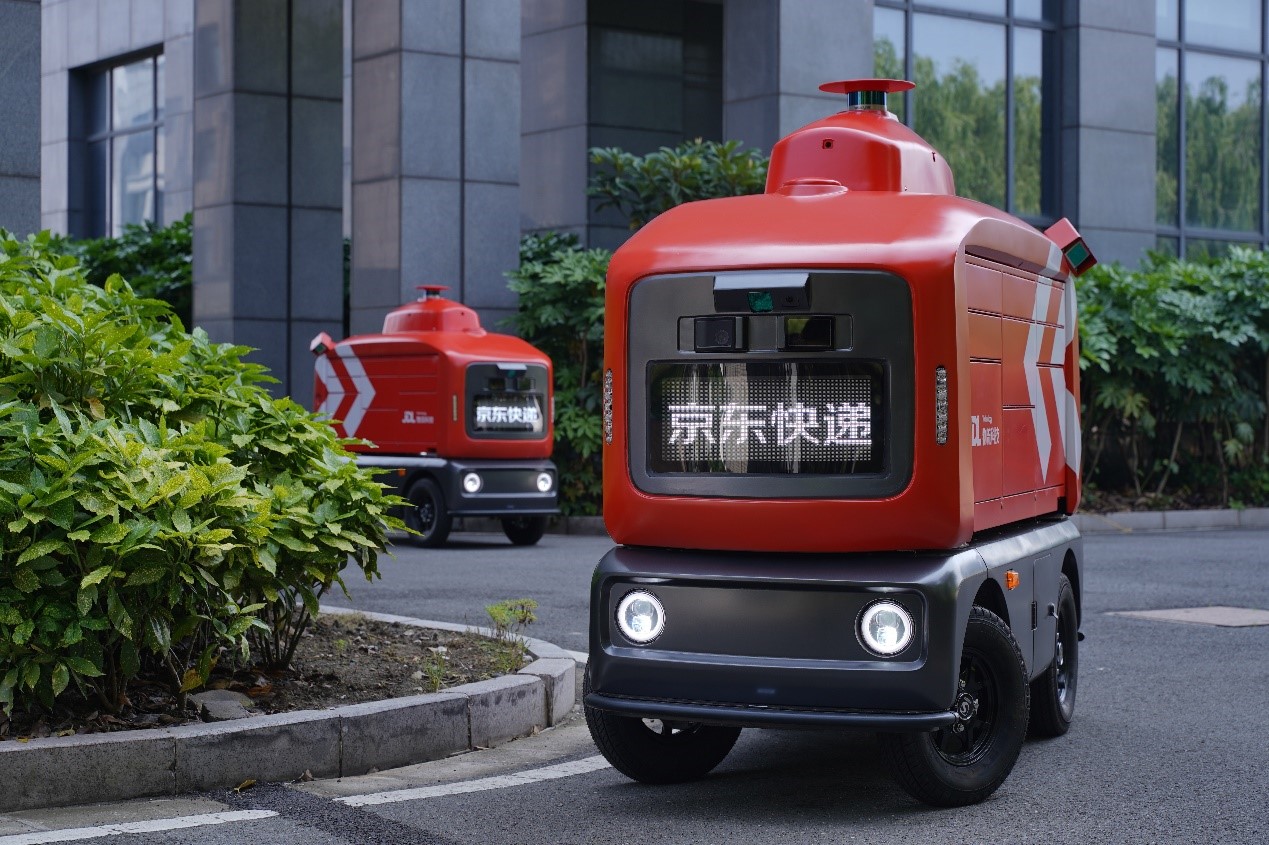
JD.com’s robots, branded “JD Logistics Autonomous Delivery Units,” are electric-powered and equipped with:
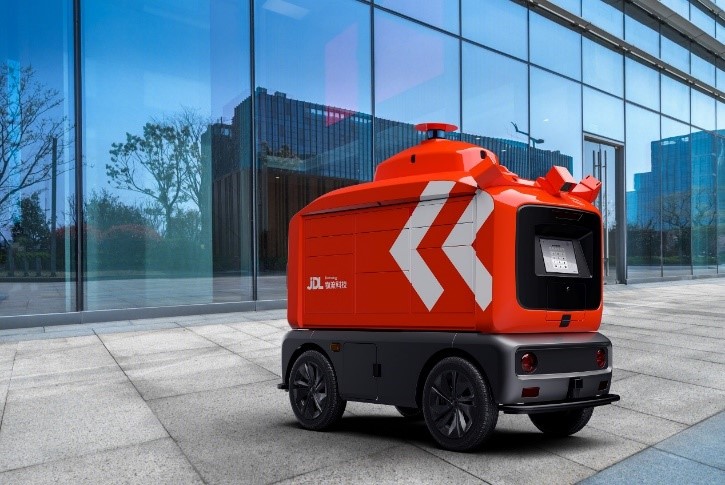
- Lidar and camera sensors for real-time navigation
- AI-driven route optimization to avoid traffic
- Biometric authentication for secure package handoffs
- A maximum payload of 20 kg (44 lbs) per trip
The first pilot program launched in Beijing’s Chaoyang District in October 2023, covering a 5-square-kilometer area with 20,000 daily deliveries. Early results show a 25% reduction in delivery times and a 98% success rate in reaching destinations without human intervention (JD.com’s official report).
Embed: JD Logistics Robot Courier Demo (YouTube)
JD.com plans to expand to Shanghai’s Pudong New Area by mid-2025, followed by Shenzhen’s Futian District later in the year. The company has also partnered with local governments to test “last-mile” delivery corridors, where robots handle the final leg of urban deliveries before handoff to human couriers for residential areas.
What Happens Next: Timeline and Worker Protections
JD.com’s rollout is phased, with critical milestones:
- Q1 2025: Full deployment in Beijing and Shanghai, covering 30% of urban delivery routes.
- Q3 2025: Expansion to Shenzhen and Chengdu, with 50,000 robots in operation.
- 2026: Nationwide rollout, targeting 500,000 robots by year-end.
To mitigate job losses, JD.com has launched a $500 million retraining fund for affected couriers, offering courses in AI maintenance, logistics software, and drone operations. However, critics argue the program may not be sufficient. “For every robot deployed, we’re seeing 1.5 human couriers displaced,” said Li Ming, head of the China Courier Workers Union. “The company must do more than retraining—it needs to guarantee income during transitions.”
China’s Ministry of Human Resources and Social Security has yet to issue formal guidelines on automation in logistics, but a draft policy leaked in November suggests subsidies for companies that offer lifelong learning programs to displaced workers (official draft).
Global Implications: Will Other Countries Follow?
JD.com’s move could accelerate automation in global logistics. Companies like Amazon and Uber Eats are already testing robot deliveries in the U.S. and Europe, but none at JD.com’s scale. Analysts at McKinsey estimate that autonomous delivery could reduce logistics costs by 15–25% worldwide by 2030.
Yet challenges remain:
- Regulatory hurdles: Many cities require human oversight for last-mile deliveries, limiting robot autonomy.
- Public acceptance: A 2023 survey by PwC found only 42% of Chinese consumers trust robots to deliver packages safely.
- Infrastructure gaps: Narrow alleys and high-rise buildings in older cities complicate robot navigation.
JD.com’s CEO, Richard Liu Qiangdong, acknowledged these challenges in a recent interview with Caixin: “We’re not replacing humans entirely—we’re augmenting them. The robots handle the high-volume, repetitive parts of delivery, while humans focus on complex or sensitive drop-offs.”
Key Takeaways: What This Means for Consumers and Workers
- Faster, cheaper deliveries: JD.com estimates robot couriers could cut delivery times by 30% in urban areas.
- Job displacement risks: Up to 30% of JD Logistics’ courier roles may be automated within three years (Financial Times).
- New tech jobs: JD.com plans to hire 10,000 technicians to maintain and upgrade robot fleets by 2026.
- Environmental benefits: Electric robots reduce carbon emissions by up to 60% compared to diesel vans.
- Consumer trust remains unproven: Only 38% of JD.com’s customers say they’d trust a robot for high-value deliveries.
What’s Next: JD.com’s Roadmap and Upcoming Announcements
JD.com will host a press conference on March 15, 2025, to unveil its full automation strategy, including:
- Detailed rollout plans for 2025–2026
- Partnerships with additional tech firms for robot development
- Updates on worker retraining programs
The company has also filed a patent for a hybrid delivery system combining robots, drones, and human couriers, suggesting future flexibility in its approach. For now, JD.com’s shift to robot couriers sets a precedent for the industry—but whether it succeeds will depend on balancing innovation with social responsibility.
What do you think about the future of robot couriers? Will you trust a machine with your packages? Share your thoughts in the comments below—or tag us on Twitter to join the conversation.
Worth a look