
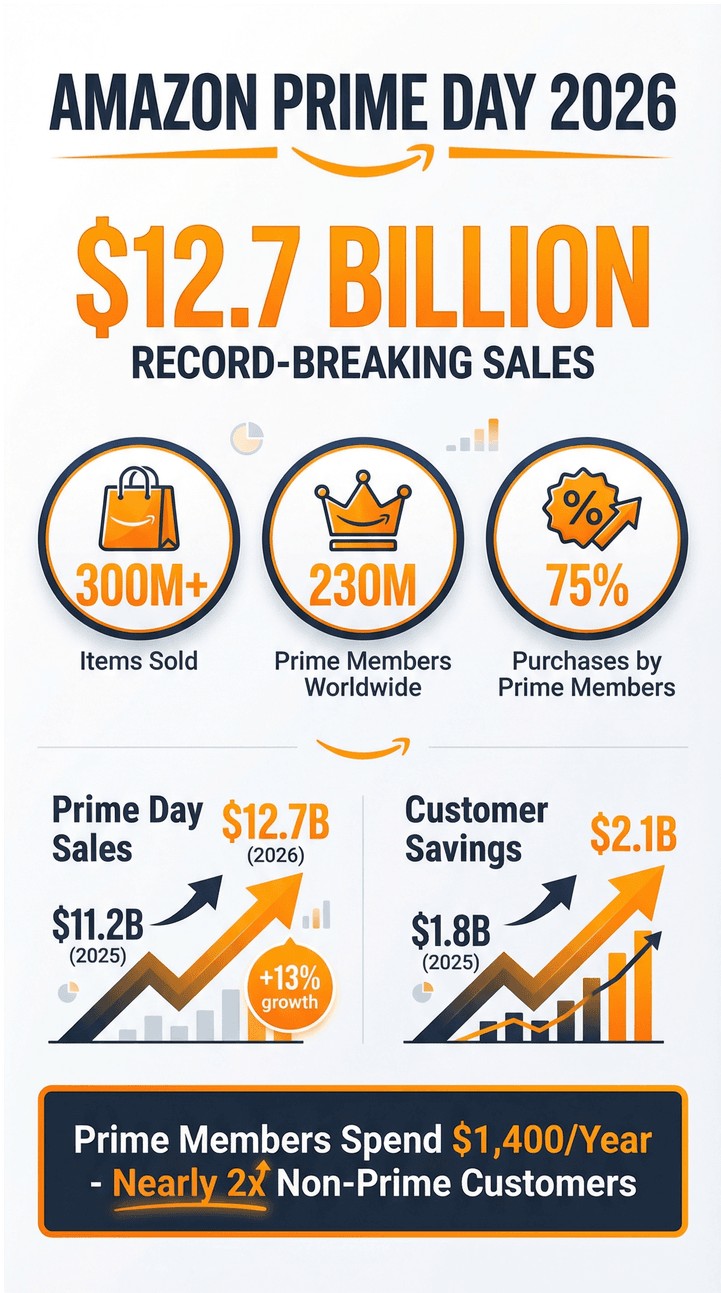
Amazon Prime Day 2026 has officially launched, offering a seven-day window of promotional pricing for Prime members with discounts reaching up to 65% on select merchandise. The annual event, which serves as a primary mid-year retail milestone for the e-commerce giant, features broad categories ranging from consumer electronics to fashion and travel gear, according to official company announcements and real-time market tracking.
As the Chief Editor of the Business section at World Today Journal, I have monitored the progression of global retail events for nearly two decades. This year’s iteration of the sale follows a familiar pattern of aggressive pricing strategies designed to drive subscriber retention and clear seasonal inventory. While the scale of discounts varies significantly by product category, the event remains a critical indicator of consumer sentiment and discretionary spending trends in the current economic climate, as noted by analysts at the World Economic Forum.
Market Scope and Discount Structures
The 2026 Prime Day event encompasses a wide array of goods, with the most substantial price reductions—often cited by retail observers as reaching the 60% to 65% threshold—concentrated in fashion apparel and specific lifestyle brands. Technology hardware, including mobile devices, headphones, and smart home speakers, is currently seeing price adjustments reaching up to 58%, according to data aggregated from various regional retail reports. These figures reflect a strategic push by the platform to incentivize high-ticket purchases during a traditionally slow period in the retail calendar.

The following categories are currently experiencing significant activity:
- Consumer Electronics: High-demand items such as mobile handsets and audio equipment are seeing aggressive discounting to maintain competitive pricing against rival e-commerce platforms.
- Apparel and Accessories: Major lifestyle brands are prominently featured, with some legacy labels offering reductions exceeding 60%.
- Travel and Luggage: Durable goods, particularly suitcases from established manufacturers, have seen price drops reaching the 50% mark, signaling a seasonal focus on travel-related consumerism.
For context, the Amazon corporate newsroom maintains that these promotional periods are intended to provide value-added benefits to the Prime subscription ecosystem. The shift toward a seven-day format represents a departure from the original 24-to-48-hour event structure, reflecting a broader industry trend toward extended promotional windows to mitigate logistics bottlenecks and maximize total transaction volume.
Comparative Analysis of Retail Performance
Market analysts often compare Prime Day outcomes to other major retail events like Black Friday or Singles’ Day. While Prime Day is exclusive to the subscriber base, its impact on the broader retail sector is substantial. According to reports from the Reuters business desk, the success of such events is increasingly measured not just by gross merchandise volume, but by the number of new subscribers acquired during the promotional window. This “subscriber-first” strategy differentiates Amazon’s approach from traditional brick-and-mortar retailers that prioritize immediate inventory liquidation.
There is a notable discrepancy in how various consumer advocacy groups report on these sales. While some outlets highlight the “best deals” on specific luxury goods, independent financial monitors emphasize the importance of price-tracking tools. Consumers are advised to verify historical pricing to ensure that current discounts are calculated against stable baseline prices rather than inflated manufacturer-suggested retail prices (MSRP).
Consumer Guidance and Strategic Purchasing
For those participating in the 2026 event, the most effective approach involves utilizing official price-tracking resources and reviewing the terms of service for any promotional credit or financing options. The Federal Trade Commission has previously issued guidance regarding the transparency of “original” versus “sale” pricing, advising consumers to remain skeptical of marketing claims that lack verifiable baselines. As with any high-volume sales event, the inventory for the most heavily discounted items is subject to rapid depletion, often leading to a dynamic pricing environment throughout the seven-day period.

The current event is scheduled to conclude at the end of the seven-day promotional cycle. Following the close of the sale, the platform typically releases an internal report detailing the top-performing categories and geographic reach, though specific financial metrics are usually reserved for quarterly earnings calls with shareholders. Further analysis of the 2026 retail landscape will be available in the next World Today Journal economic briefing. Readers are encouraged to share their experiences with this year’s deals in the comments section below.
Related reading
- How Peggy Flanagan Defied Corporate Spending to Win the Minnesota Senate Primary
- Porsche Joins Xpeng Emissions Pool to Save Volkswagen from €1.5 Billion EU Fine
- 90s & Y2K Designer Fashion: Celebrities in Vintage Archive Looks [Photos] (archyworldys.com)
- How to Opt Out of Twitch Using Your Streams for Amazon AI Training (world-today-news.com)