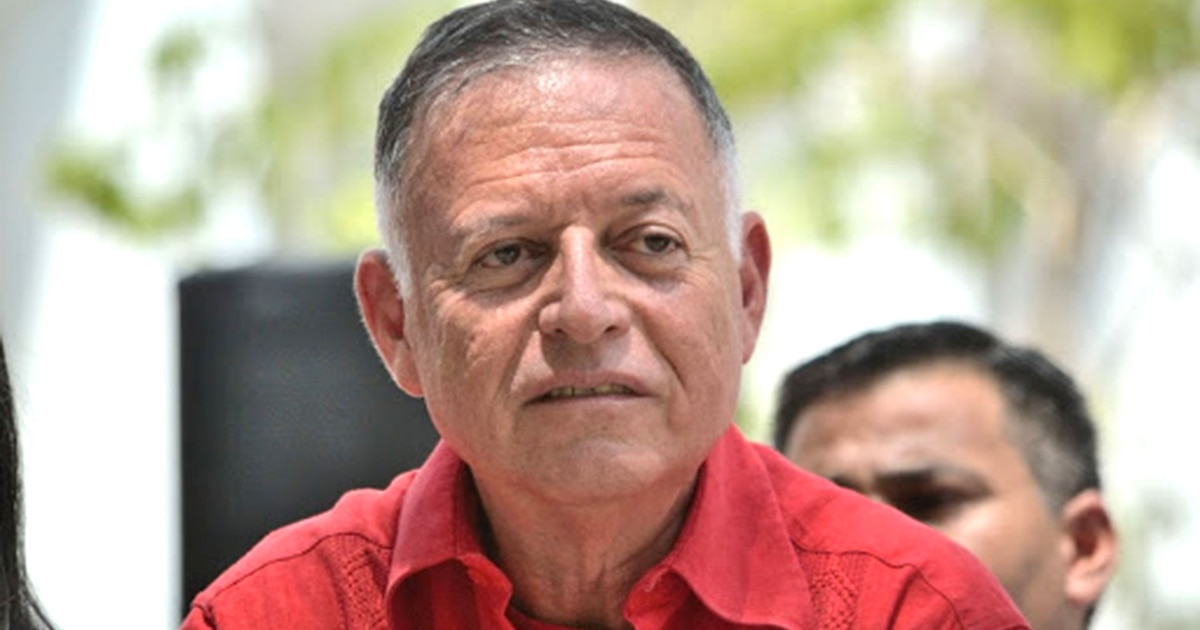
Caracas, Venezuela — A founding member of Venezuela’s chavista movement has publicly called on government officials to initiate direct talks with the opposition, marking a rare intervention in the country’s deepening political divide ahead of next year’s presidential election. According to multiple Venezuelan media outlets, Francisco Arias Cárdenas—once a close ally of the late President Hugo Chávez and a former minister under Nicolás Maduro—has urged Delcy Rodríguez, the president’s vice president and a key government negotiator, to engage in direct dialogue with María Corina Machado, the opposition leader barred from running in the July 28 vote.
Arias Cárdenas’s call, made in a statement shared across Venezuelan news platforms, comes as both sides remain locked in a standoff over electoral rules and the opposition’s demands for a more inclusive political process. The move underscores growing internal fractures within the chavista bloc, where some figures are increasingly questioning the government’s strategy of excluding Machado—a move widely condemned by the international community and opposition supporters.
Machado, who won Venezuela’s opposition primaries in October with over 90% of the vote, has been formally disqualified from the presidency by the National Electoral Council (CNE) on technical grounds, including alleged irregularities in her tax filings. The decision has sparked mass protests and raised concerns about the fairness of the electoral process. Meanwhile, Maduro’s government insists the vote will proceed as scheduled, though international observers, including the U.S. and EU, have expressed skepticism about the conditions for a free and transparent election.
Who Is Francisco Arias Cárdenas, and Why Does His Stance Matter?
Arias Cárdenas, 72, was a prominent figure in Chávez’s inner circle and served as minister of communications and information under Maduro from 2013 to 2014. His public break with the government’s hardline stance on negotiations is significant, as he remains a respected voice within the chavista movement. According to BBC Mundo, his call for talks reflects a broader trend among some chavista officials who fear escalating violence and international isolation could further destabilize the country.
Delcy Rodríguez, who has led government negotiations with the opposition in the past, has not yet responded to Arias Cárdenas’s proposal. However, her office has historically dismissed calls for direct talks with Machado, arguing that the opposition leader’s disqualification is final and that any dialogue must involve recognized political actors. The CNE’s decision to bar Machado was upheld by Venezuela’s Supreme Court in December, though the ruling was criticized by human rights groups, including Amnesty International, which described it as a “clear violation of democratic principles.”
What Are the Key Stakes in These Proposed Talks?
The push for direct negotiations comes as Venezuela faces a critical juncture. With the opposition fragmented and the government’s popularity at historic lows—Reuters reports that Maduro’s approval rating stands at around 20%—both sides are under pressure to avoid a post-election crisis. Arias Cárdenas’s intervention suggests that some within the chavista movement believe a negotiated solution could prevent further unrest.
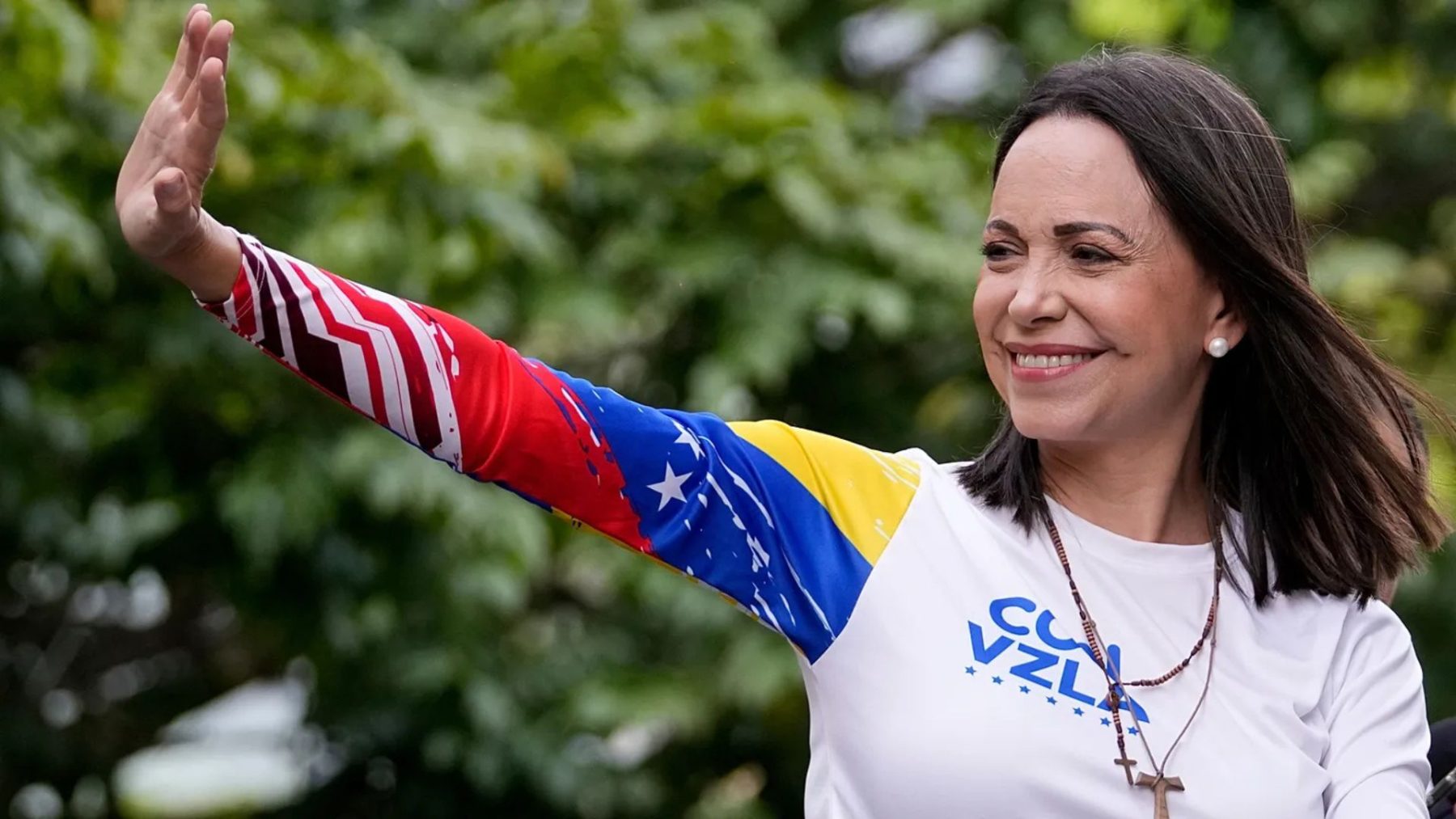
For Machado, the stakes are equally high. Her disqualification has galvanized supporters who see the election as illegitimate, while her refusal to endorse alternative candidates—such as Edmundo González Urrutia, who won the opposition’s second-place vote—has left the opposition’s strategy in flux. Analysts, including those at the International Crisis Group, warn that without a credible path to dialogue, Venezuela risks further polarization and potential violence ahead of the vote.
How Has the International Community Reacted?
The U.S. and EU have both expressed concern over Venezuela’s electoral process, with the U.S. State Department reiterating that “any election without the participation of all legitimate candidates is not credible.” The Organization of American States (OAS) has also called for Machado’s reinstatement, though its secretary-general, Luis Almagro, has faced criticism from Maduro’s government for perceived bias.
Meanwhile, Russia and China—key allies of Maduro—have largely remained silent on the issue, though their continued support for the Venezuelan government is seen as critical to its survival. Arias Cárdenas’s call for talks may also reflect a calculation that international pressure, combined with internal divisions, could force the government to reconsider its stance. However, with Maduro’s re-election widely expected—despite opposition claims of fraud in the July 28 vote—experts suggest that any meaningful dialogue would require concessions from both sides.
What Happens Next?
Delcy Rodríguez has not yet indicated whether she will engage in direct talks with Machado, though her office has historically emphasized that any negotiations must involve “legal and recognized” political actors. The next critical date is August 15, when the CNE is expected to finalize the list of presidential candidates. If Machado remains excluded, the opposition’s ability to mount a unified challenge to Maduro’s victory will be severely limited.
In the meantime, Arias Cárdenas’s call has reignited debates within the chavista movement about the future of Venezuela’s political strategy. Some analysts suggest that his intervention could signal a shift toward a more pragmatic approach, particularly if internal pressure mounts. However, with Maduro’s government showing little signs of flexibility, the prospects for meaningful dialogue remain uncertain.
For now, the focus remains on the electoral process. The U.S. has warned that any irregularities could lead to further sanctions, while the opposition continues to mobilize supporters ahead of potential post-election protests. As Arias Cárdenas’s statement gains traction, it may force both sides to confront a simple question: Is there still room for negotiation, or is Venezuela heading toward another cycle of confrontation?
Key Takeaways
- Chavista Split: Francisco Arias Cárdenas, a former minister and Chávez ally, has publicly urged Delcy Rodríguez to negotiate directly with María Corina Machado, signaling growing divisions within the ruling party.
- Opposition Barred: Machado remains disqualified from Venezuela’s July 28 presidential election, a decision upheld by the Supreme Court, despite widespread international condemnation.
- International Pressure: The U.S., EU, and OAS have called for Machado’s reinstatement, while Russia and China have remained silent, leaving Maduro’s government with limited incentives to compromise.
- Next Steps: The CNE’s final candidate list is due August 15, with the opposition warning of further unrest if Machado is excluded. Arias Cárdenas’s call may force the government to reassess its stance, but Maduro’s re-election appears likely.
- Stakes High: Without a negotiated solution, Venezuela risks deeper polarization, potential violence, and further international isolation.
As the political clock ticks down, all eyes are on whether Arias Cárdenas’s intervention will spark a shift—or if Venezuela’s leaders are set to double down on their entrenched positions. What do you think: Could direct talks between Rodríguez and Machado still change the outcome, or is the election a foregone conclusion?
Maria Petrova is a senior editor covering Latin American geopolitics. She has reported extensively on Venezuela’s political crisis and its regional implications. Follow World Today Journal for updates on this developing story.
Related reading
- Vietnam’s Rare Earth Ambitions: Can Hanoi Break Its Dependence on China?
- Alina Fernández: The Rebel Daughter of Fidel Castro Who Never Wanted to Call Him “Dad
- Ebola Outbreak in DR Congo on Track to Surpass Historic West African Crisis (time.news)
- Remembering Hiroshi Okuda: The Visionary Toyota Leader Who Challenged Japan Inc. (newsdirectory3.com)