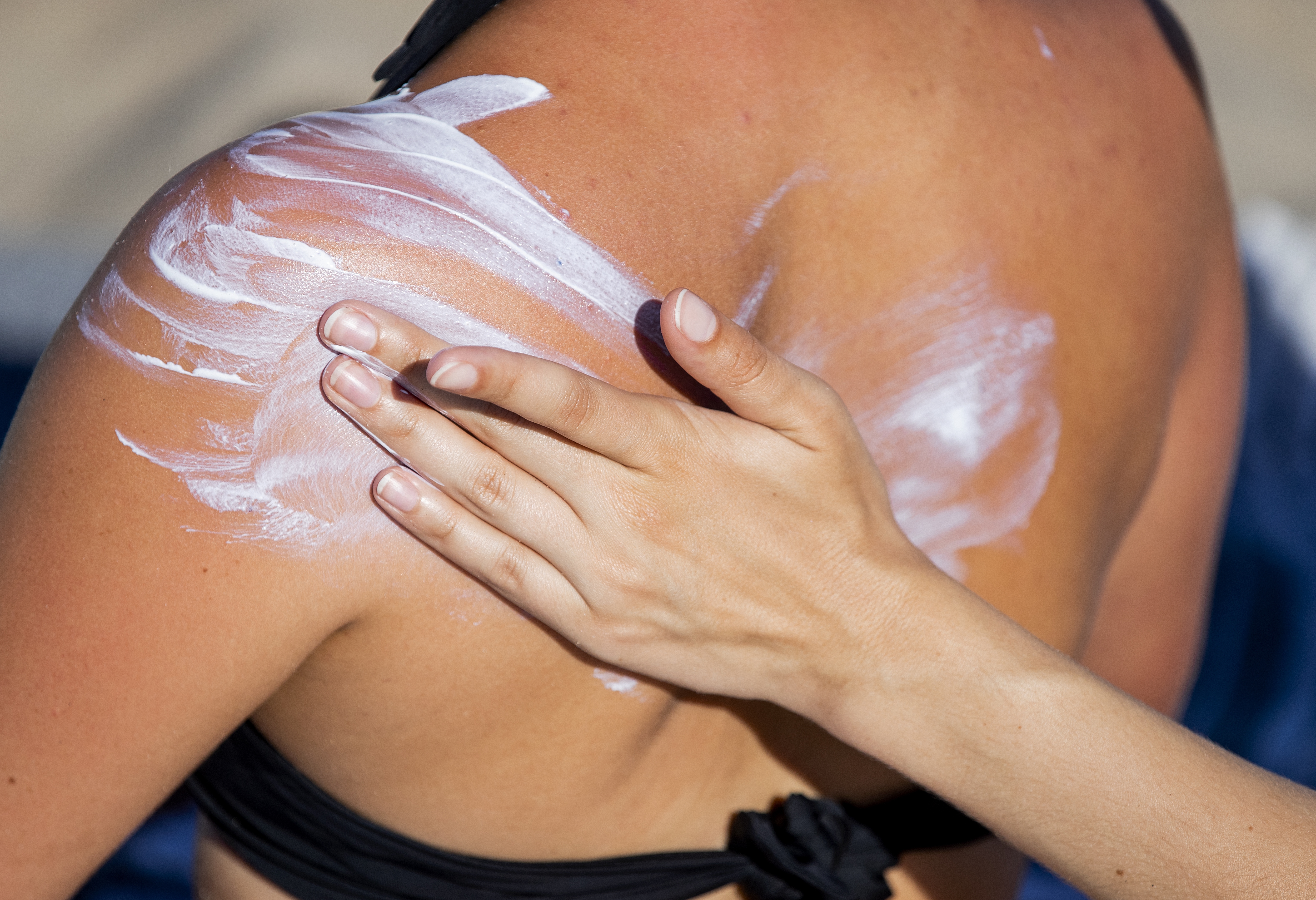
Medical experts are moving to debunk a growing volume of digital misinformation suggesting that sunscreen causes cancer, reiterating that ultraviolet (UV) radiation remains the primary environmental driver of skin malignancy. Dermatologists emphasize that the scientific consensus remains unchanged: the consistent use of broad-spectrum sunscreen is a critical public health tool for preventing melanoma and non-melanoma skin cancers.
As a physician and health journalist, I have observed that social media platforms have become primary vectors for health-related myths. While viral content on platforms like TikTok often prioritizes engagement over clinical accuracy, the medical evidence supporting the safety and efficacy of modern sunscreens is robust and well-documented by global health authorities.
The Scientific Consensus on Sunscreen Safety
The assertion that sunscreen ingredients are carcinogenic lacks support in peer-reviewed medical literature. According to the World Health Organization (WHO), UV radiation is a proven human carcinogen, and the regular application of sunscreen is a recommended primary prevention strategy. Regulatory bodies, including the U.S. Food and Drug Administration (FDA), continuously evaluate the safety profiles of active ingredients used in sunscreens to ensure they meet stringent protection standards.
Dermatologists argue that the risk of skipping sun protection—namely, DNA damage caused by UVA and UVB rays—far outweighs the unverified concerns regarding chemical absorption. When UV light penetrates the skin, it causes direct and indirect damage to cellular DNA. If these mutations are not repaired by the body’s natural mechanisms, they can lead to the uncontrolled cell growth characteristic of skin cancer.
Why Misinformation Gains Traction Online
Health misinformation often thrives online because it relies on fear-based narratives that are easily shareable. Algorithms on social media platforms prioritize high-engagement content, which frequently includes alarmist claims about “toxic chemicals” or “hidden ingredients.” Experts note that these claims often decontextualize chemical safety data, presenting potential risks in laboratory settings that do not translate to real-world human usage.
The American Cancer Society maintains that there is no credible evidence linking the approved active ingredients in sunscreens to cancer in humans. For patients concerned about specific ingredients, dermatologists recommend choosing physical (mineral) sunscreens containing zinc oxide or titanium dioxide, which sit on the surface of the skin rather than absorbing into the bloodstream.
How to Properly Protect Your Skin
Effective sun protection involves more than just applying a product once a day. Clinical guidelines suggest a multi-layered approach to minimize the risk of sun damage:
- Broad-Spectrum Protection: Use a product labeled “broad-spectrum” to ensure coverage against both UVA (aging) and UVB (burning) rays.
- Correct Application: Most people apply significantly less sunscreen than is required to achieve the labeled Sun Protection Factor (SPF). The standard recommendation is approximately two milligrams of sunscreen per square centimeter of skin.
- Regular Reapplication: Sunscreen should be reapplied every two hours, or immediately after swimming or excessive sweating.
- Behavioral Changes: Seek shade during peak UV hours—typically between 10 a.m. and 4 p.m.—and wear protective clothing, such as wide-brimmed hats and UV-blocking sunglasses.
Addressing the “Natural” Fallacy
A common theme in recent online discourse is the preference for “natural” alternatives over conventional sunscreen. However, medical professionals warn that there is no regulatory framework ensuring that “natural” oils or DIY sunblock recipes provide the necessary SPF protection. According to the American Academy of Dermatology (AAD), using products that have not been clinically tested for UV-blocking efficacy leaves the skin vulnerable to irreversible solar damage.

The goal of dermatological care is to reduce the incidence of skin cancer, which remains one of the most common forms of malignancy globally. As we approach the summer months and increased UV exposure, the focus should remain on evidence-based prevention. For those seeking the latest updates on skin health and product safety, the American Academy of Dermatology provides public resources that are updated based on the latest clinical research.
The next major review of sunscreen ingredient safety by international regulatory agencies is expected to continue throughout the coming year as part of ongoing efforts to update public health guidelines. Readers are encouraged to consult with a board-certified dermatologist regarding specific concerns about their skin type or individual risk factors.
What has been your experience with finding reliable sun safety information? Please share your thoughts or questions in the comments below.
Keep reading