
Pope Francis to Convene Extraordinary Consistory with Cardinals on June 26-27
Pope Francis will convene an extraordinary consistory with the College of Cardinals on June 26 and 27 to engage in prayer, group work, and debate regarding major contemporary global issues. The meeting is designed to facilitate direct dialogue between the Pontiff and senior Church leaders, focusing on addressing modern challenges through a more diverse and geographically inclusive leadership structure.
The two-day gathering, scheduled for late June, marks a departure from purely liturgical consistories. According to reports from Vatican News, the program emphasizes active participation through “lavori di gruppo” (group work) and structured questioning. This format allows the College of Cardinals to move beyond ceremonial duties and participate in a substantive debate regarding the direction of the Catholic Church in a rapidly changing geopolitical environment.
The upcoming sessions aim to bridge the gap between the central administration of the Holy See and the diverse realities of the global faithful. By integrating prayer with collaborative problem-solving, the Vatican intends to create a space where senior prelates can discuss the ethical, social, and political tensions currently impacting religious communities worldwide.
How the June 26-27 Consistory Will Function
The structure of the extraordinary consistory is built around three primary pillars: prayer, questions, and collective deliberation. Unlike an ordinary consistory, which is typically used to formally announce the creation of new cardinals, this event focuses on the consultative role of the College of Cardinals. Reports from Avvenire indicate that the sessions will center on “the great questions of today,” suggesting a focus on the most pressing challenges facing the Church’s mission.
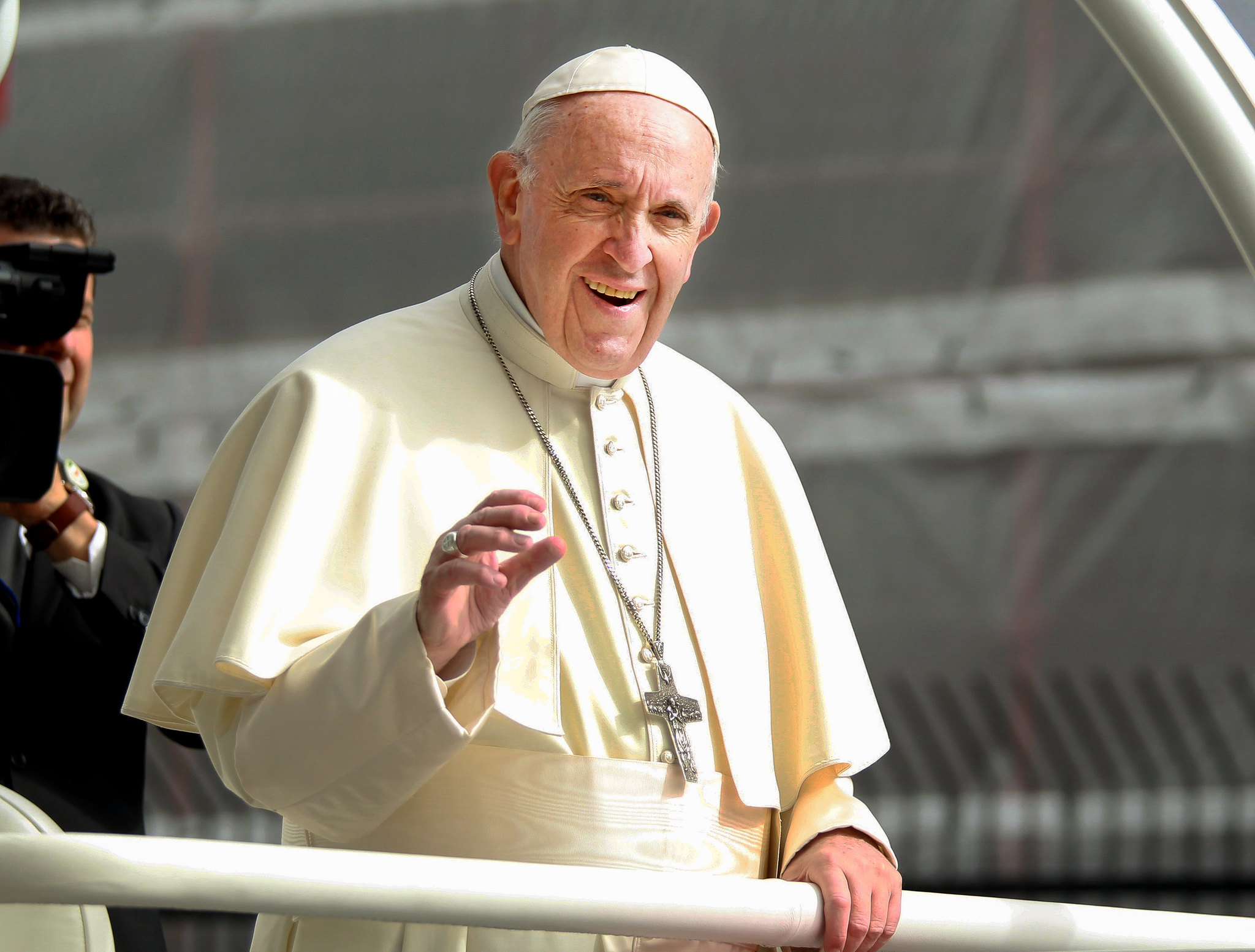
During the sessions, cardinals will engage in group work to analyze specific topics. This method of “working groups” is intended to foster a sense of shared responsibility and to encourage a wider range of perspectives from the Church’s leadership. The Pope will lead these discussions, using the dialogue to gather insights from the cardinals who serve as his primary advisors.
The participation of the cardinals in these debates is a critical component of the Vatican’s current emphasis on synodality—a process of listening and walking together within the Church. This approach seeks to decentralize decision-making and ensure that the leadership of the Church is not solely focused on European perspectives but reflects a truly global body.
Geopolitical Shifts in the College of Cardinals
A defining characteristic of the current papacy is the intentional restructuring of the College of Cardinals to reflect a more balanced geopolitical map. Analysis from Il Faro Online suggests that the appointment of new cardinals has increasingly focused on “new pastors from the peripheries of the world.” This strategy aims to elevate voices from the Global South, including significant representation from Africa, Asia, and Latin America.

This shift in leadership composition has significant implications for the future of the Church. By bringing in leaders from historically underrepresented regions, the Pope is reshaping the body that will eventually elect the next successor to the Chair of Saint Peter. The inclusion of “peripheral” voices ensures that the Church’s governance is informed by the lived experiences of communities facing unique socioeconomic and political challenges.
The current trajectory of cardinal appointments indicates a move away from the Eurocentric dominance that characterized the College for much of the 20th century. This diversification is not merely symbolic; it is a strategic effort to align the Church’s administrative and advisory capabilities with its demographic reality, where the majority of the world’s Catholic population now resides outside of Europe.
The Difference Between Ordinary and Extraordinary Consistories
To understand the significance of the June 26-27 meeting, it is necessary to distinguish between the two primary types of consistories held by the Pope. While both involve the College of Cardinals, their objectives and formats differ substantially.
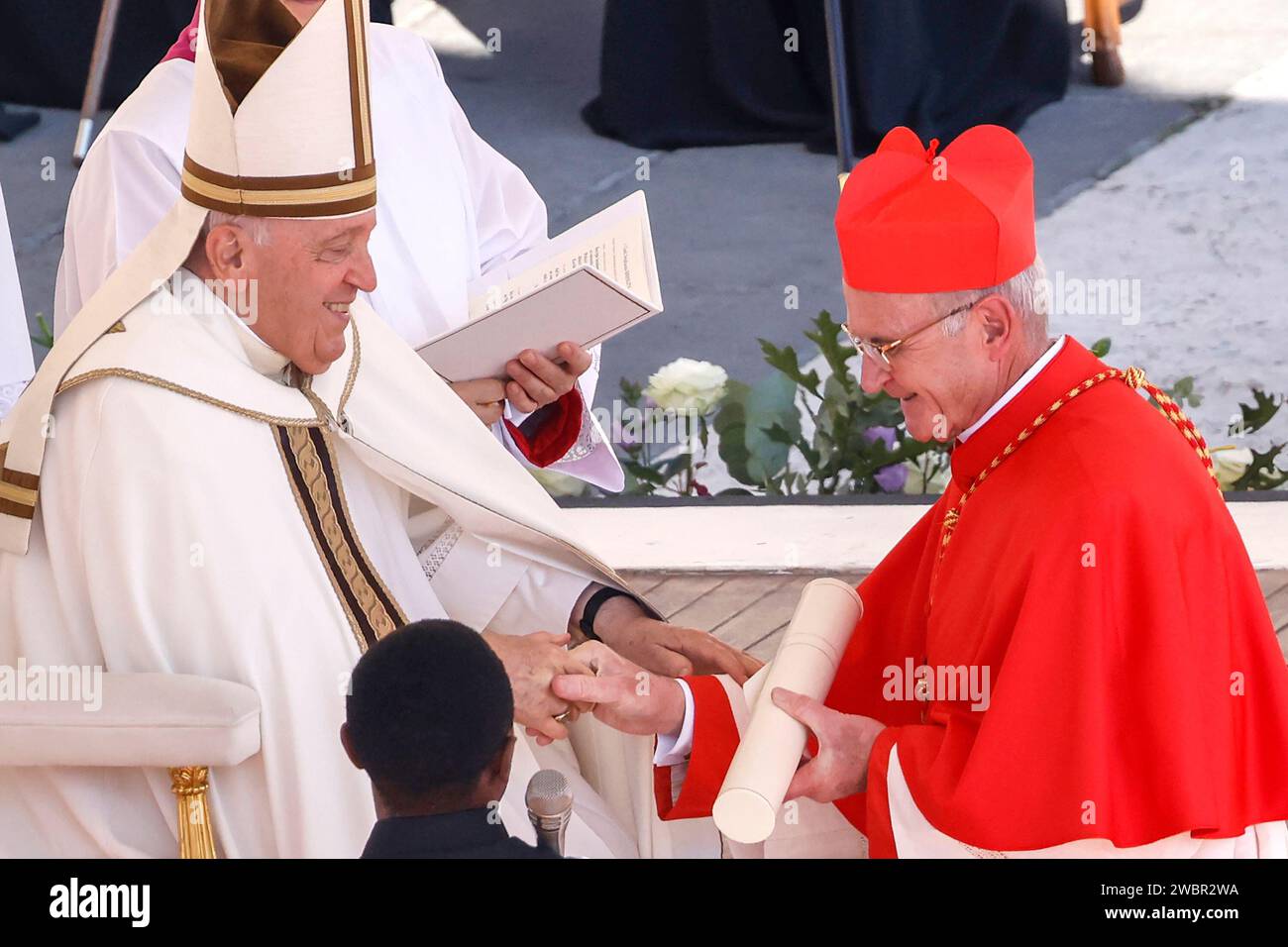
- Ordinary Consistory: These are primarily ceremonial and liturgical. They are most commonly used for the formal appointment of new cardinals, where the Pope assigns them their titles and mandates.
- Extraordinary Consistory: These are called for specific, urgent, or significant matters. They are characterized by a more intensive focus on dialogue, debate, and consultation on particular themes or issues facing the Church.
The upcoming meeting falls into the latter category. By calling an extraordinary consistory, the Pope is signaling that the topics at hand require more than just formal ritual; they require the intellectual and spiritual engagement of the entire College. This distinction highlights the importance of the “great questions” mentioned in recent Vatican reports.
Summary of the June Consistory Program
The following table outlines the expected components of the upcoming two-day event:
| Feature | Description |
|---|---|
| Primary Dates | June 26–27 |
| Core Activities | Prayer, question-and-answer sessions, and group work. |
| Main Objective | Dialogue on contemporary global and ecclesiastical issues. |
| Strategic Focus | Increasing representation from the “peripheries” of the world. |
The next official update regarding the specific agenda items or the detailed outcomes of these sessions is expected through the official channels of the Vatican Press Office. Updates on the progress of the College of Cardinals’ reorganization are typically released following major ecclesiastical gatherings.
For more updates on global affairs and Vatican developments, please share this article and join the conversation in the comments below.