
Warsaw Mayor Rafał Trzaskowski has announced he is referring allegations of systemic medical negligence and patient deaths at Szpital Południowy to the prosecutor’s office. The decision follows testimony from a whistleblower, a former head of the hospital’s Emergency Department (SOR), who claims that critical failures in care have led to preventable fatalities.
The allegations, which center on the functional capacity of the hospital’s emergency services, suggest that the facility is unable to meet basic safety standards for urgent medical intervention. The Mayor’s office indicated that the referral is intended to trigger a formal criminal investigation into whether administrative misconduct or criminal negligence occurred within the institution.
What are the specific allegations made against Szpital Południowy?
The former head of the Emergency Department, acting as a whistleblower, has provided accounts of what he describes as a “defective” SOR environment. According to reports from Polish news outlets including Fakt and Onet, the physician alleges that the department suffers from chronic mismanagement, inadequate staffing, and a lack of essential resources required to stabilize patients in critical condition.
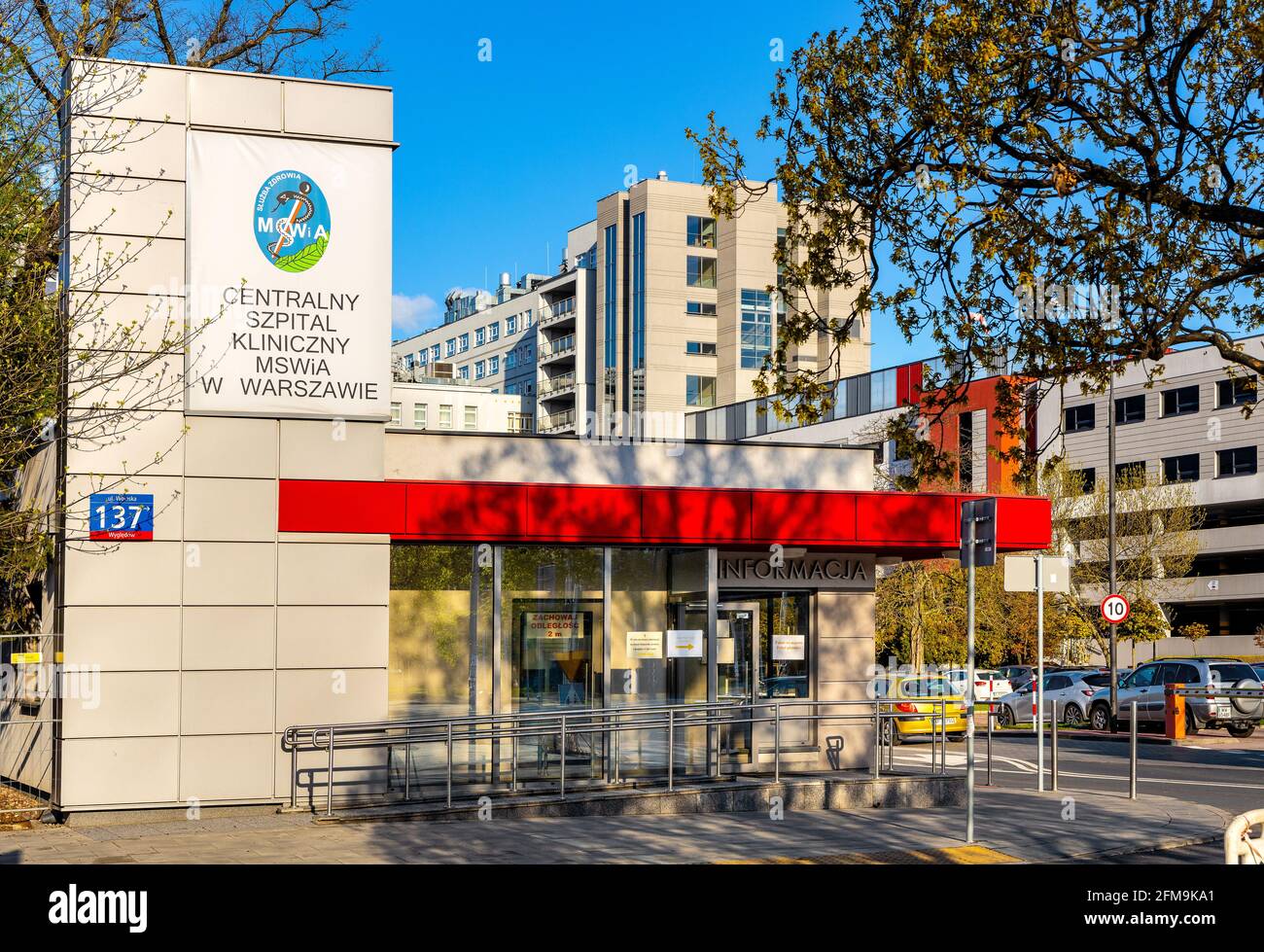
The whistleblower’s testimony specifically links these operational failures to the deaths of multiple patients. He claims that the current state of the emergency room prevents medical staff from performing life-saving procedures in a timely or effective manner. These claims suggest that the hospital’s ability to manage acute medical crises has been compromised, creating a high-risk environment for the Warsaw population.
While the specific medical records of the deceased patients remain part of the confidential investigation, the whistleblower has asserted that the pattern of mortality is not coincidental but a direct result of the facility’s structural and operational deficiencies. The allegations suggest that the hospital’s leadership has failed to address known gaps in emergency care protocols.
How is the Warsaw city government responding to the crisis?
Mayor Rafał Trzaskowski has taken a decisive stance by involving the judicial system. By referring the case to the prosecutor’s office, the city government is moving beyond administrative oversight and into the realm of criminal inquiry. The primary objective of this action is to determine if the hospital’s management is legally liable for the alleged failures in patient care.

The Mayor’s office has emphasized that the safety of Warsaw residents is the administration’s highest priority. Trzaskowski’s decision to escalate the matter suggests that the city views the whistleblower’s claims as sufficiently credible to warrant a state-level investigation. The prosecutor’s office will now be tasked with reviewing hospital logs, staffing records, and medical outcomes to verify the whistleblower’s assertions.
In addition to the criminal referral, the city is expected to review the administrative management of Szpital Południowy. This may include audits of how emergency funds are allocated and whether the hospital has complied with national healthcare standards for Emergency Departments. The investigation aims to identify whether the issues are caused by a lack of funding or by specific failures in leadership and oversight.
Why is the whistleblower doctor facing counter-allegations?
The controversy has expanded beyond medical malpractice to include questions regarding the whistleblower’s personal integrity and motives. Several reports have surfaced concerning the physician’s financial status, with some critics labeling him a “millionaire doctor.” These claims are being used by opponents to question whether his allegations are motivated by personal grievances or financial interests rather than a commitment to patient safety.
The tension between the whistleblower’s medical claims and the scrutiny of his personal wealth has created a polarized narrative in the Polish media. While the physician maintains that his actions are a matter of professional ethics and public safety, critics argue that his financial standing and previous professional conduct must be examined to ensure the allegations are not part of a personal or political agenda.
The investigation by the prosecutor’s office is expected to address both the medical negligence claims and the veracity of the whistleblower’s testimony. Legal experts note that in high-profile whistleblower cases, the credibility of the individual often becomes a central point of contention, potentially complicating the pursuit of the core medical facts.
How have Polish politicians reacted to the scandal?
The situation at Szpital Południowy has triggered significant political debate across the Polish political spectrum. Figures such as Sławomir Mentzen have commented on the situation, reflecting a broader national conversation regarding the accountability of public institutions and the handling of whistleblowers. The debate has touched on themes of government transparency, the efficiency of municipal healthcare, and the rights of medical professionals to report misconduct.
For some political factions, the scandal serves as a critique of the current administration’s management of Warsaw’s public services. For others, the focus remains on the necessity of protecting medical professionals who risk their careers to expose systemic dangers. The political response highlights the deep divisions in how the public and policymakers view the intersection of healthcare management and political accountability.
The case has also become a touchstone for discussions on the legal protections afforded to whistleblowers in Poland. As the investigation proceeds, the outcome will likely influence future legislative and administrative approaches to medical reporting and institutional oversight in the European Union.
Key Takeaways from the Szpital Południowy Investigation
- Whistleblower Claims: A former department head alleges that the hospital’s Emergency Department (SOR) is dysfunctional, leading to patient deaths.
- Legal Action: Warsaw Mayor Rafał Trzaskowski has officially referred the matter to the prosecutor’s office for criminal investigation.
- Core Issues: The allegations focus on inadequate staffing, resource mismanagement, and systemic medical negligence.
- Counter-Controversy: The whistleblower’s personal finances and wealth are being scrutinized by critics to challenge his motives.
- Political Impact: The case has sparked a national debate on healthcare accountability and the reliability of medical whistleblowers.
What happens next in the investigation?
The next critical checkpoint in this case is the formal commencement of the prosecutorial inquiry. The prosecutor’s office will begin by gathering documentary evidence, including hospital admission records, staffing schedules, and internal communications from Szpital Południowy. This phase is expected to determine if there is sufficient evidence to bring formal charges against hospital administrators or specific medical staff.
Public attention will remain focused on whether the investigation uncovers a direct link between the hospital’s administrative decisions and the reported patient fatalities. Further updates are expected following the initial findings of the prosecutor’s preliminary review.
Do you have thoughts on the accountability of public healthcare institutions? Share this article and join the conversation in the comments below.
Keep reading