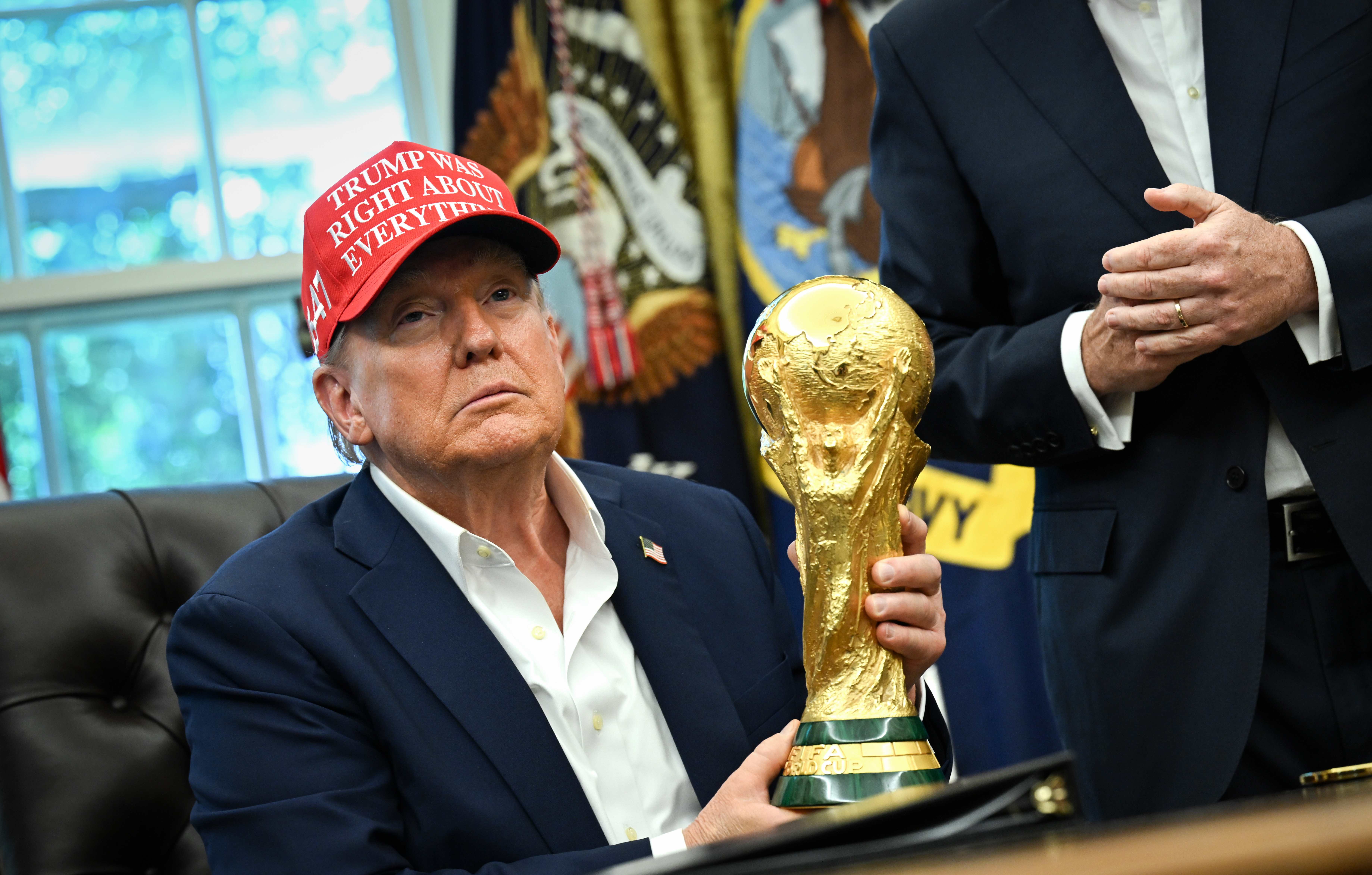
As the United States prepares to co-host the 2026 FIFA World Cup alongside Canada and Mexico, Google search data indicates a significant rise in Americans seeking to understand the fundamental rules and terminology of soccer. New spectators are primarily searching for explanations of the offside rule, the scoring system, and how the sport differs from American football.
The surge in interest follows the official announcement by FIFA regarding the expansion of the tournament. According to FIFA, the 2026 edition will feature 48 teams, a significant increase from the 32-team format used in previous tournaments. This expansion is expected to drive higher domestic viewership and engagement as the event approaches.
The search trends highlight a growing curiosity among a demographic that has traditionally leaned toward gridiron football, basketball, and baseball. As the tournament moves closer, the focus of these searches has shifted from general interest to specific technical queries regarding gameplay and officiating.
Why are Americans searching for soccer rules now?
The timing of the increased search volume aligns with the lead-up to the 2026 FIFA World Cup. With the tournament being hosted on North American soil, sports analysts expect a massive influx of casual fans. Data from various search engine analytics suggests that the “learning curve” for soccer is a primary barrier for new American viewers.
A significant portion of these queries focuses on the mechanics of the game. For example, the “offside rule” remains one of the most searched terms. Unlike many American sports where movement is measured in yards and set plays, soccer relies on the continuous positioning of players relative to the ball and the last defender. This nuance often confuses viewers accustomed to the structured stops and starts of the NFL.
Additionally, searches regarding refereeing decisions, such as yellow and red cards, have increased. Understandings of “fouls” and “set pieces”—including corner kicks, free kicks, and penalty kicks—are essential for viewers to follow the flow of a match. Without a grasp of these mechanics, the continuous nature of soccer can appear aimless to the uninitiated.
How does soccer differ from American football?
The distinction between soccer (often called “football” globally) and American football is a primary driver of search interest. While both sports share a name in different parts of the world, their structures are fundamentally different. The following comparison highlights the core differences identified in recent search trends.
| Feature | Soccer (Association Football) | American Football |
|---|---|---|
| Scoring | Goals (1 point each) | Touchdowns (6), Field Goals (3), Safeties (2) |
| Game Flow | Continuous play with minimal stops | Stop-and-start play based on downs |
| Equipment | Minimal (shin guards, cleats) | Extensive (helmets, pads, specialized gear) |
| Player Interaction | Limited contact; hands prohibited (except goalie) | High-impact physical contact is central |
| Timing | Two 45-minute halves plus stoppage time | Four 15-minute quarters with a play clock |
According to sports educators, the “flow” of soccer is its most defining characteristic. While American football is a game of territory and incremental gains measured in yards, soccer is a game of spatial management and continuous movement. This lack of a “play clock” or frequent timeouts means that momentum in soccer is often more fluid and harder to interrupt.
What are the most common soccer rules newcomers ask about?
To assist new viewers, it is necessary to break down the complex rules that frequently appear in search queries. Understanding these three pillars can help a spectator follow most professional matches.

The Offside Rule
The offside rule is designed to prevent “goal hanging,” where an attacking player waits near the opponent’s goal to receive a long pass. A player is in an offside position if any part of their head, body, or feet is in the opponents’ half and is nearer to the opponents’ goal line than both the ball and the second-to-last opponent. Being in an offside position is not an offense in itself; the offense occurs when the player becomes involved in active play.
Fouls and Misconduct
Referees use a system of cards to maintain order. A yellow card serves as a formal warning for unsporting behavior or repeated fouls. A red card results in immediate ejection from the match, and the player’s team must continue the game with one fewer player. Common fouls include tripping, pushing, or handling the ball (unless the player is a goalkeeper within their own penalty area).
The Concept of “Stoppage Time”
Unlike American sports, where the clock stops for every whistle, soccer uses a continuous clock. To account for time lost due to injuries, substitutions, or goal celebrations, the referee adds “stoppage time” (or injury time) to the end of each 45-minute half. This time is not fixed and is determined by the referee based on the events of the half.
Understanding the 2026 FIFA World Cup expansion
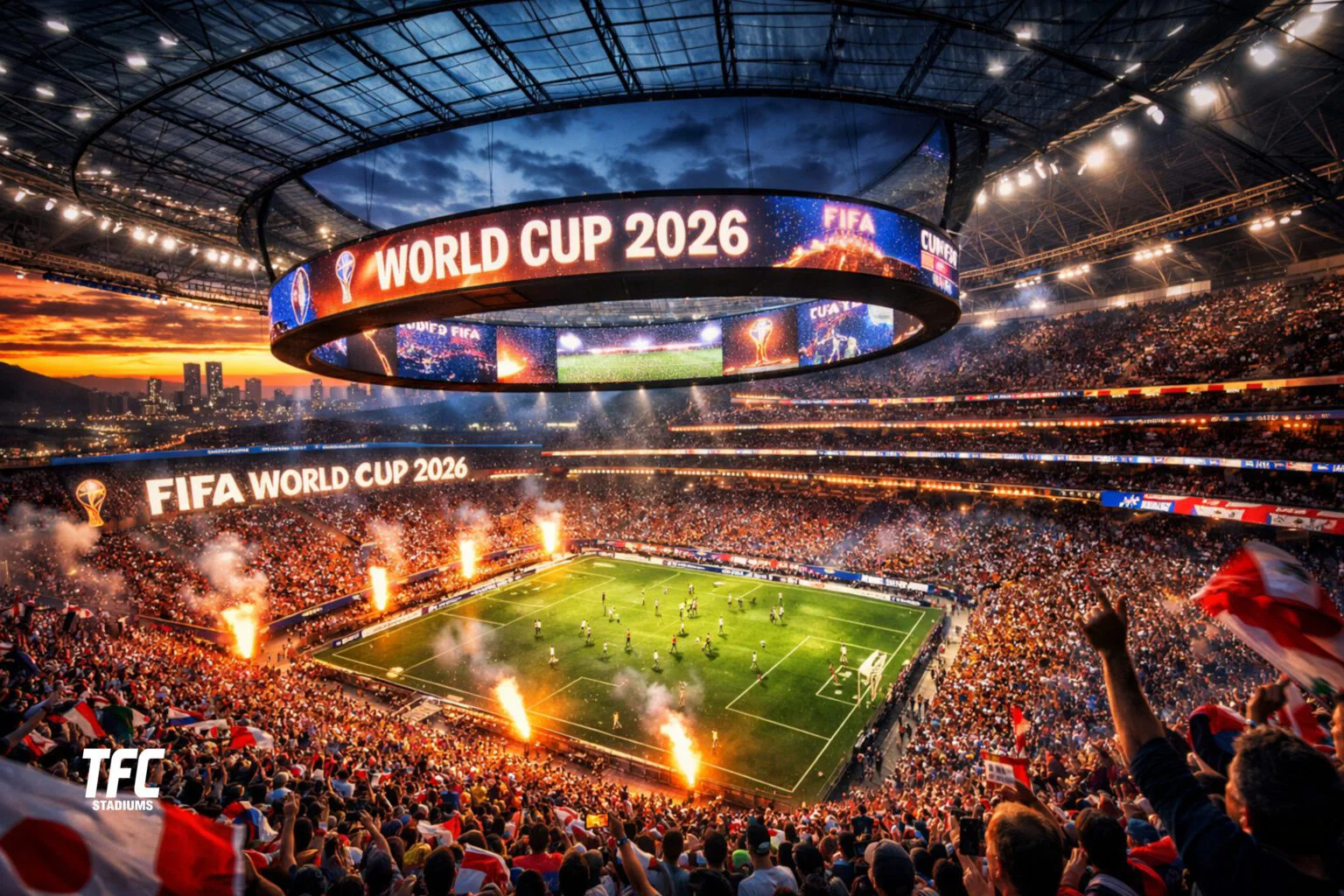
The upcoming tournament represents a seismic shift in the scale of international soccer. FIFA has confirmed that the 2026 World Cup will be the first to feature 48 participating nations. This increase from 32 to 48 teams means the total number of matches will rise from 64 to 104.
The tournament will be spread across 16 host cities in the United States, Canada, and Mexico. This geographic spread is intended to maximize the reach of the sport across North America. Major venues include MetLife Stadium in New Jersey, Azteca Stadium in Mexico City, and BMO Field in Toronto, among others.
For fans, this expansion means more opportunities to see diverse playing styles and a wider array of nations competing on the world stage. However, it also presents logistical challenges regarding travel and scheduling that organizers are currently addressing.
Key soccer terminology for beginners
Search trends indicate that Americans often struggle with the specific vocabulary used in soccer. Using the correct terms can improve the viewing experience and facilitate better communication with existing fans.
- Pitch: The field of play. While Americans commonly say “field,” the international standard is “pitch.”
- Kit: The uniform worn by the players, including the jersey, shorts, and socks.
- Boots: The specialized footwear (cleats) used by players.
- Clean Sheet: A term used when a goalkeeper and their team prevent the opponent from scoring any goals during a match.
- Set Piece: A restart of play, such as a corner kick, free kick, or throw-in, which is strategically planned.
- Derby: A match played between two local rivals, such as teams from the same city.
Frequently Asked Questions
How long does a soccer match last?
A standard professional match consists of two 45-minute halves, totaling 90 minutes of regulation time. This is followed by “stoppage time” added by the referee to compensate for delays. In tournament knockout stages, if the score is tied, the match may proceed to 30 minutes of extra time and, if necessary, a penalty shootout.
Can players use their hands in soccer?
No. Except for the goalkeeper, who is permitted to use their hands and arms within their own designated penalty area, no player may intentionally touch the ball with their hands or arms. Touching the ball with the hand is considered a “handball” foul.
What is a penalty kick?
A penalty kick is awarded when a player commits a foul that would normally result in a direct free kick inside their own penalty area. The ball is placed on the penalty spot, 12 yards from the goal, and the player takes a one-on-one shot against the goalkeeper.
How many players are on a team?
Each team has 11 players on the field at one time, including one goalkeeper. A match cannot continue if either team has fewer than seven players due to red cards or injuries.
As the qualifying rounds for the 2026 World Cup progress, FIFA is expected to release further details regarding match schedules and official ticketing procedures. Fans should monitor official FIFA communications for updates on tournament logistics and venue information.
What are your thoughts on the upcoming World Cup in North America? Do you think the expansion to 48 teams is a positive move for the sport? Let us know in the comments below and share this article with anyone getting ready for their first soccer match!
Related reading
- Penn State Study Finds Stroller Running Lowers Parent Injury Rates
- US Aircraft Carrier Shortage: The Massive Upgrades Bringing This Nuclear Warship Back
- Dawn of War 4 Release Date Delayed: What to Expect from the Refining Process – Warhammer 40k Strategy Game Update” “Dawn of War 4 Launch Delayed: How the Game’s Delay Will Affect Fans – Warhammer 40k Strategy Game News” “Warhammer 40k Strategy Game Dawn of War 4 Delayed to Refine Experience Ahead of Release – Gaming News Update” “Dawn of War 4 Delayed: What the Delay Means for the Upcoming Warhammer 40k Game – Strategy Game Release News (archyworldys.com)