
U.S. Secretary of Commerce Gina Raimondo has signaled that the Biden administration may impose further restrictions on Chinese-made robotics and autonomous systems, citing national security concerns regarding data privacy and infrastructure integrity. This potential policy shift follows a series of high-level discussions between the Department of Commerce and leaders from major industrial technology firms, including Rockwell Automation, aimed at bolstering domestic manufacturing capabilities in semiconductors and advanced robotics.
The administration’s focus on the robotics sector marks a significant expansion of existing efforts to decouple critical supply chains from reliance on Chinese technology. While the U.S. has already implemented sweeping export controls on advanced semiconductors through the Bureau of Industry and Security (BIS), officials are increasingly concerned that autonomous robots—which rely on sophisticated sensors, cameras, and connectivity—could serve as conduits for foreign intelligence gathering or be susceptible to remote interference.
The Rationale Behind New Regulatory Scrutiny
The push for stricter oversight is rooted in the broader U.S. strategy to secure the “industrial internet of things” (IIoT). According to the U.S. Department of Commerce, the integration of foreign-made software and hardware into American factories creates vulnerabilities that could be exploited by state-affiliated actors. Secretary Raimondo has emphasized that the goal is not a complete trade embargo, but rather a “de-risking” strategy that ensures critical infrastructure remains free from potential foreign surveillance.

Industry leaders, including those from firms like Rockwell Automation, have been in active dialogue with the Commerce Department to navigate these potential shifts. These companies are currently balancing the need for cost-efficient global supply chains with the increasing pressure to comply with Executive Order 14032, which restricts investment in entities that support the Chinese military-industrial complex. The discussions focus on how to transition manufacturing back to the U.S. or allied nations without disrupting current industrial output.
Impact on the Global Robotics Supply Chain
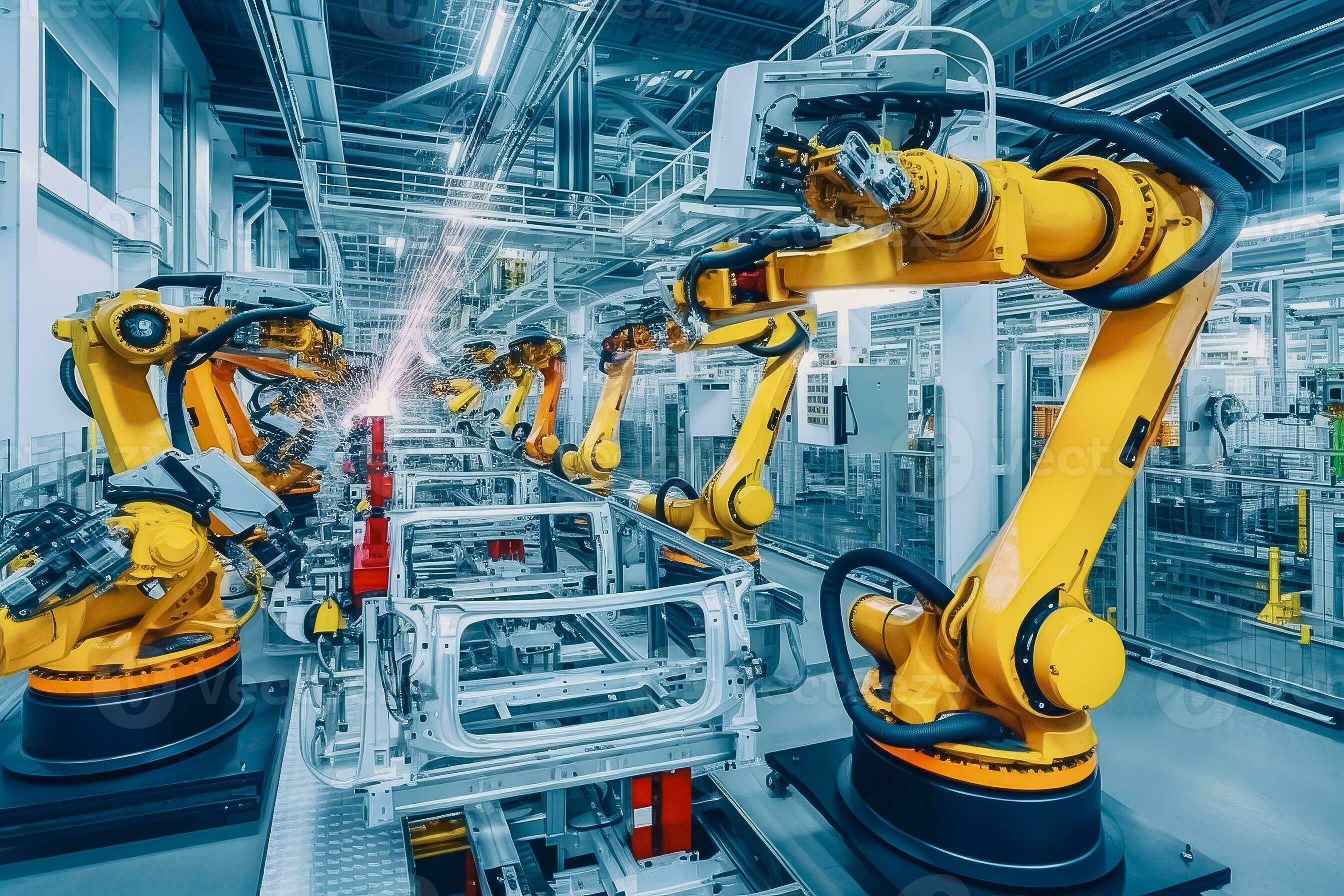
The robotics industry is highly globalized, with many Western firms relying on components manufactured in China to maintain competitive pricing. If the Commerce Department moves forward with specific sanctions on robotics, the financial impact could be substantial. Data from the International Federation of Robotics indicates that industrial robot installations reached record highs globally in recent years, with China serving as both a primary manufacturer and the largest consumer of these systems.
Analysts note that a move to restrict Chinese robotics would force companies to rapidly reconfigure their supply chains. This process is expected to be costly and time-consuming, requiring significant capital investment in domestic facilities. The CHIPS and Science Act, which provides funding for semiconductor research and manufacturing, is often cited by the administration as the blueprint for how the government intends to support these private-sector transitions, though similar dedicated funding for the robotics sector remains less defined.
What Happens Next for Manufacturers
Regulatory developments in this space are fluid, and the business community is currently awaiting formal rulemaking from the Department of Commerce. Companies that utilize Chinese-made robotics are advised to conduct internal audits of their supply chains to identify hardware and software dependencies that could be subject to future restricted entity lists or import bans.
The next major checkpoint will likely involve a series of public comment periods if the Department of Commerce issues a formal Notice of Proposed Rulemaking (NPRM) regarding “connected” or autonomous industrial equipment. Such a notice would provide the legal framework for how and when any potential sanctions would take effect. Stakeholders are encouraged to monitor the Federal Register for official announcements, which serve as the definitive source for regulatory timelines and compliance requirements.
As the administration continues its review, the tension between maintaining technological competitiveness and ensuring national security remains a central theme in U.S. economic policy. Readers interested in following these developments are encouraged to share this report and engage in the conversation below regarding the future of industrial autonomy.
Worth a look