US Public Sentiment Shifts as Support for Middle East Military Conflict Hits Lows
Only 24% of Americans believe a potential war with Iran would be “worth it,” according to recent polling data, as public opposition to military intervention in the Middle East reaches a significant threshold. This shift comes amid declining approval ratings for former President Donald Trump, as voters express growing concerns regarding the long-term stability of regional peace and the economic costs of foreign conflicts.
The data suggests a significant disconnect between traditional interventionist foreign policy and current voter sentiment. While geopolitical tensions in the Middle East continue to escalate, a vast majority of the American public appears increasingly reluctant to support direct military involvement. This trend reflects a broader pattern of “war fatigue” that has become a defining characteristic of the current American political landscape.
Why is American support for Middle East military intervention declining?
The primary driver for declining support appears to be a cost-benefit analysis conducted by the American electorate. According to recent reports on public sentiment, approximately 78% of U.S. respondents believe that entering a conflict in the region would result in more harm than good. This figure stands in stark contrast to the 24% of the population that views a military confrontation as a justifiable or worthwhile endeavor.
Public concern is not limited to the immediate costs of combat. Beyond the human and financial toll, there is a pervasive sense of skepticism regarding the durability of any resulting stability. More than 60% of Americans expressed concern that even if a conflict were resolved or a ceasefire reached, lasting peace in the Middle East remains unlikely. This skepticism suggests that voters are increasingly wary of “forever wars” that require indefinite American presence and resources.
The economic implications also weigh heavily on public opinion. As domestic issues such as inflation and infrastructure remain at the forefront of the political discourse, the prospect of diverting significant federal funds toward a foreign war carries high political risk. The sentiment that war is “not worth the price” is reflected in both the direct military costs and the opportunity costs of neglecting domestic priorities.
How is geopolitical tension affecting Donald Trump’s polling?
The shift in foreign policy sentiment is occurring alongside a notable dip in polling numbers for former President Donald Trump. While his “America First” platform was originally designed to appeal to voters wary of foreign entanglements, the current volatility in the Middle East has created a complex environment for his political standing. As the public’s appetite for conflict diminishes, the perceived risks of any administration’s foreign policy decisions are being scrutinized more heavily.
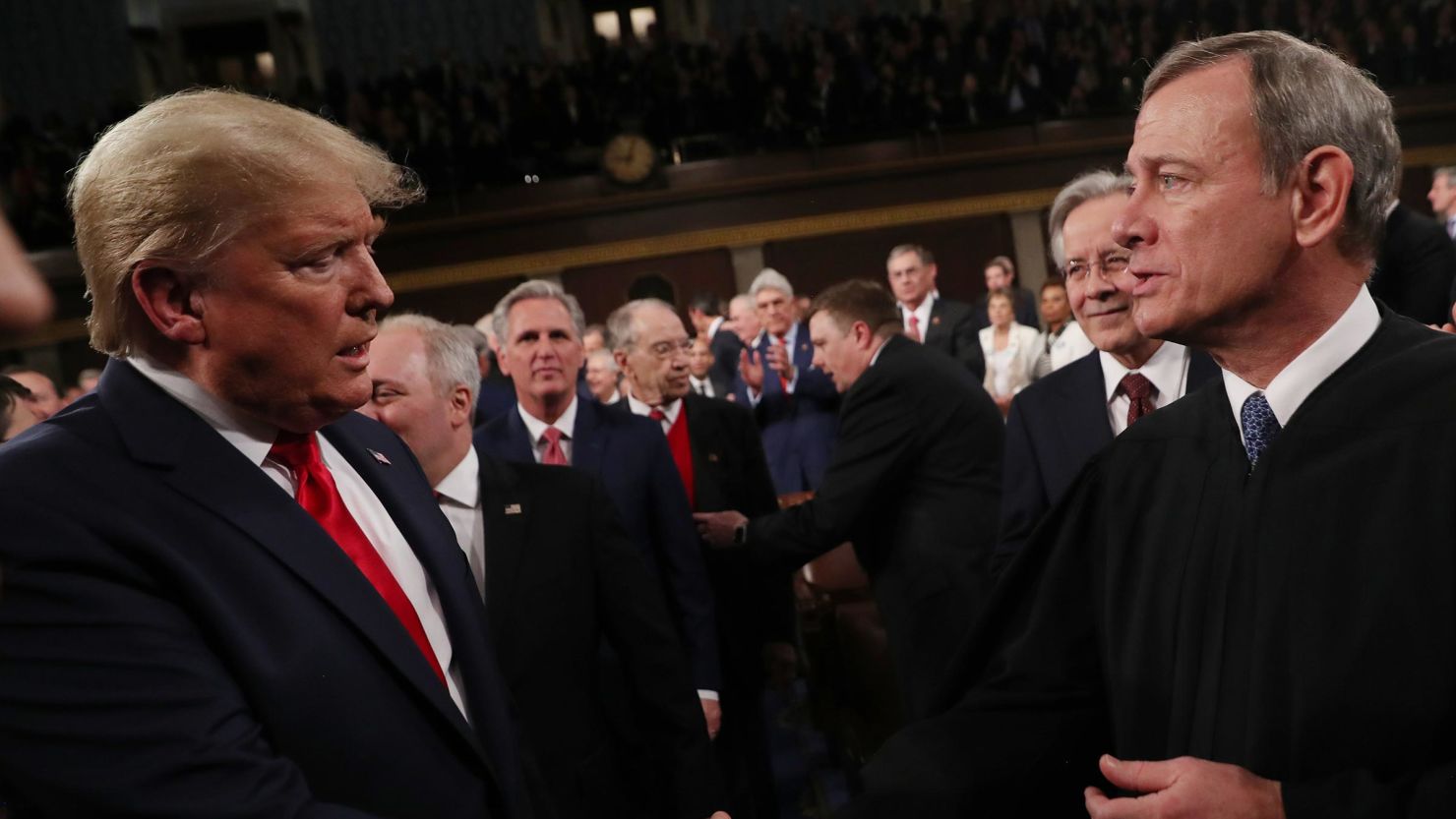
Political analysts note that the intersection of personality-driven politics and high-stakes geopolitics has made the electorate particularly sensitive to rhetoric regarding military action. For Trump, whose foreign policy has often been characterized by unpredictable shifts and direct confrontations with traditional allies and adversaries alike, the current climate of war fatigue presents a significant challenge. As polling shows his support hitting lower levels, the ability to navigate these international crises without alienating a peace-oriented electorate will be critical.
The relationship between a candidate’s perceived strength on the world stage and their domestic popularity is shifting. Previously, a “tough on terror” or “strong leader” persona was a reliable asset in American elections. However, current data suggests that voters are increasingly prioritizing conflict avoidance and diplomatic stability over aggressive posturing. This shift complicates the campaign strategies of both major political parties as they approach upcoming election cycles.
What solutions do Americans favor for regional stability?
Despite the high level of skepticism regarding military action, the American public has not entirely abandoned the idea of diplomatic resolution. There is a measurable preference for negotiated settlements over kinetic warfare. Specifically, more than half of Americans expressed support for a “preliminary peace agreement” to address the ongoing tensions in the Middle East.

This preference for diplomacy highlights a desire for a structured, predictable approach to international relations. Voters appear to favor a middle ground where American influence is used to facilitate dialogue rather than to lead military charges. The support for a preliminary agreement suggests that the electorate views incremental diplomacy as a lower-risk, higher-reward alternative to the binary choice of total peace or total war.
The following table compares the different levels of American sentiment regarding Middle East involvement based on recent polling trends:
| Sentiment Category | Percentage of Respondents | Core Perspective |
|---|---|---|
| Opposition to War | 78% | Believe conflict is more harmful than beneficial. |
| Support for Peace Accords | >50% | Favor preliminary diplomatic agreements. |
| Skepticism of Peace | >60% | Doubt that peace in the region can be sustained. |
| Pro-War Sentiment | 24% | Believe military action is “worth it.” |
This data underscores a deeply divided and cautious public. While there is a clear majority leaning toward de-escalation and diplomatic frameworks, there remains a significant minority that supports decisive military action. This divide ensures that foreign policy will remain one of the most contentious issues in the upcoming political debates.
The implications for future U.S. administration policy are profound. Any movement toward military engagement will face intense scrutiny from a public that is increasingly focused on the long-term stability and economic reality of such decisions. The demand for “preliminary agreements” indicates that the American public is looking for a way to manage global volatility without committing to the high costs of active combat.
Observers will be watching for any official shifts in Department of State or Department of Defense communications regarding Iran and Middle East stability. The next major checkpoint for these sentiments will be the release of upcoming quarterly economic reports and any scheduled diplomatic summits involving Middle Eastern leaders and U.S. officials.
What are your thoughts on the current trend of American war fatigue? Do you believe diplomacy can succeed where previous efforts have failed? Share your comments below and share this article to join the conversation.
Keep reading
- Two Gardaí Injured After Stolen Car Rams Police Vehicle During Stinger Operation
- Comment Policy and Community Guidelines | Correio da Manhã
- Goyang City Launches Public Vote for New Civil Administration Slogan (newsdirectory3.com)
- India and ASEAN Partner to Advance Digital Public Infrastructure and Economy (archynewsy.com)