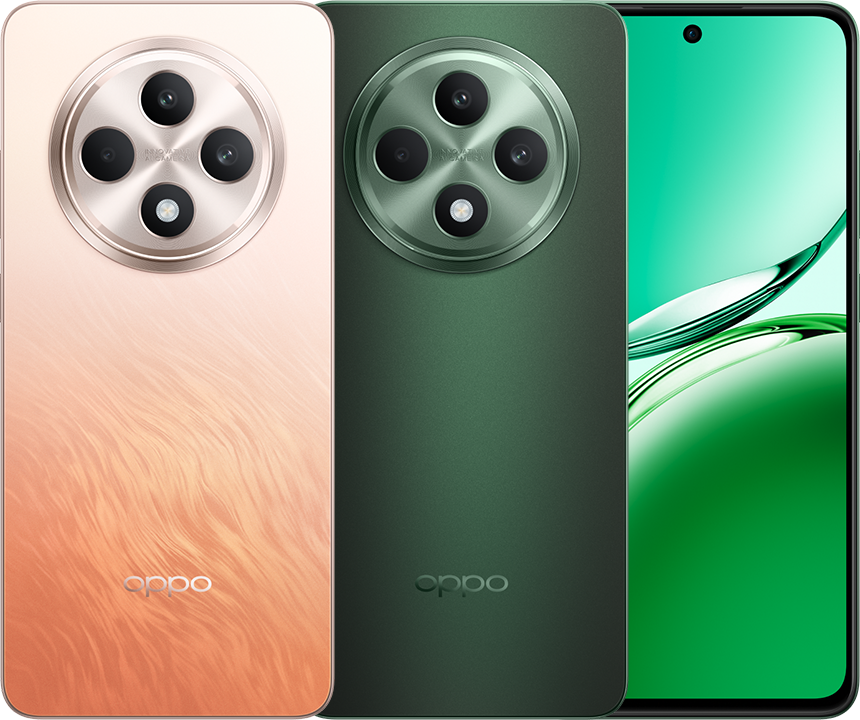
Owners of Oppo’s €1,699 flagship smartphone are reporting significant hardware defects involving moisture and condensation buildup behind the device’s camera lenses. These reports indicate a potential failure in the environmental sealing of the premium imaging module, directly impacting the device’s primary function as a high-end mobile photography tool.
The issue has surfaced among consumers who purchased the flagship model specifically for its advanced camera capabilities. Users have documented instances where fogging or water droplets appear within the lens housing, obscuring images and reducing clarity. This phenomenon typically occurs during rapid temperature shifts or in environments with high humidity, suggesting that the internal seals intended to protect the sensitive optical components may be insufficient.
The reported hardware flaw arrives at a critical time for Oppo as the company attempts to capture a larger share of the ultra-premium smartphone market. By pricing the device at €1,699, the manufacturer is positioning itself against established leaders in the mobile imaging space, promising a level of performance that can rival dedicated camera equipment.
Nature of the Lens Condensation Reports
Technical reports and consumer feedback suggest that the condensation is not a software-related glitch but a physical presence of moisture inside the lens assembly. When the temperature of the smartphone’s internal components changes rapidly—such as when the processor generates heat during intensive tasks—the temperature differential between the inside and outside of the lens housing can cause moisture to condense on the glass.
For a device marketed as a professional-grade camera replacement, this defect presents a fundamental problem. High-end mobile photography relies on the precision of light passing through multiple layers of glass and sensors. Any obstruction, even microscopic fogging, degrades the sharpness, contrast, and overall quality of the output. Consumers have expressed frustration that a device at this price point lacks the robust environmental resistance expected of a flagship product.
While many modern smartphones carry high IP (Ingress Protection) ratings for water and dust resistance, those ratings often focus on the body of the phone rather than the internal micro-environments of individual camera modules. The reported moisture suggests a breach in the vacuum or nitrogen-filled seals that are standard in high-end optical enclosures to prevent such occurrences.
Market Implications for the Ultra-Premium Segment
The €1,699 price tag places this Oppo device in a highly competitive tier of the global smartphone market. In this segment, consumers are not merely looking for utility; they are investing in specialized hardware. The emergence of widespread hardware reports can have several immediate consequences for the manufacturer:

- Brand Trust: For a brand looking to cement its reputation in the professional photography niche, hardware reliability is the most critical metric for long-term consumer trust.
- Resale Value: Hardware defects involving moisture often lead to long-term corrosion of internal components, which can significantly diminish the secondary market value of the device.
- Warranty and Logistics: If the issue is found to be a systemic manufacturing defect, the company may face significant costs related to mass repairs or device replacements.
Industry analysts note that the ultra-premium segment is particularly sensitive to quality control issues. Unlike the mid-range market, where consumers may overlook minor flaws for better value, the high-end buyer expects near-perfect hardware execution. A failure in the most advertised feature—the camera system—directly undermines the product’s value proposition.
Comparing Flagship Imaging Standards
The competition in the mobile imaging space is intense, with manufacturers competing on sensor size, lens coatings, and computational photography. When hardware reliability issues arise, they are frequently compared against the stability of competing flagship models. While other manufacturers have faced challenges with thermal management or battery longevity, the physical integrity of the optical path remains a benchmark for flagship excellence.
The current landscape of high-end mobile photography is defined by a race toward larger sensors and more complex lens arrays. As these arrays become more intricate, the difficulty of sealing them against environmental factors increases. The reported issue with the Oppo flagship highlights the engineering challenges inherent in miniaturizing professional-grade optical hardware for a mobile form factor.
Key Takeaways for Consumers
- Identify the Issue: Condensation is visible as fogging or blurring behind the camera glass, often appearing after temperature changes.
- Check Warranty Status: Because this appears to be a hardware-related defect, it should be covered under standard manufacturer warranties.
- Avoid DIY Fixes: Attempting to dry the lens through heat or opening the device will likely void the warranty and may cause further damage to the sensor.
- Document the Defect: Consumers are encouraged to take clear photos of the fogging to provide as evidence for service claims.
Frequently Asked Questions
Is the camera moisture a software problem?
No. Based on current reports, the moisture is a physical presence of condensation inside the lens module, which is a hardware-related issue rather than a bug in the operating system or camera app.

Will this affect the phone’s water resistance?
The presence of moisture inside the lens suggests that the seals for the camera module may be compromised. This could potentially impact the overall water resistance of the device, as the integrity of the internal environment is being questioned.
What should I do if my device shows condensation?
The most effective course of action is to contact the manufacturer or the authorized retailer for a professional inspection. Do not attempt to use heat sources like hair dryers to clear the moisture, as this can damage the delicate optical coatings or the sensor itself.
Oppo has not yet released an official statement regarding the extent of the reported moisture issues or whether a formal recall or service program will be implemented. The company is expected to address these reports as they continue to monitor consumer feedback and technical data.
Follow this story for updates on official manufacturer responses or service advisories.
Have you experienced hardware issues with your flagship smartphone? Share your experience in the comments below or share this article with your network.
Keep reading